
Dalam pengolahan bubuk, penggolong Roda pengayak merupakan komponen kunci untuk mengontrol distribusi ukuran partikel produk akhir. Kecepatan putaran roda pengayak secara langsung menentukan titik batas pemisahan partikel. Hal ini menjadikannya parameter kritis dalam pengolahan bubuk. Dalam artikel ini, kita akan membahas dampak kecepatan roda pengayak pada penggilingan bubuk dan masalah umum yang saat ini dihadapi di bidang ini.
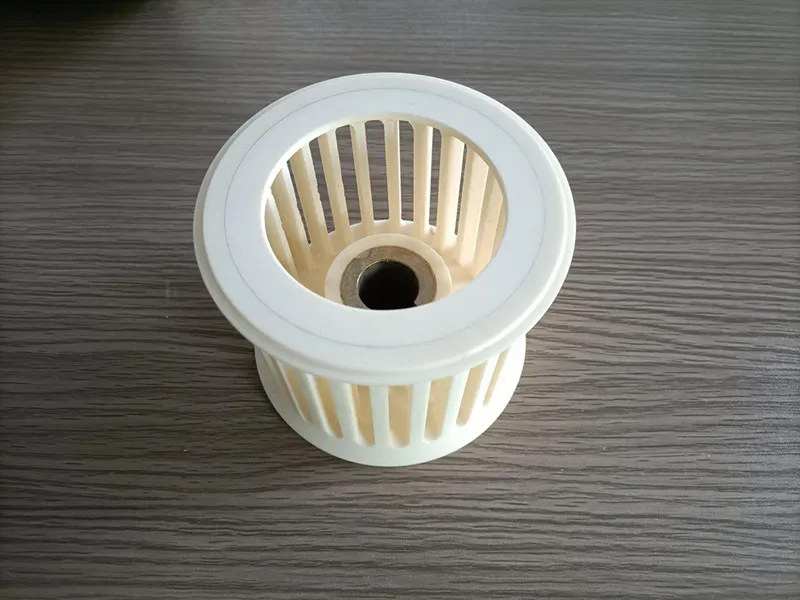
Prinsip Inti: Interaksi Antara Gaya Sentrifugal dan Gaya Aerodinamis
Untuk memahami pengaruh kecepatan putaran, seseorang harus terlebih dahulu memahami prinsip kerja roda pemisah. Pada dasarnya, ini adalah saringan sentrifugal berputar dengan kecepatan tinggi.
Ketika partikel bubuk memasuki zona klasifikasi yang terbawa oleh aliran udara, partikel tersebut dikenai dua gaya yang berlawanan: gaya ke dalam. gaya aerodinamis (Gaya tarik), yang berupaya menarik partikel ke bagian dalam roda pengklasifikasi agar menjadi produk jadi. Gaya sentrifugal ke luar, yang dihasilkan oleh putaran roda pengklasifikasi, yang berupaya melemparkan partikel kembali ke zona penggilingan untuk diproses lebih lanjut.
Kecepatan putaran adalah satu-satunya variabel yang mengatur dinamika ini. Meningkatkan kecepatan putaran menyebabkan gaya sentrifugal meningkat secara kuadratik; hanya partikel yang lebih kecil dan ringan yang dapat mengatasi gaya sentrifugal dan masuk ke pengumpul produk jadi. Menurunkan kecepatan putaran melemahkan gaya sentrifugal, menurunkan "ambang batas," sehingga partikel yang lebih kasar dapat melewatinya.
Tiga Faktor Kunci yang Mempengaruhi Kontrol Kecepatan Rotasi
1. Pengendalian Langsung terhadap Kehalusan Produk (Faktor Paling Penting)
Ketika roda pemisah berputar dengan kecepatan tinggi, ia menghasilkan gaya sentrifugal yang kuat, bertindak sebagai "saringan sentrifugal". Terdapat korelasi langsung antara kecepatan putaran dan kehalusan produk. Kecepatan putaran lebih tinggi = produk lebih halus: Semakin tinggi kecepatan putaran, semakin kuat gaya sentrifugal. Hanya partikel yang lebih kecil yang dapat mengatasi gaya sentrifugal yang kuat. Partikel-partikel tersebut melewati celah di antara bilah roda pemisah ke dalam sistem pengumpulan. Sementara partikel yang sedikit lebih besar terlempar kembali untuk melanjutkan penggilingan. Menurunkan kecepatan putaran = produk lebih kasar: Semakin rendah kecepatan putaran, semakin lemah gaya sentrifugal, dan ambang batas pemisahan menjadi kurang ketat. Hal ini memungkinkan partikel yang relatif lebih besar untuk melewatinya, sehingga menghasilkan produk yang lebih kasar.
2. Dampak pada Keseimbangan Antara Kapasitas Produksi dan Kehalusan
Mengatur kecepatan putaran memerlukan pencarian keseimbangan optimal antara "kehalusan" dan "kapasitas pemrosesan". Meskipun kecepatan putaran tinggi dapat menghasilkan bubuk yang sangat halus, kecepatan tersebut sering kali mengurangi kapasitas pemrosesan sistem (kapasitas pemrosesan), meningkatkan konsumsi energi, dan bahkan dapat menyebabkan kehilangan produk karena klasifikasi yang berlebihan. Meskipun kecepatan putaran rendah meningkatkan kapasitas pemrosesan, kehalusan produk mungkin gagal memenuhi persyaratan spesifikasi yang ketat.
3. Dampak pada Kondisi Operasi dan Efisiensi Peralatan
Arus operasi motor roda pemisah bervariasi tergantung pada jumlah material di dalam ruang pemisah. Jika ruang pemisah kelebihan beban, arus motor meningkat, sehingga efisiensi pemisahan menurun tetapi output meningkat sementara. Sebaliknya, arus yang lebih rendah menghasilkan efisiensi yang lebih tinggi tetapi output menurun.
Saat menyesuaikan kecepatan putaran, stabilitas sistem harus diprioritaskan, dan perubahan mendadak harus dihindari. Penyesuaian kecepatan secara bertahap membantu menjaga medan aliran yang stabil di dalam penggiling. Hal ini memastikan lintasan partikel yang konsisten dan mengurangi risiko ketidakseimbangan atau kelebihan beban sistem.
Area Abu-abu dalam Pengendalian Kecepatan Roda Klasifikasi
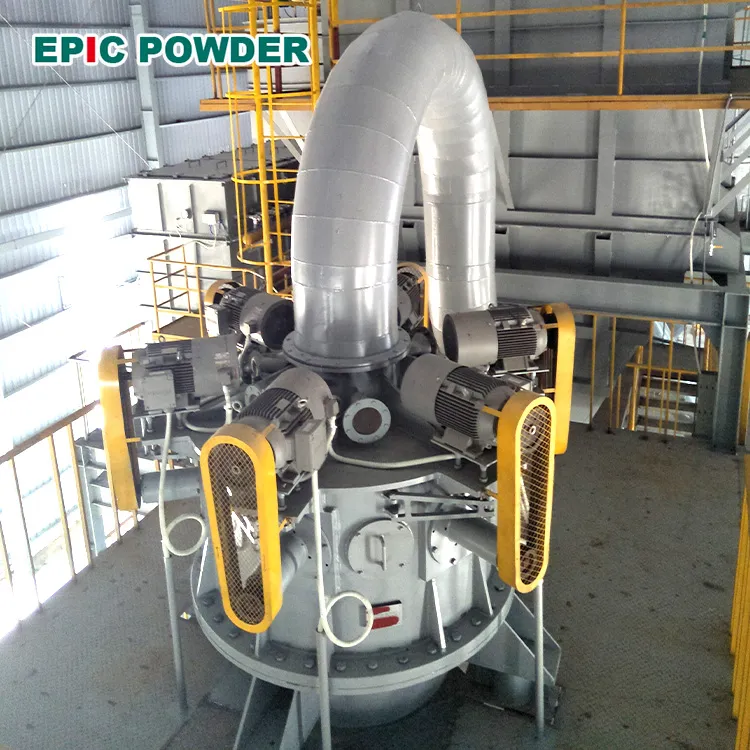
Meskipun roda pengklasifikasi secara luas diakui sebagai komponen inti dalam pemrosesan bubuk, masih terdapat kesenjangan yang signifikan antara pemahaman teoritis dan implementasi praktis pengendalian kecepatan di lantai produksi. Kesenjangan ini tidak hanya menghambat lokalisasi bubuk kelas atas tetapi juga membebankan biaya tersembunyi yang besar pada banyak perusahaan yang mengejar bubuk ultrahalus. Saat ini, industri menghadapi empat titik permasalahan utama, yang bertindak seperti karang tersembunyi yang dapat menyebabkan jalur produksi yang tampaknya stabil kandas kapan saja.
1. Kesalahpahaman tentang “Teori Kecepatan Saja” Berakar Dalam
Dalam alam bawah sadar banyak operator, persamaan sederhana masih tetap ada: kecepatan putaran yang lebih tinggi = produk yang lebih halus = kualitas yang lebih baik. Pemikiran linier ini mengabaikan efek kopling kompleks dari aliran dua fasa gas-padat. Faktanya, begitu kecepatan putaran melebihi ambang batas kritis tertentu, keseimbangan antara medan gaya sentrifugal dan medan gaya hambat aliran gas terganggu, yang menyebabkan peningkatan turbulensi di zona klasifikasi. Pada titik ini, partikel halus mungkin gagal terpisah secara efektif karena aglomerasi atau pengikatan sekunder, yang menghasilkan fenomena paradoks di mana "memaksimalkan kecepatan putaran menyebabkan kehalusan partikel meningkat daripada menurun." Pengabaian terhadap batasan fisik ini adalah akar penyebab dari serangkaian masalah selanjutnya.
2. Empirisme Berkuasa, Kurang Didukung oleh Model Kuantitatif
Meskipun penggerak frekuensi variabel telah digunakan secara luas selama bertahun-tahun, pengaturan kecepatan pada sebagian besar lini produksi masih sangat bergantung pada "perasaan" dan "pertimbangan yang tepat" dari operator berpengalaman. Variasi parameter yang signifikan terjadi di berbagai shift dan operator, yang menyebabkan fluktuasi yang sering terjadi pada distribusi ukuran partikel produk dengan spesifikasi yang sama. Lebih kritis lagi, ketika mengganti jenis material atau mengubah batch bahan baku, "kecepatan empiris" awal seringkali menjadi tidak efektif, sehingga membutuhkan periode uji coba yang panjang untuk membangun kembali stabilitas. Gaya debugging "kotak hitam" ini tidak hanya membuang banyak bahan baku dan listrik, tetapi juga menghilangkan dasar data yang dapat dilacak untuk optimasi proses.
3. Mengabaikan Batasan Peralatan dan Terjebak dalam “Perangkap Kecepatan”
Untuk memenuhi kebutuhan pasar yang semakin menuntut akan bubuk ultra-halus, beberapa perusahaan bahkan mengoperasikan alat pemisah bubuk (classifier) dengan kecepatan yang melebihi kapasitas dan batas maksimumnya untuk jangka waktu yang lama. Mereka hanya fokus pada peningkatan kehalusan produk sambil mengabaikan reaksi berantai yang dihasilkan. Peningkatan suhu bantalan yang cepat, hilangnya keseimbangan dinamis, keausan pisau yang dipercepat, dan seringnya terjadi kelebihan beban pada motor. Pendekatan produksi yang berlebihan ini mungkin tampak mencapai target kehalusan jangka pendek, tetapi sebenarnya secara drastis memperpendek umur peralatan dan meningkatkan waktu henti yang tidak direncanakan. Jika dihitung secara komprehensif, biaya produksi per unit produk sebenarnya meningkat secara signifikan.
4. Kurangnya Kesadaran akan Keterkaitan Sistem; Penyesuaian Parameter Terisolasi Adalah Hal yang Biasa
Roda pengklasifikasi bukanlah komponen yang terisolasi. Bersama dengan penghancur, kipas hisap paksa, dan pengumpan, roda pengklasifikasi membentuk sistem yang seimbang secara dinamis. Namun, dalam praktiknya, banyak kasus menunjukkan bahwa ketika operator menyesuaikan kecepatan roda pengklasifikasi, mereka sering lupa untuk menyinkronkannya dengan aliran udara atau laju pengumpanan. Misalnya, hanya meningkatkan kecepatan putaran tanpa menaikkan tekanan hisap paksa akan menyebabkan partikel halus terlalu lama berada di ruang klasifikasi, yang mengakibatkan penggilingan berlebihan. Sebaliknya, jika aliran udara terlalu tinggi sementara kecepatan putaran tidak mengimbanginya, partikel kasar akan lolos. Pendekatan "mengatasi gejala daripada penyebabnya" pada penyesuaian satu titik ini membuat sistem berjuang dalam keadaan metastabil. Hal ini menyulitkan untuk mencapai kondisi operasi yang benar-benar optimal.
Dari “Mengetahui Apa” menjadi “Mengetahui Mengapa”
Permasalahan yang dijelaskan di atas bukanlah kasus terisolasi, melainkan kesulitan yang melekat dalam transisi industri dari pendekatan yang kasar ke pendekatan yang lebih canggih. Hal ini mengungkap kontradiksi inti: pemahaman kita tentang kecepatan roda pengklasifikasi masih berada pada tingkat "parameter operasional" dan belum meningkat ke tingkat "mekanisme proses". Sementara 90% operator masih meningkatkan kecepatan putaran berdasarkan intuisi dan berulang kali menguji batas perangkap kecepatan, para ahli sejati telah mulai meneliti kembali batasan dinamis yang mendasari kecepatan putaran.
Bubuk EPIC
Pada Bubuk Epik, Kami menawarkan beragam model peralatan dan solusi yang disesuaikan untuk memenuhi kebutuhan spesifik Anda. Tim kami memiliki pengalaman lebih dari 20 tahun dalam berbagai pengolahan bubuk. Epic Powder mengkhususkan diri dalam teknologi pengolahan bubuk halus untuk industri mineral, industri kimia, industri makanan, industri farmasi, dan lain-lain.
Hubungi kami hari ini untuk konsultasi gratis dan solusi yang disesuaikan!

“Terima kasih telah membaca. Semoga artikel ini bermanfaat. Silakan tinggalkan komentar di bawah. Anda juga dapat menghubungi perwakilan layanan pelanggan EPIC Powder secara online. Zelda untuk pertanyaan lebih lanjut.”
— Jason Wang, Insinyur
Eror: Formulir kontak tidak ditemukan.