
การประยุกต์ใช้แคลเซียมคาร์บอเนตในพลาสติกที่ย่อยสลายได้
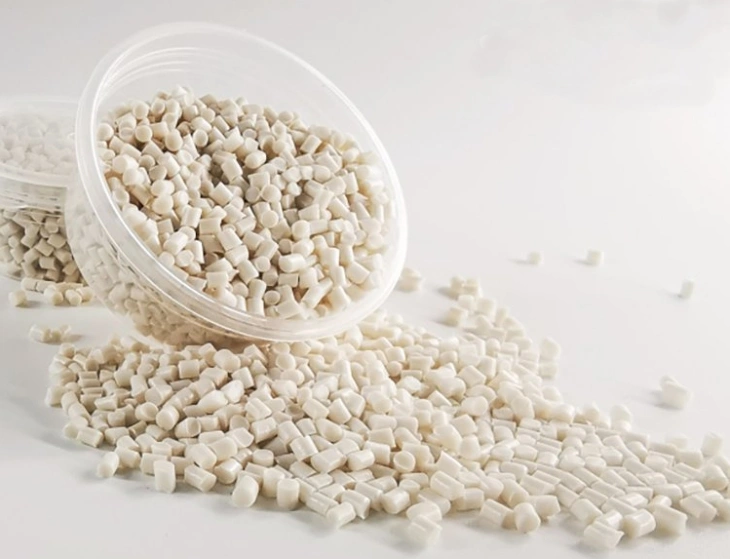
Plastic products are lightweight, strong, corrosion-resistant, cost-effective, and easy to process. They are widely used in daily life. In recent years, the demand for plastic has rapidly increased. However, petroleum-based plastics do not degrade naturally. White plastic waste is causing severe environmental pollution. Therefore, developing biodegradable plastics to replace non-degradable petroleum plastics is an inevitable […]
วิธีเลือกสารช่วยกระจายตัวที่เหมาะสมเพื่อป้องกันการจับตัวเป็นก้อนของผงละเอียดพิเศษ?
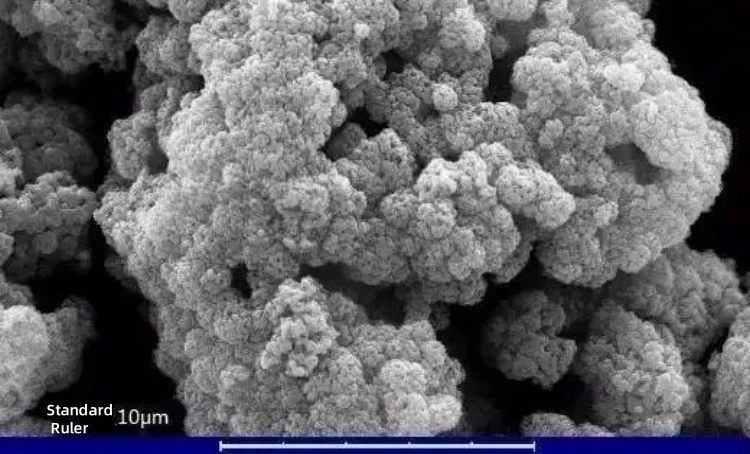
Choosing the appropriate dispersant to prevent the ultrafine powder agglomeration requires a comprehensive consideration of powder properties, dispersing medium, and processing conditions. The following are key principles and strategies: Select the Dispersant Type According to The Powder Characteristics Surface Charge and Polarity Matching Polar powders (such as ceramics, oxides): Prefer anionic dispersants (e.g., sodium polyacrylate, […]
How is Stearic Acid Surface Modified Calcium Carbonate Made?
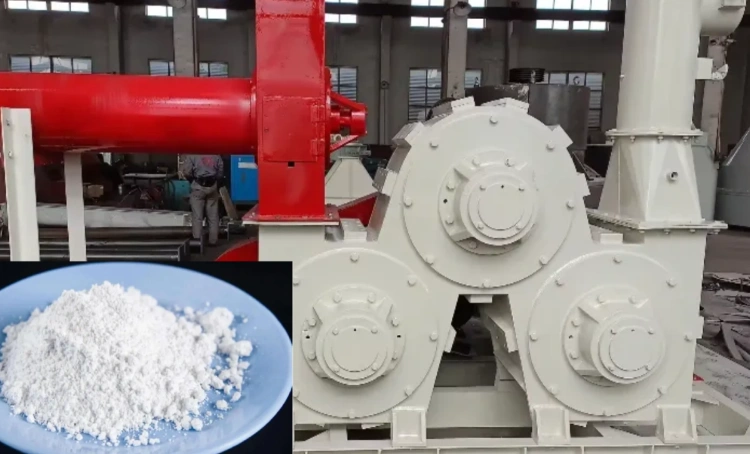
Stearic Acid Surface Modified Calcium Carbonate is widely used in various industries, especially plastics, rubber, coatings, and adhesives. Its primary role is to enhance the dispersion and compatibility of calcium carbonate in composite materials, thereby improving performance. The stearic acid molecule has both hydrophilic and hydrophobic segments. The hydrophilic group interacts physically and chemically with […]
แคลเซียมคาร์บอเนตที่มีรูพรุนคืออะไร และมีประโยชน์อย่างไร?
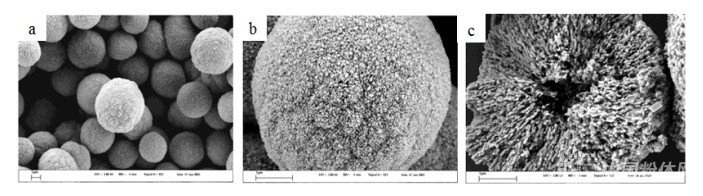
Porous calcium carbonate (CaCO3) particles are gaining attention for use in chromatography, biomolecule loading, and pharmaceuticals release. They are also applied in biomimetic minerals and superhydrophobic surface construction. Preparation Technology of Porous Calcium Carbonate The template method has become the main approach for preparing porous calcium carbonate.Surfactants, polymers, and natural plant components are used as […]
คุณสมบัติและการประยุกต์ใช้ของแคลเซียมคาร์บอเนตตกตะกอน
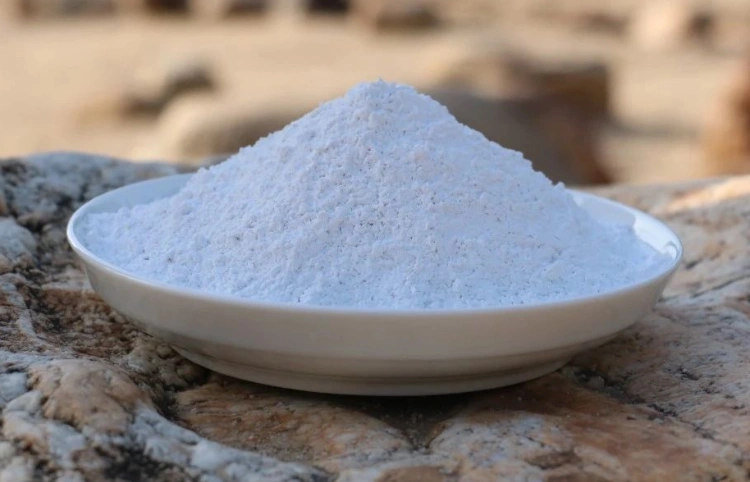
Precipitated Calcium Carbonate (PCC), also known as light calcium carbonate, is made from calcining limestone and other raw materials. Limestone is first calcined to produce lime (mainly calcium oxide) and carbon dioxide. Water is added to the lime to form lime slurry (mainly calcium hydroxide). Carbon dioxide is then passed into the lime slurry to […]
วอลลาสโตไนต์ดัดแปลง: คุณค่าสูงและประสิทธิภาพสูง

Wollastonite is a fibrous silicate mineral with a needle-like structure and high whiteness. It has a low coefficient of thermal expansion, excellent chemical stability, and flame-retardant properties. It also has high electrical insulation, making it suitable for various applications. However, natural wollastonite is hydrophilic. To enhance resource utilization and add value, modified wollastonite is necessary. […]
What are the Mineral Powders in Cosmetics ?
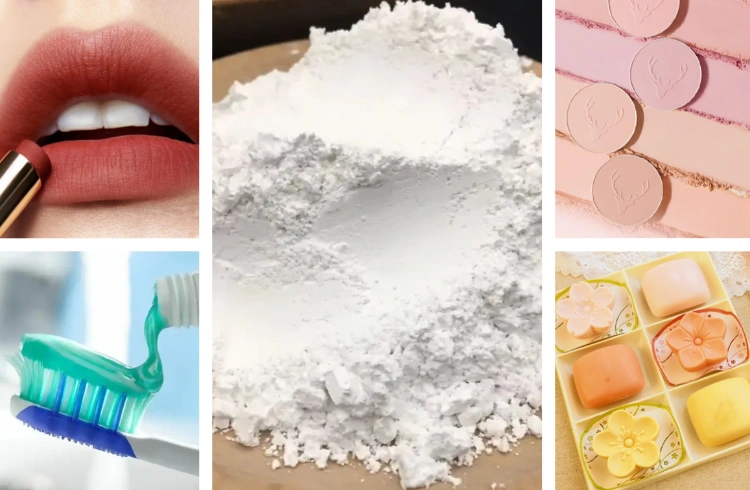
Mineral powders are increasingly used in cosmetics, such as pigment powders, white powders, filler powders, and pearl powders. Pigment powders adjust the color of cosmetics.White powders provide coverage, whitening, and UV blocking. Filler powders regulate product spreadability, adsorption, skin adhesion, texture, and active ingredient loading. Pearl powders enhance product gloss and texture. Physical Powder – […]
What Are the Main Applications of Limestone ?
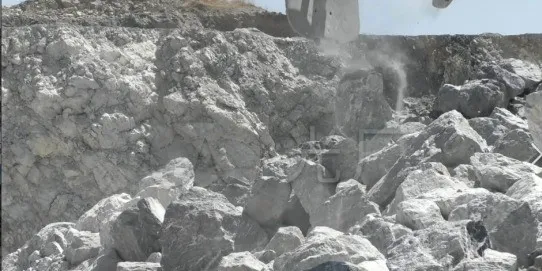
Limestone, also known as “Qing Stone” or “Gray Rock,” is a mineral aggregate primarily composed of calcite. It often contains dolomite, magnesite, and other carbonate minerals. The chemical composition of pure limestone is close to the theoretical composition of CaCO3, with CaO accounting for 56.04% and CO2 for 43.97%. Limestone is a common non-metallic mineral […]
Ball Mill for Powders
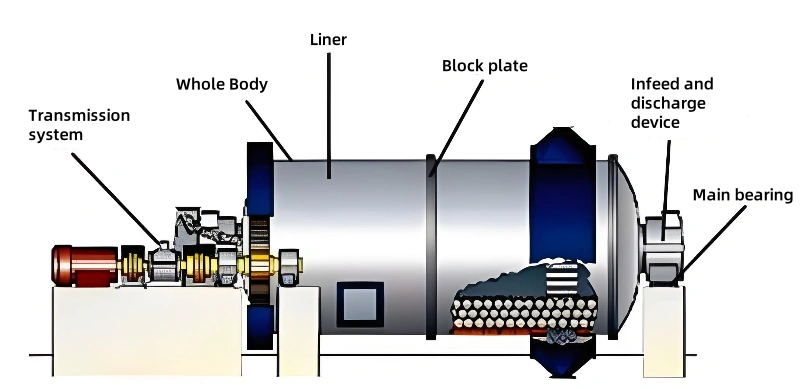
Ball mill is a key equipment for crushing materials after they are broken. Ball mill for powders is one of the high-fine grinding machines widely used in industrial production. It is suitable for grinding various ores and other materials. It is widely used in mineral processing, building materials, and chemical industries. Why is it Called […]