
В условиях постоянно растущих требований к плотности энергии и производительности в новой энергетической отрасли, размер частицы распределение (PSD) литий-железо-фосфат (LFP) стал ключевым фактором, определяющим качество суспензии. покрытие качество и электрохимические характеристики.
Для удовлетворения этих требований ведущий отечественный производитель сосредоточился на измельчении катодных материалов для литий-ионных батарей с целью достижения более коротких путей диффузии ионов и повышения активности материала. Компания потребовала, чтобы ее материал LFP был измельчен до размера частиц D50 1,30 мкм, при этом строго контролируя увеличение содержания металлических примесей (таких как износ цинка) и поддерживая узкое распределение частиц по размерам.
1. Выбор основного оборудования для шлифовки катодных материалов литиевых батарей.
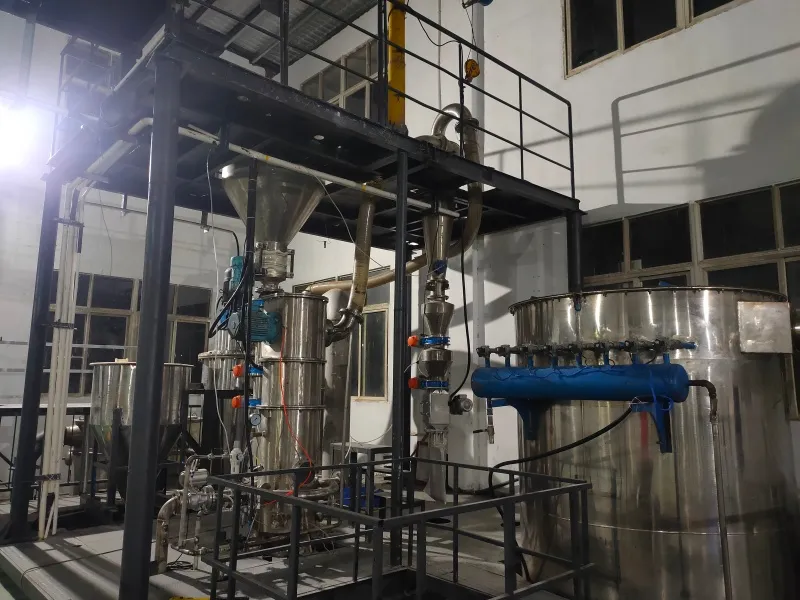
Оборудование: Эпический порошок Серия MQW Струйная мельница с псевдоожиженным слоем
Технические характеристики:
- Многосопловая система совместной разработки:
В серии MQW используются сопла, расположенные в противоположных направлениях вокруг шлифовальной камеры. Сверхзвуковой поток воздуха вызывает столкновения частиц и самошлифовку, значительно снижая износ стенок оборудования. - Высокоточная классификация:
Оснащен горизонтальным высокоскоростным классификационным колесом. Регулируя скорость вращения (об/мин), можно точно отрезать частицы крупного размера. - Полная керамическая защита:
Для материалов аккумуляторного класса все детали, контактирующие с продуктом (форсунки, классификационное колесо, футеровка), изготовлены из керамических плиток из оксида алюминия или карбида кремния, что обеспечивает... нулевое содержание металлов.
2. Параметры производства и результаты измерений
В ходе пусконаладочных работ на объекте для мишени с длиной волны 1,30 мкм были зарегистрированы следующие данные:
| Элемент | Параметры процесса / Результаты испытаний |
|---|---|
| Размер частиц исходного сырья | D50 ≈ 15–20 мкм |
| Давление шлифовки | 0,7–0,8 МПа |
| Скорость вращения колеса классификатора | 3500–4200 об/мин (регулируется в зависимости от модели) |
| Конечный продукт D50 | 1,30 мкм |
| Характеристики PSD | Узкая кривая распределения, при этом D100 эффективно контролируется. |
3. Основные преимущества
- Защита морфологии:
По сравнению с механическими мельницами, MQW струйная мельница В процессе шлифовки выделяется очень мало тепла, что эффективно предотвращает повреждение углеродного покрытия на частицах LFP. - Высокоэффективное рассеивание:
The струйное фрезерование Этот процесс обеспечивает эффективное удаление агломератов, устраняя склонность к агломерации ультрадисперсных порошков LFP. - Высокий уровень автоматизации:
Система объединяет сбор пыли под отрицательным давлением и автоматическое управление, обеспечивая соответствие нормам по выбросам пыли и стабильное качество от партии к партии.
4. Заключение
Приняв Эпический порошок Струйная мельница серии MQW позволила заказчику успешно добиться стабильного перехода фосфата лития-железа от мелкодисперсного к ультрамелкодисперсному размеру частиц. Точный контроль размера частиц на уровне 1,30 мкм не только улучшил производительность разряда, но и повысил скорость разряда. материал батареи, но также обеспечили мощную техническую поддержку конкурентоспособности компании на рынке мощных аккумуляторных батарей.