
nero di carbonio
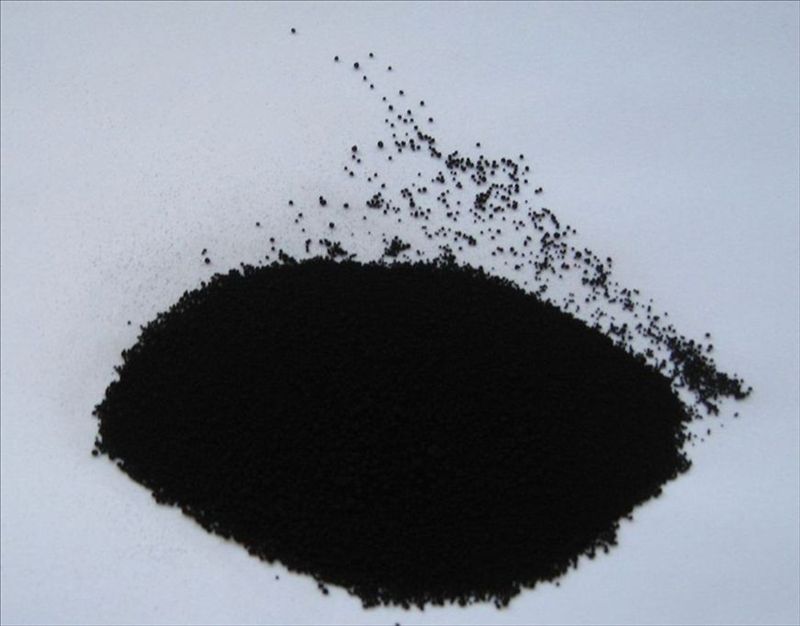
A black powdery substance formed by the incomplete combustion or pyrolysis of hydrocarbons in the gas phase under strictly controlled process conditions. Its composition is mainly elemental carbon and contains a small amount of oxygen, hydrogen, and sulfur. Carbon black particles are nearly spherical, between 10 and 500μm. Many particles are fused or agglomerated into […]
Cera di polietilene | Cera PE

Polyethylene wax (PE wax), or polymer wax, is called polyethylene wax. It is widely used because of its excellent cold, heat, chemical, and abrasion resistance. In normal production, this part of the wax as an additive can be added directly to the polyolefin processing, which can increase the gloss and processing performance of the product. […]
Calcium Carbonate | CaCO₃
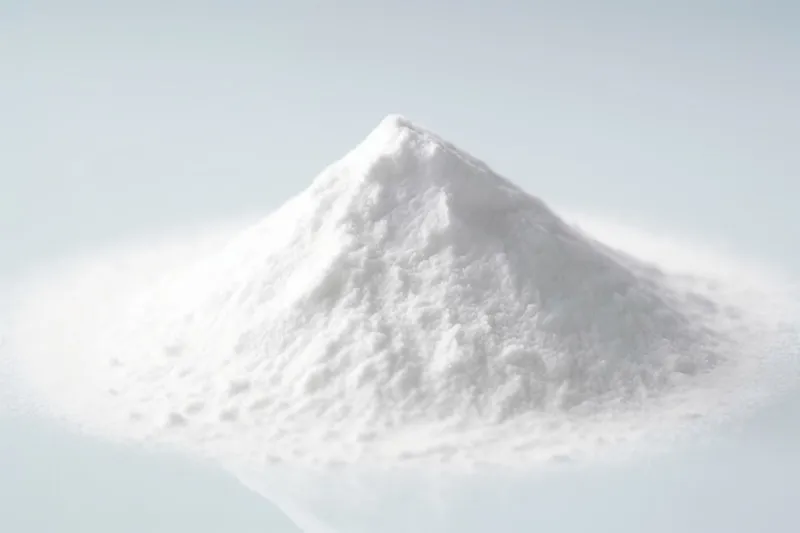
Calcium carbonate is an inorganic compound with the chemical formula CaCO₃ and is the main component of limestone, marble, etc. Calcium powder is usually white crystals, odorless, essentially insoluble in water, and reacts readily with acids to release carbon dioxide. It is one of the common substances found on earth within rocks such as aragonite, […]
Sodium Carbonate | Na2CO3

Sodium carbonate, or soda ash or washing soda, is a white, crystalline solid compound with the chemical formula Na2CO3. It is an alkaline substance commonly used in industrial and domestic applications. What Is Sodium Carbonate? Sodium carbonate is derived from sodium chloride (common salt) and limestone through the Solvay process. It primarily produces glass, detergents, […]
Choose Different Classifiers According to Different Particle Size Requirements for Grinding Heavy Calcium Carbonate
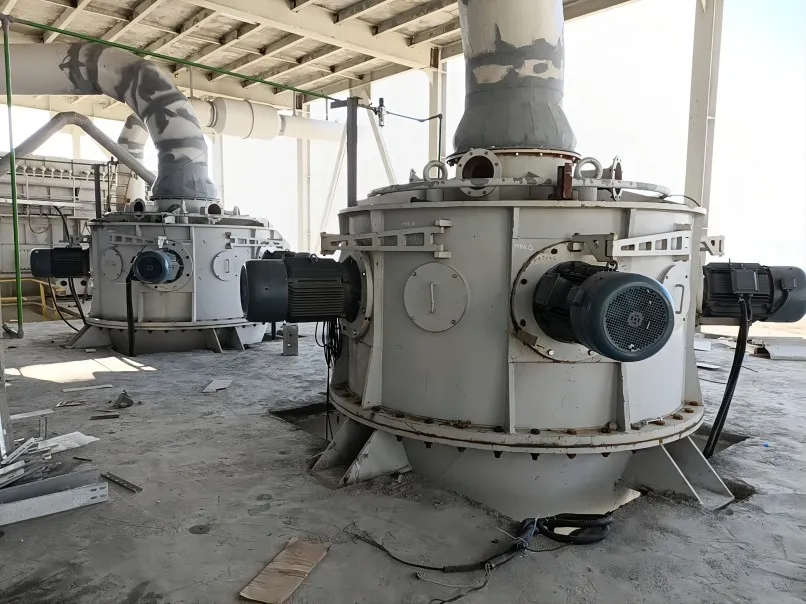
Heavy calcium powder, also known as heavy calcium carbonate (CaCO3), is widely used in various industries due to its unique properties. Achieving the desired particle size distribution during the grinding process is crucial for optimizing the performance of heavy calcium powder. The selection of appropriate classifiers plays a vital role in meeting specific particle size […]
Macinazione del caolino: panoramica generale, metodi di lavorazione e applicazioni.
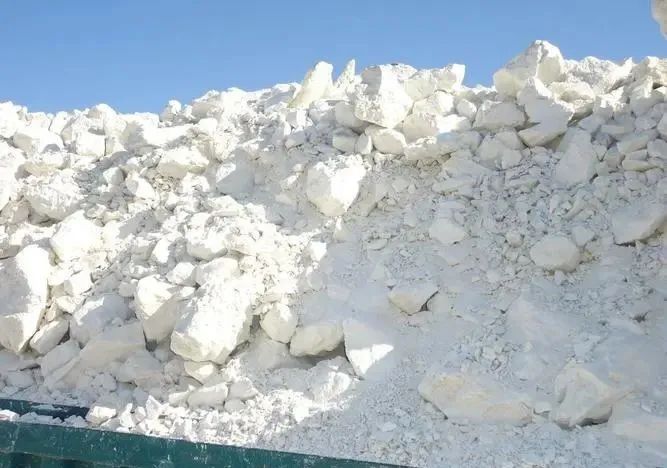
Il caolino è un minerale non metallico appartenente alla famiglia delle argille e delle rocce argillose, composto principalmente da minerali argillosi del gruppo della caolinite. Prende il nome dal villaggio di Gaoling a Jingdezhen, nella provincia di Jiangxi, in Cina. Il caolino puro si presenta bianco, delicato e dalla consistenza morbida, e possiede eccellenti proprietà fisiche e chimiche, tra cui plasticità e resistenza al fuoco. La sua composizione minerale è costituita principalmente da […]