
Si trabajas en una empresa de biotecnología que procesa fibras vegetales, probablemente te hayas hecho esta pregunta:
¿Qué tamaño de partícula y otras especificaciones debo buscar al modificar las fibras vegetales?
Las fibras vegetales son resistentes, sensibles al calor y tienden a agruparse. Ahí es donde entra en juego la Sistema de recubrimiento RTM Turbo Mill Llega una nueva máquina que combina molienda fina, secado y recubrimiento superficial. Y ya está ayudando a empresas en China, Europa y Norteamérica a obtener fibras vegetales modificadas de alta calidad y consistencia.
En este artículo, abordaremos los siguientes temas:
- Especificaciones de modificación estándar para fibras vegetales
- Por qué cada especificación es importante para las aplicaciones biotecnológicas
- Cómo el sistema de recubrimiento RTM Turbo Mill le ayuda a alcanzar esos objetivos.
- Modelos de equipos, parámetros técnicos y guía de selección
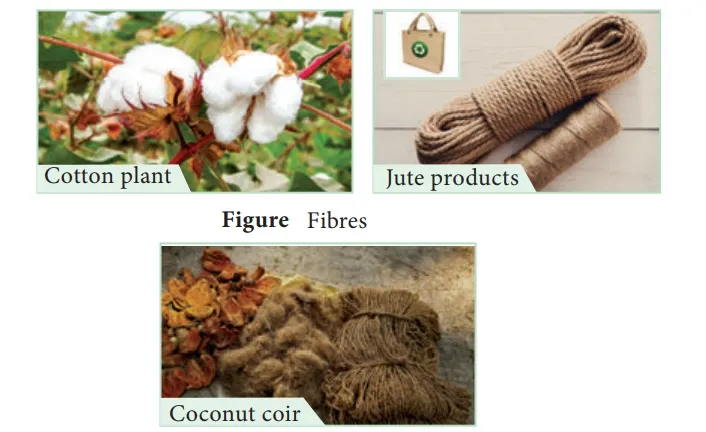
¿Por qué es importante la modificación de la fibra vegetal en las aplicaciones biotecnológicas?
Las fibras vegetales (como la celulosa, el cáñamo, el lino o la fibra de madera) se utilizan ampliamente como rellenos o agentes reforzantes en plásticos biodegradables, materiales compuestos y materiales de embalaje. Son renovables, ligeros y de bajo coste.
Sin embargo, las fibras vegetales no tratadas presentan dos problemas principales:
- Son hidrófilos (afines al agua), mientras que la mayoría de los biopolímeros (como PLA, PBAT o PHA) son hidrofóbicos (repelen el agua). Esto da lugar a una dispersión deficiente y a interfaces débiles.
- Tienen formas irregulares y una amplia distribución de tamaños., lo cual puede reducir las propiedades mecánicas del producto final.
Modificación de la superficie Resuelve ambos problemas. Al recubrir la superficie de la fibra con agentes de acoplamiento (como ácido esteárico, titanato o silano), se puede:
- Mejorar la dispersión en la matriz polimérica
- Aumenta la resistencia al impacto y a la tracción.
- Reducir la absorción de humedad
- Logre una mayor carga de relleno sin sacrificar la procesabilidad.
El sistema de recubrimiento RTM Turbo Mill está diseñado para realizar el rectificado y el recubrimiento en un proceso continuo y energéticamente eficiente.
Comprensión de las especificaciones de modificación de fibras vegetales
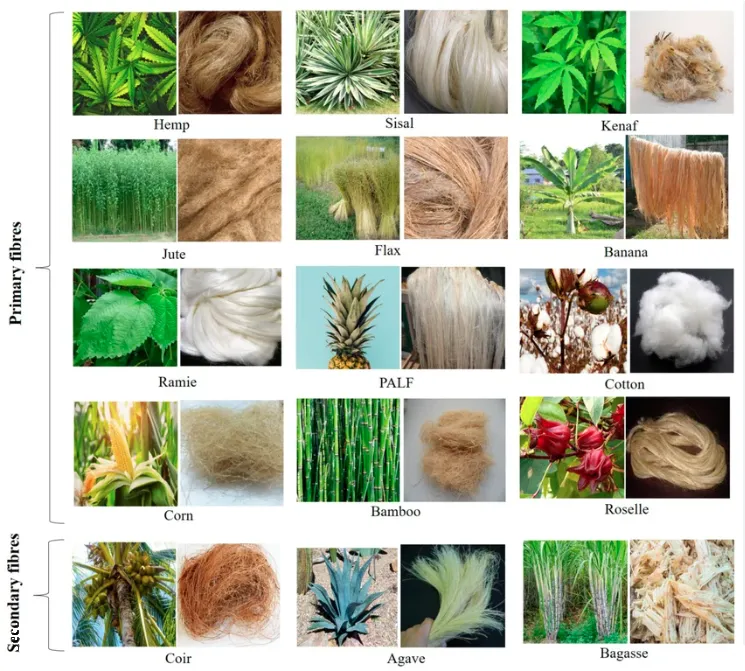
Cuando una empresa de biotecnología pregunta "¿qué especificaciones deben cumplir nuestras fibras vegetales modificadas?", la respuesta abarca cinco parámetros clave.
1. Tamaño de partícula / Longitud de la fibra
El tamaño de partícula es la especificación más común. Afecta directamente a la fluidez, la densidad de empaquetamiento y las propiedades del producto final.
Rangos típicos para fibras vegetales modificadas:
| Solicitud | D50 recomendado |
|---|---|
| Moldeo por inyección con alto contenido de relleno | < 50 μm |
| Láminas y películas extruidas | 50 – 200 μm |
| Biocompuestos estructurales | 200 – 500 μm |
| Polvo ultrafino para masterbatch | 5 – 20 μm |
Ejemplos comerciales comunes:
- Celulosa en polvo (por ejemplo, Alpha-Cel® AC-BH200): 35 μm
- Fibra de cáñamo para bioplásticos (por ejemplo, JRS HMP-H150): 150 μm longitud media
- Fibra vegetal ultrafina: D97 < 10 μm (equivalente a >1250 mallas)
El molino turbo RTM puede producir polvos de fibra vegetal con D50 de 1 μm a 250 μm, cubriendo todos los rangos mencionados anteriormente.
2. Distribución del tamaño de partícula (DTP)
No se trata solo del tamaño promedio. Una distribución de tamaño de partícula (DTP) estrecha y controlada garantiza un rendimiento constante.
Indicadores clave:
- D50 – tamaño medio de partícula
- D90 o D97 – 90% o 97% de partículas por debajo de un cierto tamaño
Por ejemplo:
D97: 75 μm Esto significa que 97% de las partículas son más pequeñas que 75 μm. Esto garantiza que ninguna fibra de tamaño excesivo arruine el acabado superficial de su película o pieza moldeada.
El sistema RTM incluye un clasificador de aire integrado. Puede ajustar la velocidad del rotor para eliminar las partículas gruesas y lograr la distribución del tamaño de partícula exacta que necesita.
3. Contenido de humedad
Las fibras vegetales absorben la humedad de forma natural, a menudo entre 8 y 121 TP3T o más. El exceso de humedad provoca:
- Burbujas y huecos en el moldeo por extrusión o inyección.
- Degradación de biopolímeros (hidrólisis)
- Mala adhesión entre la fibra y la matriz.
Estándar de la industria después de la modificación:
Contenido de humedad ≤ 7,0% — y a menudo más bajos (< 3%) para compuestos de alto rendimiento.
El molino RTM Turbo Mill se puede configurar con un sistema de aire caliente. Durante el fresado, el flujo de aire caliente seca la fibra instantáneamente. Los clientes han informado reducción de humedad de 37–67% en comparación con la molienda convencional.
4. Densidad aparente
La densidad aparente afecta al transporte, al almacenamiento y a la alimentación de las extrusoras.
Para fibras vegetales modificadas (por ejemplo, cáñamo o celulosa):
Densidad aparente típica = 155 g/L (aprox. 9,7 lb/ft³)
Densidad aparente (densidad real del material fibroso): 1,27 – 1,61 g/cm³
Si la densidad aparente es demasiado baja, es posible que deba precompactar el polvo. El sistema RTM se puede combinar con un compactador o peletizador si es necesario.
5. Tasa de recubrimiento / Índice de activación
Este es el indicador de calidad más importante para modificado fibras. El grado de recubrimiento indica qué parte de la superficie de la fibra está cubierta por el agente de acoplamiento o modificador.
Sector objetivo: Tasa de recubrimiento ≥ 96% – 99%
Esto se suele medir como el índice de activación – el porcentaje de polvo que flota en el agua en lugar de hundirse (lo que indica hidrofobicidad).
Con el preciso sistema de recubrimiento por pulverización y la dispersión de alta velocidad del RTM, se obtiene una tasa de recubrimiento de >96% es algo que se puede lograr de forma consistente con las fibras vegetales.
Por qué estas especificaciones son importantes
Conectemos estas especificaciones con resultados de producción reales.
- Tamaño de partícula fino (< 50 μm) Permite una mayor carga de relleno (hasta 50–60% en algunos biocompuestos) sin sacrificar la resistencia al impacto.
- PSD estrecho (baja relación D97/D50) Garantiza un acabado superficial liso y reduce el desgaste de la matriz.
- Bajo contenido de humedad (< 3%) Evita la degradación del PLA o del PBAT durante el procesamiento por fusión.
- Alta tasa de recubrimiento (> 96%) Elimina la aglomeración de fibras, por lo que su mezclador funciona a mayor rendimiento con menor consumo de energía.
En resumen: las especificaciones de modificación adecuadas convierten las fibras vegetales de un relleno barato en un aditivo funcional Eso añade valor.
Descripción general del sistema de recubrimiento RTM Turbo Mill para la modificación de fibras vegetales.
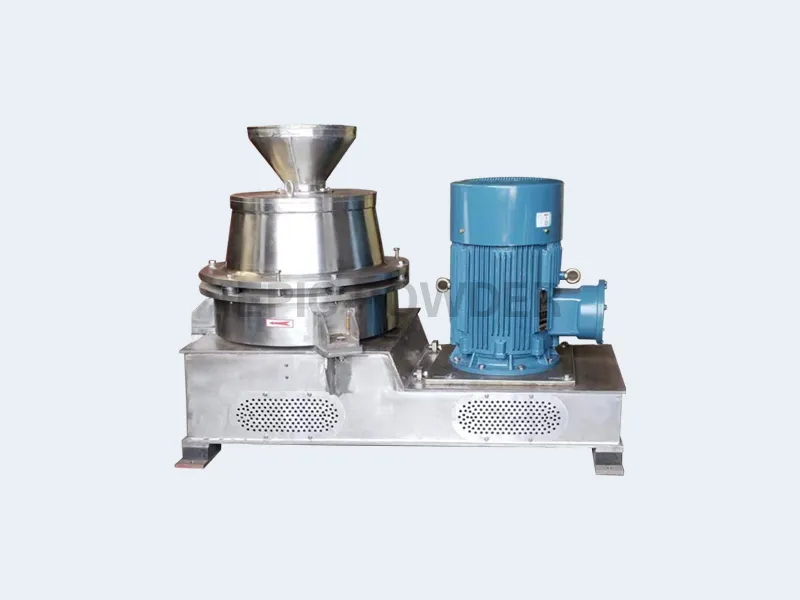
El RTM (Rotary Turbo Mill) es un sistema de ingeniería alemana fabricado en China que integra tres procesos:
- Molienda fina (impacto, cizallamiento y fricción)
- El secado (aire caliente opcional)
- Recubrimiento de superficie (Rociar modificadores durante el proceso de molienda)
Parámetros técnicos clave (Serie RTM)
| Parámetro | Valor |
|---|---|
| Finura del producto (D50) | 1 – 250 μm (50 – 2500 mallas) |
| Velocidad máxima de la punta del rotor | 120 – 130 m/s |
| Espacio entre rotor y estator | 2 – 6 mm (ajustable) |
| Velocidad del rotor | 1.800 – 7.550 r/min (dependiendo del modelo) |
| Volumen de flujo de aire | 1.600 – 6.000 m³/h (dependiendo del modelo) |
| Rango de salida | 30 – 6.000 kg/h (dependiendo del material) |
Principio de funcionamiento: explicación sencilla
El RTM tiene un rotor cónico y un estator con pasadores de impacto especiales. A medida que el rotor gira a alta velocidad, las fibras vegetales entran en la cámara de molienda. Estas son:
- Golpeado por los pasadores del rotor (impacto)
- Cizallamiento entre el rotor y el estator (cizallamiento)
- Se frotaron entre sí (fricción)
Simultáneamente, se rocía un modificador líquido (por ejemplo, ácido esteárico o silano) a través de boquillas. El flujo turbulento de alta velocidad recubre uniformemente cada partícula.
Un clasificador de aire situado en la parte superior del molino devuelve automáticamente las partículas gruesas para su remolienda, mientras que las partículas finas se recogen en un ciclón o en un filtro de mangas.
Esto significa un pase Mediante la tecnología RTM se puede obtener el tamaño de partícula y el recubrimiento exactos que necesita.
Ventajas técnicas para el procesamiento de fibras vegetales
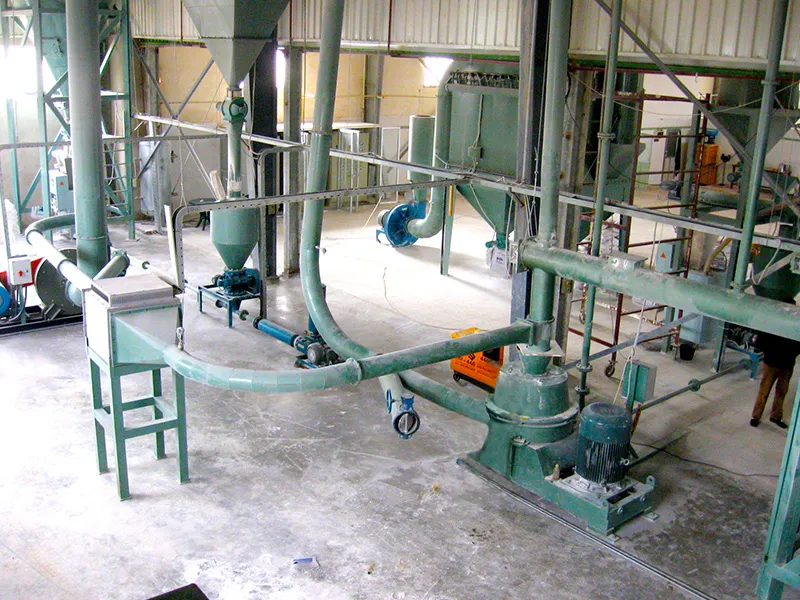
¿Por qué elegir el molino turbo RTM para fibras vegetales? Estas son las principales ventajas.
1. Molienda a baja temperatura
Las fibras vegetales son sensibles al calor. Si la fábrica se calienta demasiado, las fibras pueden oscurecerse, degradarse o incluso incendiarse.
El RTM utiliza un gran volumen de aire de refrigeración (ambiente o refrigerado). Incluso a altas velocidades del rotor, la temperatura de salida se mantiene baja, típicamente < 70 °C. Esto preserva las propiedades naturales de la fibra.
2. Alta fuerza de corte para fibras resistentes
Los molinos de martillos o de chorro estándar tienen dificultades con materiales fibrosos y elásticos. La alta velocidad de la punta del RTM (hasta 130 m/s) y el pequeño espacio crean cizallamiento intenso que corta las fibras en lugar de simplemente romper las partículas quebradizas. Esto produce un polvo más uniforme con menos filamentos sueltos.
3. Secado integrado
Si la fibra vegetal que recibe tiene un alto contenido de humedad (p. ej., > 10%), puede añadir un generador de aire caliente. El RTM se convierte en un secador instantáneo y un molino. Esto le ahorra un paso de secado adicional y reduce los costos de energía.
4. Recubrimiento en un solo paso
No se necesita un mezclador de alta velocidad o un reactor de recubrimiento por separado. El RTM recubre las partículas. mientras se están moliendo. La superficie fresca y activa de la fibra reacciona inmediatamente con el modificador. Esto produce una mayor eficiencia de recubrimiento (>96%) con menos modificador (ahorrando entre 15 y 30% en productos químicos).
5. Automatización de PLC
El sistema está totalmente automatizado mediante un panel de control PLC. Permite almacenar recetas para diferentes tipos de fibra y proporciones de modificadores. Un solo operario puede gestionar la línea fácilmente.
6. Funcionamiento seguro y sin polvo
Todo el sistema funciona bajo presión negativa. No hay fugas de polvo. Existen opciones a prueba de explosiones para materiales con riesgo de explosión por polvo (por ejemplo, celulosa fina).
Integración de sistemas de recubrimiento: cómo funciona la modificación de superficies
La tecnología RTM permite aplicar diversos modificadores de superficie a las fibras vegetales.
| Tipo de modificador | Lo mejor para | Efecto |
|---|---|---|
| Ácido esteárico | PLA, PBAT, PE, PP | Recubrimiento hidrofóbico, mejora el flujo. |
| Agente de acoplamiento de titanato | Biocompuestos con alto contenido de relleno | Une la fibra al polímero, aumentando la resistencia al impacto. |
| Agente de acoplamiento de aluminato | Similar al titanato | Menor coste para algunos sistemas. |
| agente de acoplamiento de silano | Fibra de vidrio, sílice o cuando la unión química es fundamental. | Interfaz más resistente, ideal para materiales compuestos de ingeniería. |
El modificador se funde o emulsiona primero en un tanque de medición, Luego, se rocía en el molino mediante boquillas de precisión. La temperatura se controla automáticamente para que el modificador permanezca líquido y recubra de manera uniforme.
Resultado: El polvo de fibra vegetal modificado fluye como un polvo fino, no absorbe agua rápidamente y se dispersa perfectamente en su compuesto bioplástico.
Selección de modelos RTM recomendados para la producción de fibra vegetal
La elección del modelo RTM adecuado depende del resultado deseado y de las características de la fibra.
| Modelo | Diámetro del rotor. | Fuerza | Velocidad máxima | flujo de aire | Producción (fibra vegetal) |
|---|---|---|---|---|---|
| RTM-300H | 300 mm | 18,5–22 kW | 7550 rpm | 1600 m³/h | 30 – 800 kg/h |
| RTM-500H | 500 milímetros | 45 kW | 4700 rpm | 2400 m³/h | 80 – 2000 kg/h |
| RTM-750V | 750 mm | 55–75 kW | 3000 rpm | 3600 m³/h | 100 – 3000 kg/h |
| RTM-1000V | 1000 mm | 90–110 kW | 2250 rpm | 4800 m³/h | 200 – 4500 kg/h |
| RTM-1250V | 1250 mm | 110–132 kW | 1800 rpm | 6000 m³/h | 300 – 6000 kg/h |
Nota: El resultado depende del tipo de fibra, la humedad y la finura deseada. Las cifras anteriores se basan en fibra de celulosa (D50 ~75 μm).
Recomendación para una empresa de biotecnología que produce entre 1 y 2 toneladas por hora:
Elija entre RTM-500H o RTM-750V. Ambos ofrecen un buen equilibrio entre flexibilidad y capacidad de producción.
Para I+D o producción en lotes pequeños: el RTM-300H es ideal.
¿Por qué elegir Epic Powder para sus necesidades de modificación de fibra vegetal?
Polvo épico Epic Powder Machinery Co., Ltd. es un fabricante de confianza de equipos para el procesamiento de polvos. Nuestro sistema de recubrimiento RTM Turbo Mill se basa en tecnología alemana y ha demostrado su eficacia en cientos de instalaciones en todo el mundo.
Lo que ofrecemos para la modificación de fibras biotecnológicas:
- Soluciones personalizadas — Analizamos su muestra de fibra en nuestro laboratorio y, a continuación, le recomendamos el diseño exacto del rotor, la configuración del clasificador y los parámetros de recubrimiento.
- Suministro de línea completa — Desde el alimentador hasta el molino, pasando por el clasificador y el colector de polvo, suministramos el sistema completo.
- Plazo de entrega corto — De 1 a 3 meses, dependiendo del modelo y las opciones.
- Precios competitivos — Aproximadamente un tercio del precio de equipos alemanes o japoneses equivalentes, con el mismo o mejor rendimiento.
- Garantía — 1-2 años de garantía en piezas mecánicas, con soporte técnico de por vida.
- Servicio global — Disponemos de manuales en inglés, asistencia remota y puesta en marcha in situ.
Hemos ayudado a clientes a modificar fibra de madera, fibra de bambú, fibra de cáñamo, cáscara de arroz e incluso polvo de algas marinas. Nuestros sistemas se utilizan en bioplásticos, piensos, fabricación de papel y materiales de construcción.
Preguntas frecuentes
P1: ¿Cuál es el rango típico de tamaño de partícula para las fibras vegetales modificadas mediante RTM?
A: El RTM puede producir D50 de 1 μm a 250 μm (50–2500 mallas). Para la mayoría de las aplicaciones de relleno biotecnológico, el rango común es 35–150 μm.
P2: ¿Puede el RTM procesar fibra vegetal húmeda (por ejemplo, humedad 20%)?
A: Sí. Con la opción de secado por aire caliente, el RTM puede aceptar alimento con hasta 25–30% humedad y producir polvo con < 5% humedad en una sola pasada.
P3: ¿Necesito una mezcladora aparte para el recubrimiento?
A: No. El RTM integra el recubrimiento en la etapa de molienda. Solo necesitas preparar tu modificador (líquido o sólido de bajo punto de fusión) y conectarlo al sistema de pulverización.
P4: ¿Qué tan uniforme es el recubrimiento?
A: Muy uniforme. El flujo de aire turbulento y la alta velocidad aseguran que la superficie de cada partícula quede expuesta. Típico índice de activación ≥ 96% (prueba flotante). Para aplicaciones críticas, podemos lograr >99%.
P5: ¿Es seguro el RTM para fibras vegetales combustibles (por ejemplo, celulosa fina)?
A: Sí. La máquina estándar incluye venteos de explosión. También ofrecemos una versión completa. Sistema de protección contra explosiones conforme a la normativa ATEX (Gas inerte, supresión, aislamiento). Por favor, infórmenos sobre las características explosivas de su material.
P6: ¿Cómo sé qué modelo comprar?
A: Envíenos una muestra (1–2 kg) de su fibra vegetal cruda e indíquenos su D50 objetivo y su producción horaria. Nuestro laboratorio realizará una prueba y le proporcionará una recomendación detallada y una estimación del consumo energético.
Conclusión
La modificación de la fibra vegetal no se trata solo de hacer que las partículas sean más pequeñas. Se trata de lograr el equilibrio adecuado entre:
- Tamaño y distribución de partículas
- Contenido de humedad
- Densidad a Granel
- Uniformidad del recubrimiento
El Sistema de recubrimiento RTM Turbo Mill Epic Powder te ofrece las cuatro ventajas en una máquina automatizada, libre de polvo y de bajo consumo energético.
Tanto si produce 100 kg por hora para una línea piloto como 5 toneladas por hora para la fabricación a gran escala, existe un modelo RTM que se adapta a sus necesidades.
¿Listo para mejorar tu proceso de modificación de fibras vegetales?
Contacte hoy mismo con Epic Powder. Envíenos su muestra de fibra y las especificaciones requeridas. Le enviaremos un informe de análisis de laboratorio, un plano del equipo y un presupuesto en el plazo de una semana.
Polvo épico
Polvo épico Contamos con más de 20 años de experiencia en la industria de polvos finos. Impulsamos activamente el desarrollo futuro de polvos ultrafinos, centrándonos en los procesos de trituración, molienda, clasificación y modificación. ¡Contáctenos para obtener una solución personalizada!
Epic Powder Machinery Co., Ltd. – Su socio para soluciones avanzadas de procesamiento de polvos.

“Gracias por leer. Espero que mi artículo les sea útil. Dejen sus comentarios abajo. También pueden contactar a Zelda, nuestra representante de atención al cliente en línea de EPIC Powder, para cualquier otra consulta.”
— Jason Wang, Ingeniero
Error: No se encontró ningún formulario de contacto.