
প্রকল্পের পটভূমি
ক্লায়েন্ট ব্রাজিলের মিনাস জেরাইস রাজ্যে অবস্থিত। এটি প্রাকৃতিক গ্রাফাইটের গভীর প্রক্রিয়াকরণে বিশেষায়িত একটি কোম্পানি। এর পণ্যগুলি প্রধানত লিথিয়াম-আয়ন ব্যাটারির জন্য পরিবাহী অ্যাডিটিভ এবং বিশেষ লুব্রিকেন্টের ক্ষেত্রে ব্যবহৃত হয়। ক্লায়েন্টকে প্রাকৃতিক ফ্লেক গ্রাফাইট প্রায় ২.৮ মাইক্রোমিটারের D50-তে গুঁড়ো করতে হবে, যার কণার আকার বন্টন হবে সংকীর্ণ ও সুষম, যাতে অতিরিক্ত গুঁড়ো করার ফলে অত্যধিক অতিসূক্ষ্ম পাউডার তৈরি না হয়।.
উৎপাদন চ্যালেঞ্জ
গ্রাফাইটের একটি স্তরযুক্ত গঠন রয়েছে। এটি নরম এবং স্বাভাবিকভাবেই পিচ্ছিল। প্রচলিত বল মিলিংয়ের সময়, কার্যকরভাবে ভাঙার পরিবর্তে স্তরগুলোর মধ্যে পিছলে যাওয়ার প্রবণতা দেখা যায়, যার ফলে পেষণকালে উচ্চ শক্তি খরচ হয় এবং কার্যকারিতা কমে যায়। একই সাথে, গ্রাহকের বিদ্যমান উৎপাদন লাইনের বিন্যাসটি সুসংহত, যা নতুন সরঞ্জাম স্থাপনের জন্য উপলব্ধ স্থানকে সীমিত করে। অধিকন্তু, নতুন সরঞ্জামগুলোকে অবশ্যই বিদ্যমান শ্রেণিবিন্যাস এবং পরিবহন ব্যবস্থার সাথে নির্বিঘ্নে সমন্বিত হতে হবে, যা স্থাপনের ক্ষেত্রে কঠোর শর্ত তৈরি করে।.
EPIC সমাধান
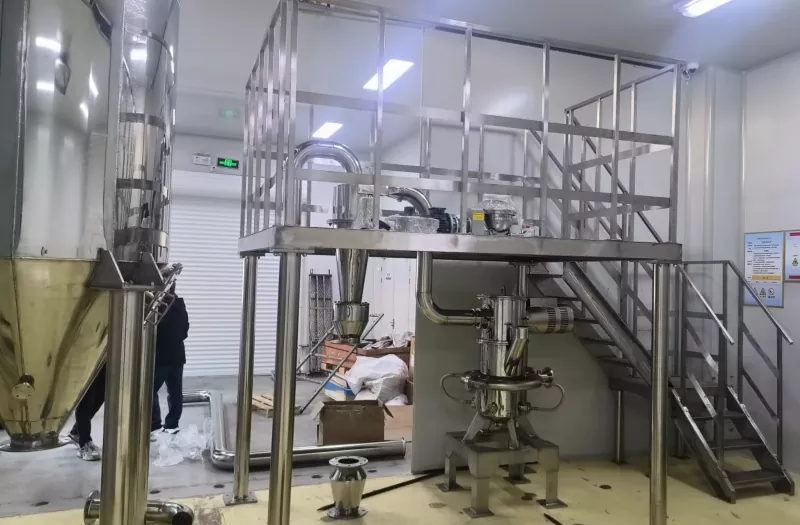
গ্রাফাইটের ভৌত বৈশিষ্ট্যগুলো বিবেচনা করে, EPIC প্রকৌশল দল একটি নির্বাচন করেছে ফ্লুইডাইজড-বেড এয়ার জেট মিল সলিউশন। এই প্রক্রিয়ায় উচ্চ-গতির বায়ুপ্রবাহ ব্যবহার করে কণাগুলোকে একে অপরের সাথে সংঘর্ষ ঘটিয়ে চূর্ণ করা হয়, যা গ্রাইন্ডিং মিডিয়ার প্রয়োজনীয়তা দূর করে এবং যান্ত্রিক পেষণের ফলে গ্রাফাইটের স্তরযুক্ত কাঠামোর ক্ষতি হওয়া প্রতিরোধ করে। পুরো প্রক্রিয়া জুড়ে ধাতব দূষণ শূন্য রাখা এবং পণ্যের বিশুদ্ধতা নিশ্চিত করার জন্য মূল উপাদানগুলোতে অ্যালুমিনা সিরামিকের আস্তরণ দেওয়া থাকে।.
ইনস্টলেশন পর্যায়ে, EPIC-এর কারিগরি দল সরেজমিন সমীক্ষা পরিচালনার জন্য ব্রাজিলীয় গ্রাহকের সাইটে দুইবার পরিদর্শন করে। প্ল্যান্টে উপলব্ধ প্রকৃত স্থানের উপর ভিত্তি করে, তারা যন্ত্রপাতির বিন্যাস নতুন করে ডিজাইন করে এবং এয়ার জেট মিল, সাইক্লোন সেপারেটর ও ব্যাগহাউস ডাস্ট কালেক্টরকে সুসংহতভাবে একীভূত করে। তারা বিশেষভাবে নন-স্ট্যান্ডার্ড পাইপিং ফিটিংসও ডিজাইন করে, যার মাধ্যমে গ্রাহকের বিদ্যমান কনভেয়িং সিস্টেমের সাথে নতুন যন্ত্রপাতির একটি নির্বিঘ্ন সংযোগ সফলভাবে স্থাপন করা হয়। কমিশনিংয়ের সময়, প্রকৌশলীরা আন্তঃসীমান্ত যোগাযোগ এবং টাইম জোনের পার্থক্য সম্পর্কিত প্রতিবন্ধকতাগুলো কাটিয়ে ওঠেন। সরেজমিন ও দূরবর্তী পদ্ধতির সমন্বয়ে, তারা বারবার নজলের বায়ুপ্রবাহের চাপ এবং ক্লাসিফিকেশন হুইলের গতির প্যারামিটারগুলো অপ্টিমাইজ করেন। পরিশেষে, চূড়ান্ত পণ্যের D50 প্রায় ২.৮ মাইক্রোমিটারে স্থিতিশীল হয়, যার কণার আকার বন্টন ছিল সংকীর্ণ ও সুষম এবং যা গ্রাহকের কারিগরি স্পেসিফিকেশন সফলভাবে পূরণ করে।.
মূল ফলাফল:
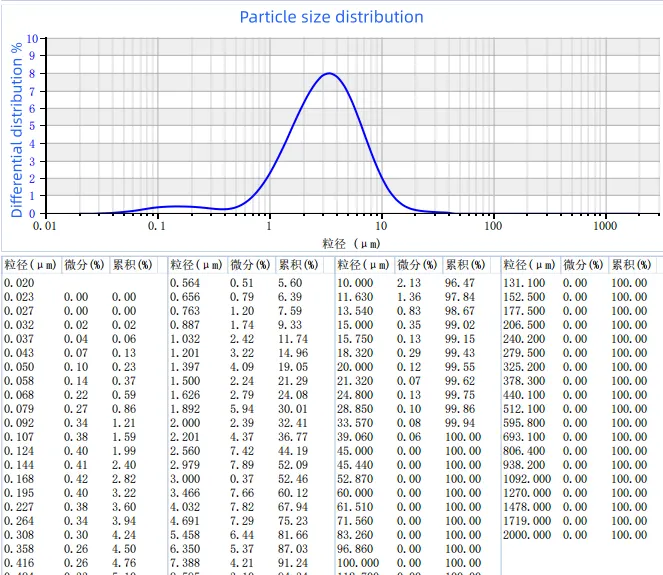
D50 ≈ ২.৮ μm। এটি একটি সংকীর্ণ, একশিখরবিশিষ্ট কণার আকার বন্টন। D90 < ৯ μm, কার্যত কোনো মোটা কণা অবশিষ্ট থাকে না। পণ্যটি গ্রাহকের প্রয়োগের প্রয়োজনীয়তা সম্পূর্ণরূপে পূরণ করে।.
প্রযুক্তিগত বিবরণ:
উপাদান: প্রাকৃতিক গ্রাফাইট
কণার আকার: D50 ২.৮ μm
উৎপাদন: ৫৭ কেজি/ঘণ্টা