
Bạn dành hàng tuần để tinh chỉnh quy trình nghiền. Kết quả phân tích D50 cho thấy sản phẩm hoàn hảo. Một tuần sau, khách hàng của bạn chạy thử một mẻ sản phẩm và gọi điện cho bạn về kết quả không nhất quán. Nguyên nhân thường là do sự vón cục của bột. Đối với các loại bột có kích thước dưới 30 μm, các hạt không hoạt động giống như vật liệu khối. Chúng dính lại với nhau, vón cục và mất đi những đặc tính mà bạn đã thiết kế cho chúng. Điều này ảnh hưởng đến năng suất, thông số kỹ thuật sản phẩm và lợi nhuận của bạn.
Dưới đây là những nguyên nhân thực sự gây ra hiện tượng này, và những phương pháp phân tán nào hiệu quả trong thực tế.
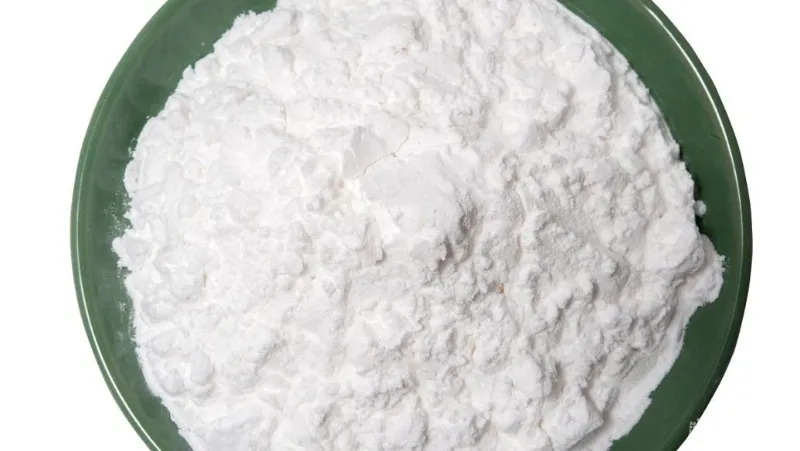
Ba lực vật lý gây ra hiện tượng vón cục bột
1. Lực Van der Waals
Khi nghiền nhỏ vật liệu xuống kích thước micromet hoặc nanomet, khoảng cách giữa các hạt sẽ giảm đi đáng kể. Ở phạm vi đó, lực van der Waals—vốn yếu ở quy mô vĩ mô—trở nên mạnh hơn lực hấp dẫn. Các hạt hút nhau. Chúng giữ chặt lấy nhau.
Hơn nữa, liên kết hydro trên bề mặt và nước hấp phụ hoạt động như chất kết dính phân tử. Một khi chúng hình thành, bạn không chỉ còn xử lý các hạt rời rạc nữa mà là các cụm liên kết với nhau.
2. Điện tích tĩnh điện
Quá trình mài mòn tạo ra ma sát. Ma sát tạo ra điện tích. Các bề mặt vết nứt mới mang điện tích dương hoặc âm, và các điện tích này không giữ được trạng thái cân bằng.
Các hạt mang điện không ổn định luôn tìm kiếm sự ổn định. Chúng tìm thấy các điện tích trái dấu, tiếp xúc tại các cạnh hoặc góc sắc nhọn và liên kết với nhau. Trong nhiều mạch nghiền khô, chỉ riêng tĩnh điện cũng có thể làm giảm hiệu suất thực tế xuống đến hai chữ số.
3. Độ ẩm trong không khí
Hãy theo dõi độ ẩm tương đối. Khi nó vượt quá mức đó... 65%, Hơi nước ngưng tụ giữa các hạt. Những cầu nối chất lỏng siêu nhỏ đó kéo các hạt lại gần nhau bằng lực mao dẫn mạnh hơn bạn tưởng.
Đây là lý do tại sao hầu hết các nhà máy sản xuất thuốc nổ đều thực hiện công đoạn sấy khô trước khi xử lý. Nếu bỏ qua bước này, bạn sẽ phải đối phó với độ ẩm trong suốt quá trình sản xuất tiếp theo.
Phương pháp phân tán
Không có giải pháp duy nhất. Cách tiếp cận đúng đắn hoàn toàn phụ thuộc vào việc bột của bạn ở dạng huyền phù hay dạng khô.
Phân tán pha lỏng
| Phương pháp | Cơ chế | Ưu điểm | Nhược điểm | Sử dụng điển hình |
|---|---|---|---|---|
| Cơ học (nghiền, trộn tốc độ cao) | Lực vật lý phá vỡ các cụm. | Đơn giản, trang thiết bị tiêu chuẩn. | Các hạt sẽ kết tụ lại khi lực cắt dừng lại; có thể làm vỡ các vật liệu giòn. | Sự phân rã ban đầu của các khối kết tụ lớn |
| Hóa chất (chất hoạt động bề mặt, polyme, chất điện giải) | Thay đổi điện tích bề mặt hoặc tạo ra cản trở không gian | Độ ổn định lâu dài — các hạt vẫn tách biệt. | Cần tiến hành thử nghiệm để lựa chọn chất phân tán phù hợp với thành phần hóa học của bột. | Hỗn hợp gốm, mực in cực âm pin, lớp phủ |
| Siêu âm | Hiện tượng xâm thực tạo ra sóng xung kích và các tia nước siêu nhỏ. | Hoạt động trên các cụm hạt nano mà không cần chất phụ gia. | Khó mở rộng quy mô vượt ra ngoài phạm vi nghiên cứu và phát triển; quá nhiệt có thể gây phản tác dụng. | Công việc trong phòng thí nghiệm, sản xuất theo lô nhỏ với giá trị cao. |
Bài học thực tiễn: Trong hầu hết các hệ thống chất lỏng công nghiệp, lực cơ học đơn thuần chỉ mang tính tạm thời. Bạn phá vỡ các cụm chất lỏng trong máy trộn, nhưng chúng lại hình thành trở lại trong bể chứa. Việc thêm chất phân tán hóa học phù hợp mới giúp quá trình tách chất lỏng được duy trì. Sự kết hợp đó—cơ học + hóa học—là điều chúng tôi thường khuyên dùng nhất.
Phân tán pha khí (khô)
| Phương pháp | Cơ chế | Ưu điểm | Nhược điểm | Sử dụng điển hình |
|---|---|---|---|---|
| Sấy khô bằng nhiệt | Loại bỏ các cầu nối chất lỏng bằng cách làm bay hơi hơi ẩm. | Đơn giản; cần thiết cho hầu hết các quy trình khô. | Chỉ khắc phục hiện tượng vón cục do độ ẩm; không có tác dụng gì đối với hiện tượng vón cục do tĩnh điện. | Xử lý sơ bộ đối với bột khô |
| Cơ khí (máy nghiền khí nén, máy phân loại) | Khí tốc độ cao hoặc các bộ phận quay tạo ra lực cắt và lực va đập. | Hoạt động trực tiếp trong quá trình nghiền/phân loại. | Các hạt kết tụ lại ngay lập tức sau khi ra khỏi máy. | Dây chuyền sản xuất liên tục |
| Hiện tượng tích điện tĩnh (phóng điện hào quang) | Nó làm cho tất cả các hạt có cùng điện tích nên chúng đẩy nhau. | Hiệu quả cao đối với các đám mây đơn phân tán | Cần thiết bị chuyên dụng; khó kiểm soát hơn. | Sơn tĩnh điện, phân loại tĩnh điện |
Đối với các quy trình khô, đừng bỏ qua bộ phân loại. Một bộ phân loại khí được hiệu chỉnh tốt sẽ chủ động loại bỏ các khối kết tụ khỏi dòng sản phẩm cuối cùng. Đó thường là giải pháp đơn giản hơn so với việc cố gắng phân tán chúng sau đó.
Bạn nên đi theo tuyến đường nào?
Trước tiên hãy trả lời bốn câu hỏi này:
- Ướt hay khô? Nếu bạn đang tạo hỗn hợp dạng sệt, hãy kết hợp hóa học và cơ học. Nếu bạn cần bột khô, hãy tập trung vào quá trình sấy và hiệu suất của máy phân loại.
- Kích thước hạt của bạn là bao nhiêu? Ở kích thước dưới 1 micron, các phương pháp siêu âm hoặc tĩnh điện trở nên phù hợp hơn. Trên kích thước đó, các phương pháp cơ học và hóa học thường là đủ.
- Năng suất của bạn là bao nhiêu? Công nghệ cơ học và hóa học có thể đạt công suất hàng tấn mỗi giờ. Công nghệ siêu âm thì chưa thể đạt được điều đó.
- Bạn có thể dung nạp các chất phụ gia không? Nếu độ tinh khiết là yếu tố quan trọng (dược phẩm, điện tử), bạn sẽ tránh sử dụng chất phân tán hóa học và thay vào đó dựa vào các phương pháp vật lý.
Hãy chọn phương án phù hợp với các ràng buộc của quy trình của bạn.
Bột Epic
Bột Epic,Với hơn 20 năm kinh nghiệm trong ngành công nghiệp bột siêu mịn, chúng tôi tích cực thúc đẩy sự phát triển tương lai của bột siêu mịn, tập trung vào các quy trình nghiền, xay, phân loại và cải tiến bột siêu mịn. Hãy liên hệ với chúng tôi để được tư vấn miễn phí và các giải pháp tùy chỉnh! Đội ngũ chuyên gia của chúng tôi cam kết cung cấp các sản phẩm và dịch vụ chất lượng cao nhằm tối đa hóa giá trị trong quá trình chế biến bột của bạn.
Nếu bạn đang gặp vấn đề về sự kết tụ và không chắc chắn phương pháp nào phù hợp với vật liệu của mình, chúng tôi có thể giúp đỡ. Hãy gửi cho chúng tôi một mẫu bột. Chúng tôi sẽ xử lý mẫu đó bằng thiết bị phòng thí nghiệm (máy nghiền khí nén, máy phân loại, máy điều chỉnh bề mặt), đo hiệu quả phân tán và đưa ra khuyến nghị về quy trình dựa trên dữ liệu. Hoàn toàn miễn phí. Không ràng buộc. Chỉ có số liệu thực tế.
Liên hệ chúng tôi để kiểm tra vật liệu: https://www.epicmilling.com/contact-us/
Hoặc xem qua dòng sản phẩm thiết bị của chúng tôi: https://www.epicmilling.com/powder-machinery/

“Cảm ơn bạn đã đọc. Tôi hy vọng bài viết của tôi hữu ích. Vui lòng để lại bình luận bên dưới. Bạn cũng có thể liên hệ với đại diện chăm sóc khách hàng trực tuyến của EPIC Powder. Zelda Nếu có bất kỳ thắc mắc nào khác, vui lòng liên hệ.”
— Jason Wang, Kỹ sư