
ИНФОРМАЦИЯ О КЛИЕНТЕ
Заказчиком является средний по размеру производитель экологически чистых огнестойких материалов, расположенный в городе Цзибо, провинция Шаньдун. Цзибо — один из крупнейших китайских центров по производству современных материалов на основе алюминия, где сосредоточена вся производственная цепочка от выплавки глинозема до производства огнестойких добавок на основе гидроксида алюминия и тонкой керамики. Регион обладает развитой сетью поставок и эффективной логистикой.
Компания производит микронные огнезащитные составы на основе гидроксида алюминия для проводов и кабелей, резиновых изделий, компаундов для заливки электроники и строительных материалов. В последние годы конечные потребители повысили требования к однородности размера частиц и диспергируемости, и существующий порошок компании больше не мог соответствовать требованиям рынка высокотехнологичной продукции.
ТРЕБОВАНИЯ К ПРОЕКТУ
Используемое заказчиком сырье на основе гидроксида алюминия имело чрезмерно широкое распределение частиц по размерам. Размер частиц D97 достигал 104 мкм, а D100 — около 200 мкм, при этом значительную долю составляли крупные частицы. Эти частицы большого размера вызывали неравномерное распределение при смешивании антипирена с полимерными матрицами, что напрямую снижало эффективность огнезащиты и качество поверхности готовой продукции.
У заказчика была четкая цель: снизить размер частиц D97 до менее 50 мкм за счет точной классификации, сузить распределение по размерам и увеличить удельную площадь поверхности, обеспечивая тем самым более стабильное сырье для последующих потребителей.
РЕШЕНИЕ
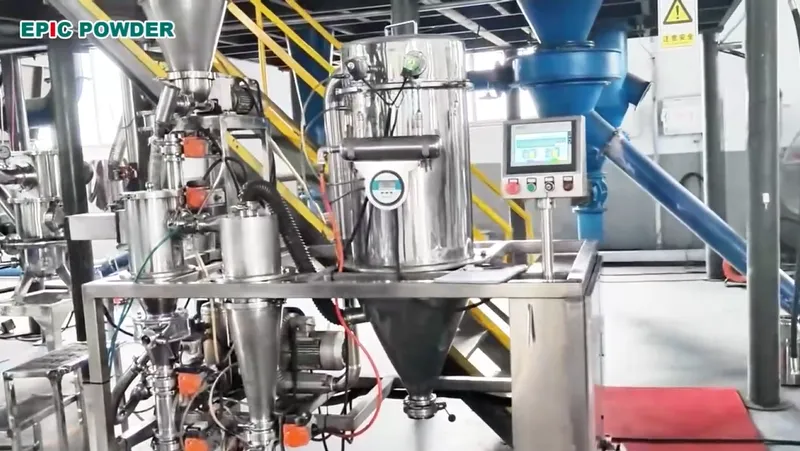
После анализа свойств материала техническая группа EPIC Powder рекомендовала высокоточные материалы компании. воздушный классификатор. Данная установка имеет многоступенчатую турбинную классификационную конструкцию, обеспечивающую четкое разделение частиц за счет независимой регулировки скорости вращения ротора и расхода воздуха в системе. Она особенно хорошо подходит для неметаллических минералов, таких как гидроксид алюминия, которые обладают умеренной плотностью и хорошей текучестью.
Испытания проводились в лаборатории применения порошковых материалов EPIC с использованием воды в качестве дисперсионной среды. Для сравнения образцов до и после классификации использовался лазерный анализатор размера частиц.
РЕЗУЛЬТАТЫ КЛАССИФИКАЦИИ
Основные показатели эффективности:
25,6% — снижение D50 60,5% — снижение D97 32,3% — увеличение удельной площади поверхностиПодробное сравнение:
| Параметр | До | После | Изменять |
| D50 (мкм) | 17.21 | 12.81 | ↓ 25.6% |
| D97 (мкм) | 104.18 | 41.17 | ↓ 60.5% |
| D100 (мкм) | 191.47 | 59.23 | ↓ 69.1% |
| Охватывать | 3.53 | 2.25 | ↓ 36.2% |
| Средний объем D(4,3) (мкм) | 26.40 | 15.13 | ↓ 42.7% |
| Удельная площадь поверхности (м²/кг) | 377.7 | 499.5 | ↑ 32.3% |
Основной вывод: После классификации частицы размером более 60 мкм были практически полностью исключены. Значение D100 снизилось со 191 мкм до 59 мкм. Ширина распределения (Span) сузилась с 3,53 до 2,25, что значительно улучшило однородность порошка. Удельная площадь поверхности увеличилась с 377,7 м²/кг до 499,5 м²/кг — почти на треть — что напрямую способствует увеличению площади контакта между антипиреном и полимерной матрицей, а это, в свою очередь, приводит к повышению эффективности огнезащиты.
ОТЗЫВЫ КЛИЕНТОВ
Заказчик выразил высокую степень удовлетворенности классифицированными образцами и полным отчетом об анализе размера частиц. Технические характеристики полномасштабного производственного оборудования подтверждены, и в настоящее время ведется процесс закупки. Этот успешный проект также позволил разработать проверенный процесс классификации, который могут использовать другие компании в кластере алюминиевых материалов Цзибо.
EPIC Powder — Комплексные решения для сверхтонкого измельчения и классификации порошков.
www.epicmilling.com | [email protected]
Ошибка: Контактная форма не найдена.