
Шлифовальные станки для сверхтонкого графитового порошка
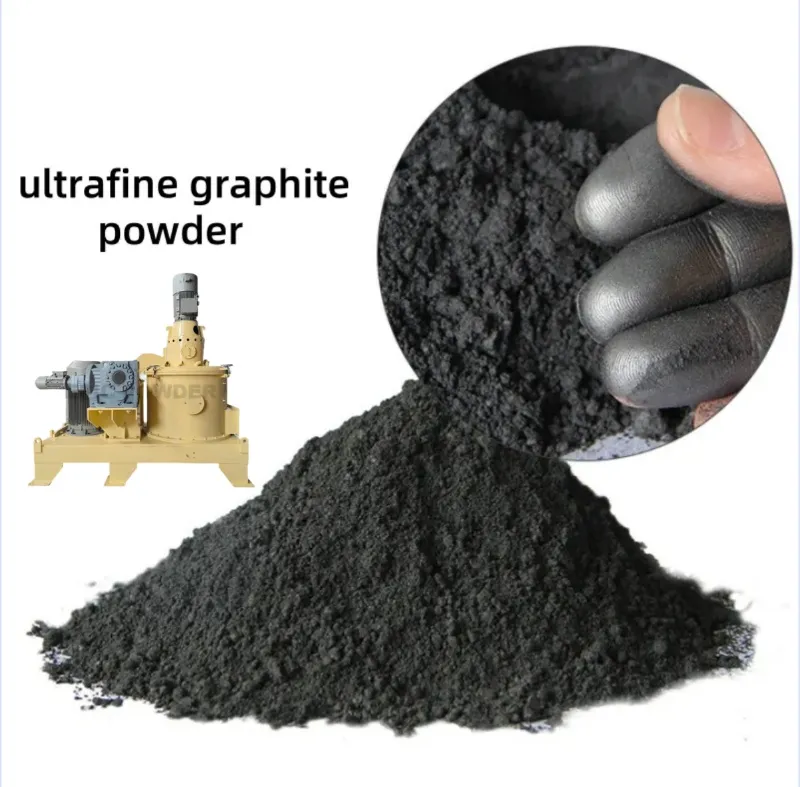
Graphite is an important non-metallic mineral. It has many properties: electrical conductivity, thermal conductivity, high-temperature resistance, thermal shock resistance, chemical stability, lubrication, and plasticity. Because of these features, it is widely used in metallurgy, machinery manufacturing, electrical, chemical, and nuclear industries. With the development of the graphite industry, the development of deep processing technologies and […]
Применение и упрочняющая роль оксида алюминия

Aluminium oxide (Al₂O₃) is one of the most common and widely used inorganic materials. It is the main raw material for aluminum production. At the same time, it plays an important role in advanced ceramics, abrasives, and catalyst supports. With properties such as high temperature resistance, corrosion resistance, hardness, and insulation, aluminium oxide is applied […]
Пиролизный технический углерод: стратегии модификации и перспективы применения.

Pyrolysis carbon black (also known as recovered carbon black, rCB) is a solid product obtained from high-temperature pyrolysis of waste tires, waste rubber, and other organic wastes under oxygen-free or oxygen-limited conditions. Difference from Conventional Carbon Black Conventional Carbon Black: Produced by incomplete combustion of petroleum or natural gas. The process is controlled, yielding uniform […]
Объем пор пористого углерода – огромный мир внутри малых пор
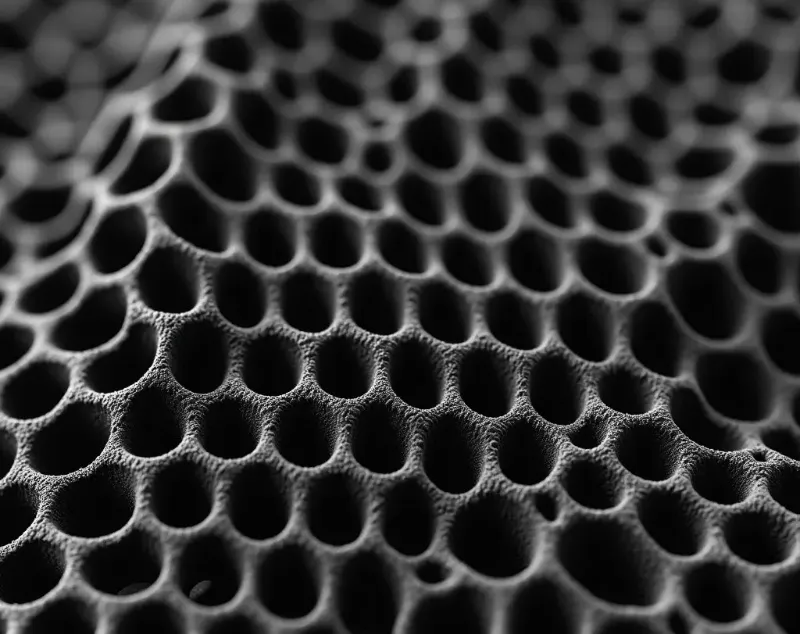
In the research and application of lithium batteries, selecting and designing anode materials is crucial for enhancing battery performance. Among these materials, porous carbon has gained widespread attention. This is due to its excellent electrochemical properties, good conductivity, and adjustable pore structure. This article will explore the significant role of the “small pores” in porous […]
Агломерация ультрадисперсных порошков: причины и технологии диспергирования.
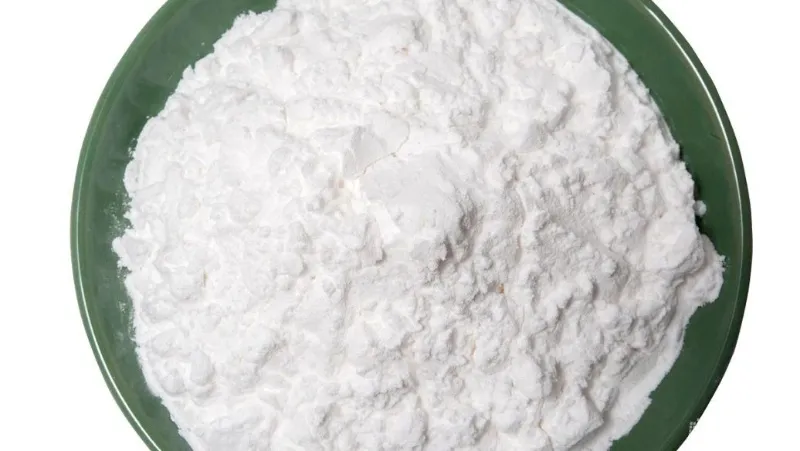
Вы тратите недели на настройку процесса измельчения. Показатель D50 на анализаторе выглядит идеально. Неделю спустя ваш клиент производит партию и звонит вам по поводу нестабильных результатов. Обычно причиной является агломерация порошка. Для порошков с размером частиц менее 30 мкм частицы ведут себя не так, как сыпучие материалы. Они слипаются, образуют комки и теряют свои свойства […]
Revealing the Five Golden Indicators of Lithium Battery Slurry!
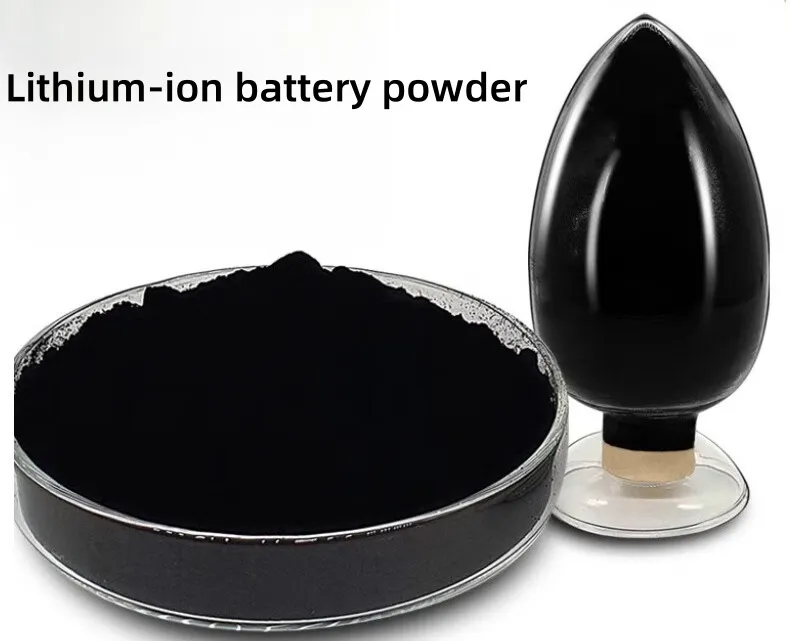
Slurry is the core raw material in electrode manufacturing. Its quality directly determines the energy density, cycle life, and safety performance of batteries. Today, we break open the “technical black box” and explain in the simplest terms the five key indicators of lithium battery slurry—helping you instantly judge battery quality. Solid Content: The “Invisible Switch” […]
Comparative Study of Air Jet Mill and Mechanical Mill Technologies
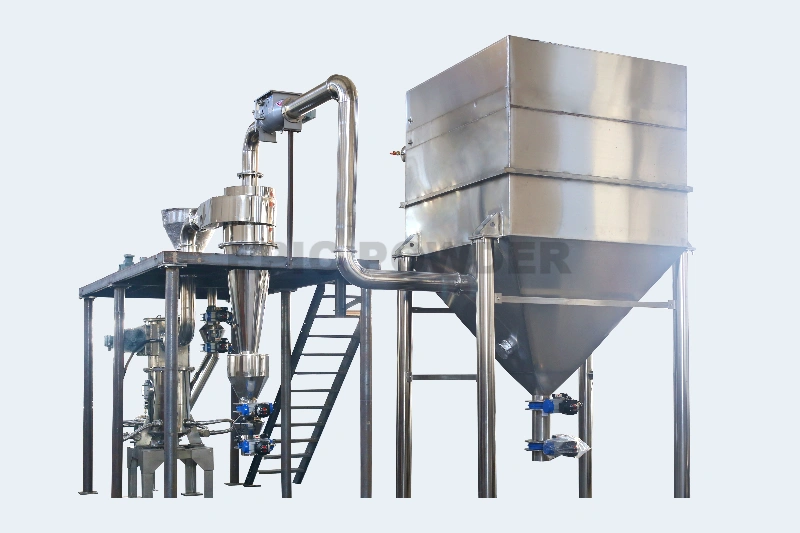
В области порошковой инженерии технология измельчения напрямую влияет на распределение частиц по размерам, морфологию частиц и эффективность производства. По состоянию на 2025 год пневматическая мельница и механическая мельница остаются двумя основными промышленными системами. В данной статье представлено систематическое сравнение с точки зрения принципов работы, энергоэффективности и контроля размера частиц. Сравнение принципов работы оборудования […]
Почему шлифовка важна при производстве кварца высокой чистоты?

High Purity Quartz (HPQ) is a quartz raw material with extremely high SiO₂ content and very low impurities. The required SiO₂ content usually exceeds 99.99%. Thanks to its excellent thermal stability, very low thermal expansion coefficient, and extremely high purity, HPQ is widely used in semiconductors, photovoltaics, new displays, optical communications, and high-end quartz glass […]
Технологии глубокой переработки каолинита: очистка, тонкое измельчение, кальцинирование и модификация.
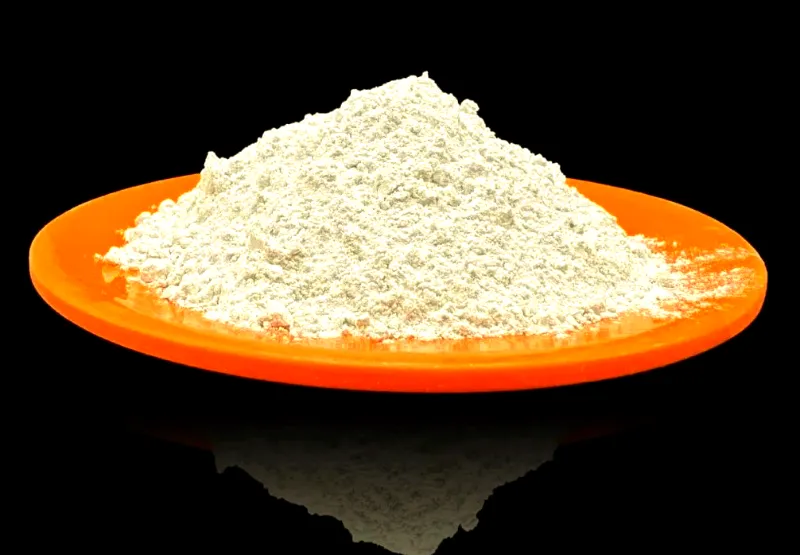
Глубокая переработка каолинита — это серия обработок, направленных на улучшение качества, характеристик и добавленной стоимости каолина для удовлетворения специфических требований различных отраслей промышленности. Основные технологии глубокой переработки каолинита включают в себя: Технологии очистки и отбеливания; Физическая очистка: Этот метод использует различия в физических свойствах, таких как размер частиц, плотность и т.д.