
Il molibdato di ammonio (che comprende principalmente dimolibdato di ammonio, tetramolibdato di ammonio ed eptamolibdato di ammonio) è un importante intermedio nella lavorazione profonda del molibdeno. È ampiamente utilizzato nella produzione di polvere di molibdeno, triossido di molibdeno, catalizzatori, prodotti a base di molibdeno metallico e fertilizzanti agricoli a base di molibdeno.
Durante la produzione di molibdato di ammonio, l'agglomerazione rappresenta da tempo una sfida persistente per l'industria. Questo problema è particolarmente evidente durante la cristallizzazione per evaporazione, l'essiccazione e il successivo processo di riduzione dell'idrogeno utilizzato per produrre polvere di molibdeno.
L'agglomerazione si manifesta principalmente in diversi modi. Durante la cristallizzazione, le particelle tendono ad aderire tra loro, dando luogo a una struttura ampia e irregolare. dimensione delle particelle Distribuzione. Dopo l'essiccazione, il materiale forma facilmente grumi o pani duri. Inoltre, il molibdato di ammonio è altamente igroscopico e assorbe facilmente l'umidità, il che favorisce ulteriormente l'agglomerazione.
Questi problemi incidono significativamente sulle prestazioni del prodotto. Riducono la fluidità e l'uniformità granulometrica e possono anche influenzare la purezza. Nelle applicazioni a valle, come la produzione di polvere di molibdeno, l'agglomerazione può portare a una riduzione non uniforme dell'idrogeno e a particelle sovradimensionate. Di conseguenza, le proprietà chiave della polvere di molibdeno, come la granulometria Fisher, la densità apparente e le prestazioni catalitiche, vengono influenzate negativamente.
Le soluzioni tradizionali includono la setacciatura, la macinazione a sfere o l'aggiunta di agenti antiagglomeranti. Tuttavia, questi metodi spesso offrono miglioramenti limitati. Possono anche introdurre impurità o aumentare la complessità del processo.

Principi e vantaggi di Fresatura a getto
Fresatura a getto (nota anche come fresatura a getto d'aria o fresatura a getto a letto fluido) è una tecnologia di macinazione ultrafine a secco che utilizza aria compressa ad alta pressione o vapore surriscaldato per generare un flusso d'aria supersonico (300–500 m/s). All'interno della camera di macinazione, le particelle si scontrano, sfregano e si tagliano ad alta velocità, ottenendo sia la riduzione delle dimensioni che la disagglomerazione.
Questa tecnologia è particolarmente adatta per materiali termosensibili, igroscopici o facilmente agglomeranti. I suoi principali vantaggi includono:
- Deagglomerazione altamente efficace: Le collisioni tra particelle ad alta energia possono rompere in modo efficiente sia gli agglomerati morbidi che quelli duri, ripristinando la distribuzione granulometrica originale, con un'efficienza di deagglomerazione che si avvicina a 100%.
- Lavorazione a bassa temperatura: La generazione minima di calore lo rende ideale per materiali a basso punto di fusione o sensibili al calore, impedendo ulteriore agglomerazione o decomposizione termica.
- Controllo preciso delle dimensioni delle particelle: Produce particelle uniformi con una distribuzione granulometrica ristretta, superfici lisce ed eccellente disperdibilità.
- Pulito e privo di contaminazioni: Funzionamento chiuso con usura minima del metallo, adatto per lavorazioni sterili o ad alta purezza.
- Adatto per materiali igroscopici: Molti composti altamente igroscopici (tra cui alcuni composti di molibdeno) vengono normalmente lavorati mediante fresatura a getto per la deagglomerazione e la micronizzazione.
Nel settore della lavorazione delle polveri, la macinazione a getto ha ampiamente dimostrato la sua efficacia nel risolvere i problemi di agglomerazione di materiali quali nanoossido di zinco, biossido di titanio e idrossido di alluminio, migliorando significativamente la dispersione e le prestazioni applicative.
Potenziale applicativo di Fresatura a getto nella produzione di molibdato di ammonio
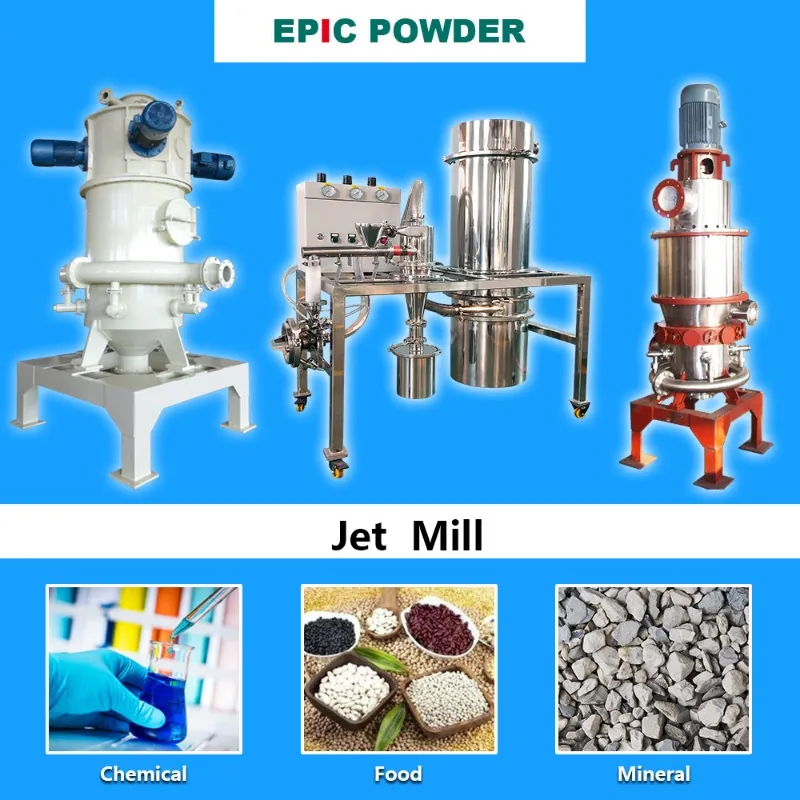
Tradizionalmente, la lavorazione del molibdato di ammonio si basa spesso su mulini a sfere (come i mulini a sfere orizzontali con agitazione) per ridurre gli agglomerati di grandi dimensioni. Tuttavia, la macinazione a sfere può introdurre contaminazione metallica, generare calore ed è generalmente meno efficace della macinazione a getto nella rottura degli agglomerati morbidi. La ricerca e la pratica industriale indicano che:
- I composti di molibdeno (compresi alcuni sali di molibdato) tendono ad agglomerarsi dopo l'essiccazione a spruzzo o la lavorazione a umido, e la fresatura a getto può efficacemente riportarli a uno stato monodisperso, anche fino all'intervallo submicronico.
- Nella lavorazione a monte per la produzione di polvere di molibdeno, il molibdato di ammonio richiede una granulometria controllata (ad esempio, granulometria Fisher di 6-22 μm). La macinazione a getto può soddisfare accuratamente queste specifiche, rompendo gli agglomerati e migliorando l'efficienza di riduzione dell'idrogeno a valle.
- Per il molibdato di ammonio igroscopico, le basse temperature e l'ambiente secco della macinazione a getto riducono l'agglomerazione indotta dall'umidità. In combinazione con la protezione con gas inerte, la stabilità del prodotto può essere ulteriormente migliorata.
Casi pratici industriali dimostrano che composti di molibdeno igroscopici simili vengono spesso micronizzati mediante macinazione a getto. Ciò si traduce in un significativo miglioramento della fluidità, dell'uniformità delle particelle e delle prestazioni catalitiche. Applicata alle linee di produzione del molibdato di ammonio, la macinazione a getto può essere installata dopo la cristallizzazione e l'essiccazione o prima della fase di riduzione. In questo ruolo, funge da fase di deagglomerazione dedicata. Può sostituire parzialmente i tradizionali processi di setacciatura e macinazione a sfere, semplificando così il processo complessivo e migliorando al contempo la qualità del prodotto.
Conclusione: La fresatura a getto come soluzione efficace
La macinazione a getto è una soluzione efficace al problema dell'agglomerazione persistente nella produzione di molibdato di ammonio. Rompe efficacemente gli agglomerati e migliora la distribuzione granulometrica e la disperdibilità della polvere. Allo stesso tempo, preserva la purezza del materiale e la stabilità termica. Ciò lo rende particolarmente adatto alla natura igroscopica e termosensibile del molibdato di ammonio.
Grazie ai continui progressi nella tecnologia di lavorazione delle polveri, si prevede un aumento dell'integrazione della macinazione a getto nella produzione di molibdato di ammonio. In combinazione con processi come la cristallizzazione per evaporazione continua e la modifica superficiale, la macinazione a getto favorirà una migliore qualità del prodotto e una maggiore uniformità. Ciò aumenterà la competitività in applicazioni come catalizzatori, polvere di molibdeno e prodotti a base di molibdeno sottoposti a profonda lavorazione.
In futuro, un'ulteriore ottimizzazione dei parametri operativi, come la pressione dell'aria e i metodi di alimentazione, potrebbe consentire alla fresatura a getto di diventare una soluzione standardizzata nella produzione di molibdato di ammonio.

Grazie per aver letto. Spero che il mio articolo ti sia utile. Lascia un commento qui sotto. Puoi anche contattare il rappresentante del servizio clienti online di Zelda per qualsiasi ulteriore domanda.
— Pubblicato da Emily Chen