
comment déterminer l'adéquation des matériaux au fraisage par jet d'air
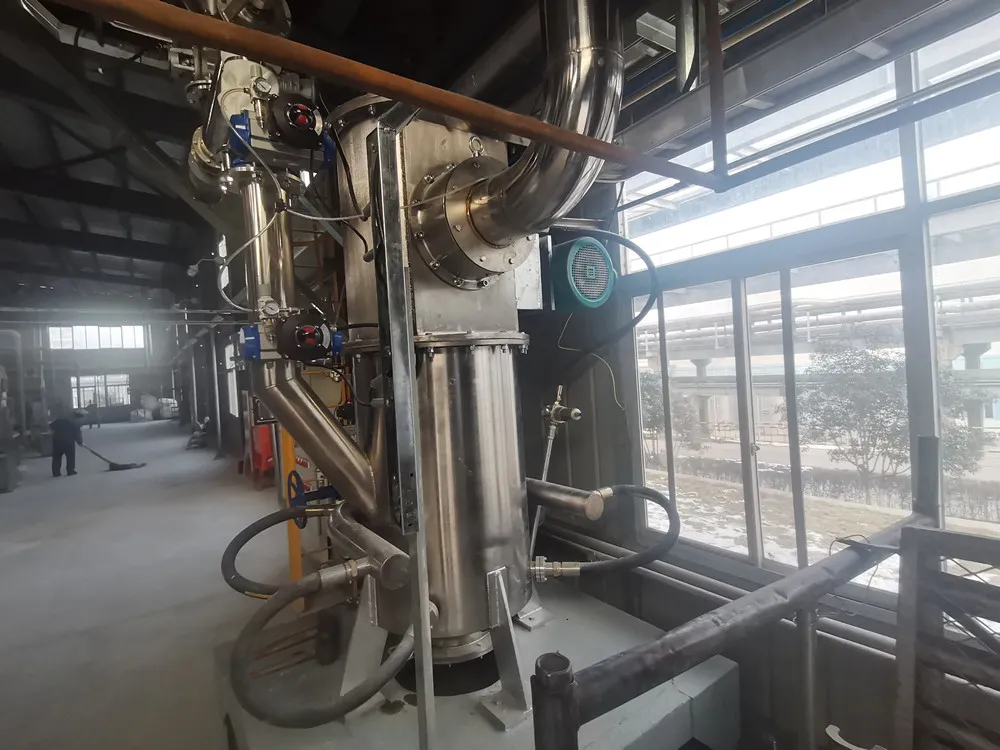
Jet milling relies heavily on the physical properties of the material you process. Characteristics like brittleness and hardness directly influence the ability to achieve fine particle sizes. Moisture content also plays a critical role, as excessive moisture can hinder performance and lead to clumping. Selecting the right material ensures efficient milling and consistent product quality. […]
Que peut faire de plus le broyeur à jet d'air pour les utilisateurs en explorant constamment son espace vertical ?
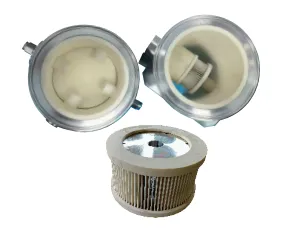
The working principle of the air jet grinder is like an “air storm” in the microscopic world. Air jet mill cleverly uses high-pressure air as a power source. It drives tiny, hard abrasive particles at high speed, like bullets, at the material to be processed. A huge impact force hits the surface when these abrasive […]
Un bref aperçu des applications et des tendances de développement des revêtements en poudre
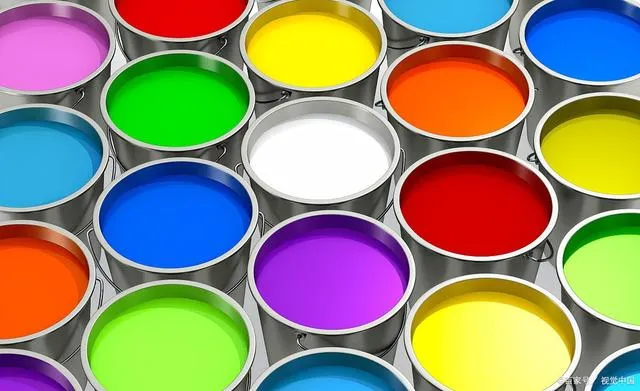
With the push for environmental protection, firms must develop eco-friendly coatings. But, eco-friendly coatings aren’t limited to water-based ones. If enterprises rush to develop water-based coatings, product homogeneity will inevitably occur. Besides water-based coatings, high-solid, solvent-free, and powder coatings are also eco-friendly. They should be the key development focus of the coatings industry. A report […]
Quels sont les principaux avantages du broyage par jet d'air par rapport aux autres méthodes de réduction de la taille des particules ?
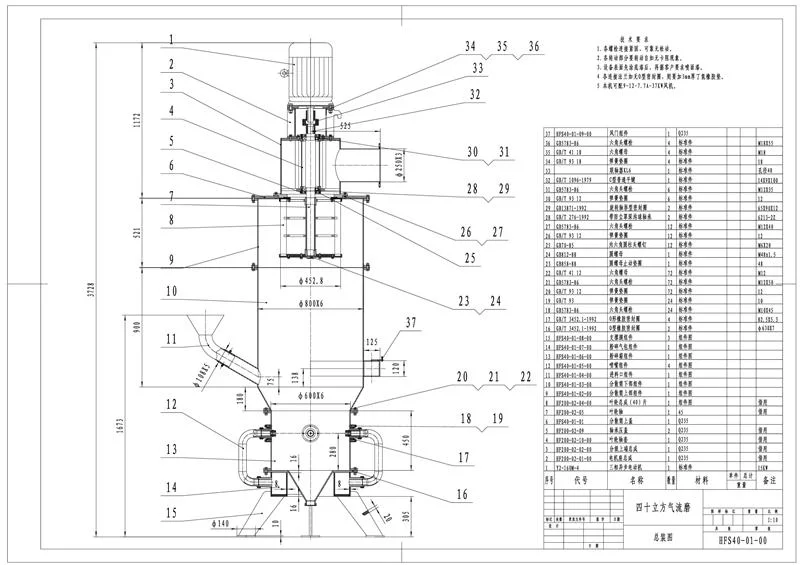
Jet milling is a highly effective technique for particle size reduction that offers several distinct advantages compared to traditional milling methods. It is better than traditional methods like ball mill, air classifier mills, or hammer milling. How Jet Milling Works The jet mill is an advanced particle size reduction device. It has a unique working […]
Découvrez différentes poudres céramiques dans un seul article.
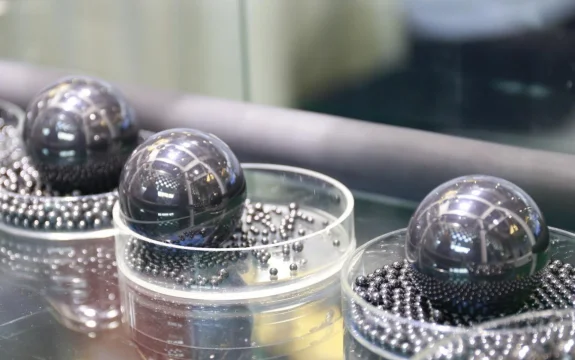
Advanced ceramics excel in many properties. They have mechanical, acoustic, optical, thermal, electrical, and biological qualities. They are used in high-end tech fields like aerospace, electronics, and biomedicine. They are also used in advanced manufacturing. There are many types of advanced ceramics. Each type has its own traits. For example, alumina ceramics resist oxidation. Silicon […]
Quel est l'effet de la taille des particules de sulfate de baryum sur les revêtements ?
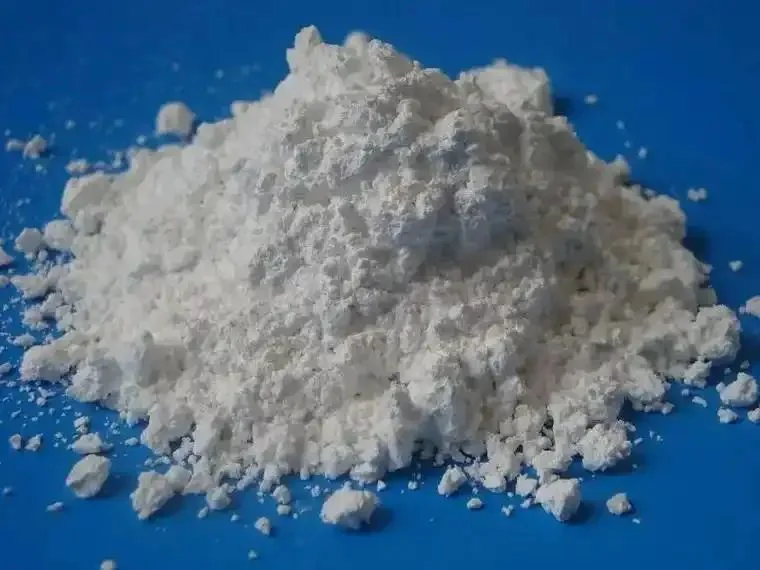
Barium sulfate, as an inorganic pigment, is widely used in the coating industry. It reflects well at 300-400 microns. It prevents light aging from damaging the paint film. It is an efficient white matte stabilizer. Its unique needle-like crystal structure gives it excellent matte properties. It can also enhance the coating’s leveling. Also, barium sulfate’s […]
Classification et introduction aux applications des équipements d'alimentation en poudre
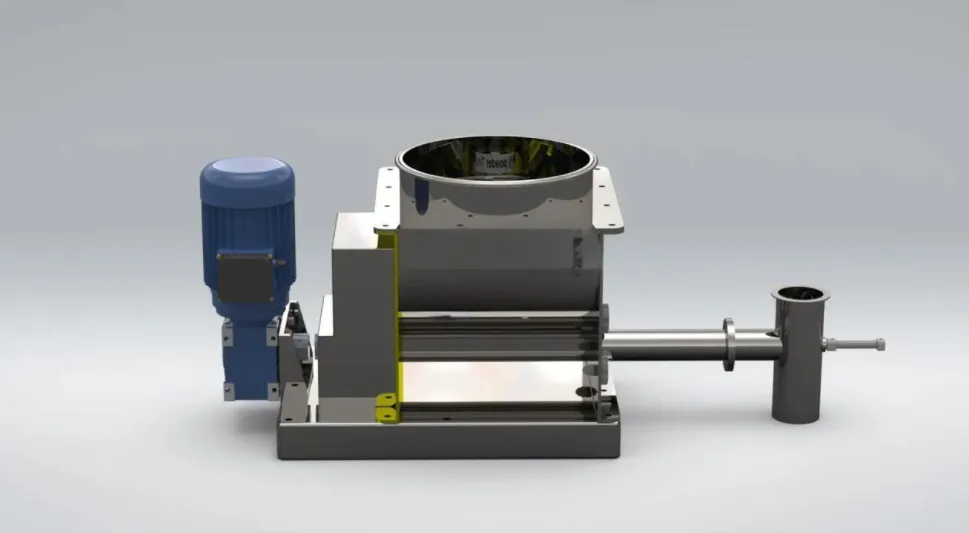
Powder feeding equipment is vital. It conveys powder materials to the production process, accurately and evenly. Feeding equipment is vital to the silo system. It also conveys materials over short distances. Due to different purposes of use, it is also called a feeder, a feeder or a discharger. It is usually installed at the silo’s […]
Comment améliorer le phénomène d'agglomération de la poudre d'alumine à petites particules ?
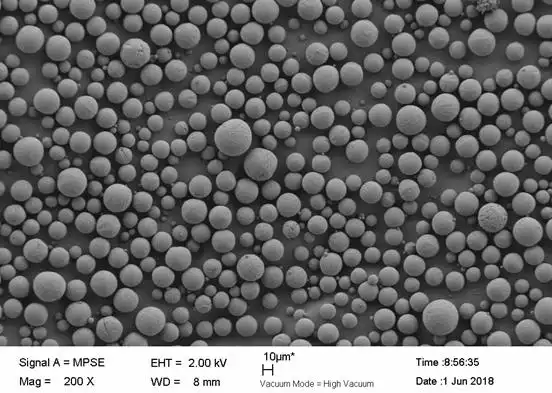
Small particle alumina powder has unique properties. It is used in ceramics, chemicals, electronics, and other fields. However, in practical applications, small-particle alumina powder is prone to agglomeration. Agglomeration is when powder particles stick together and form larger clumps. This can happen during the storage, transport, or use of powdered materials. This affects its performance. […]
Analyse détaillée des applications industrielles de la barytine
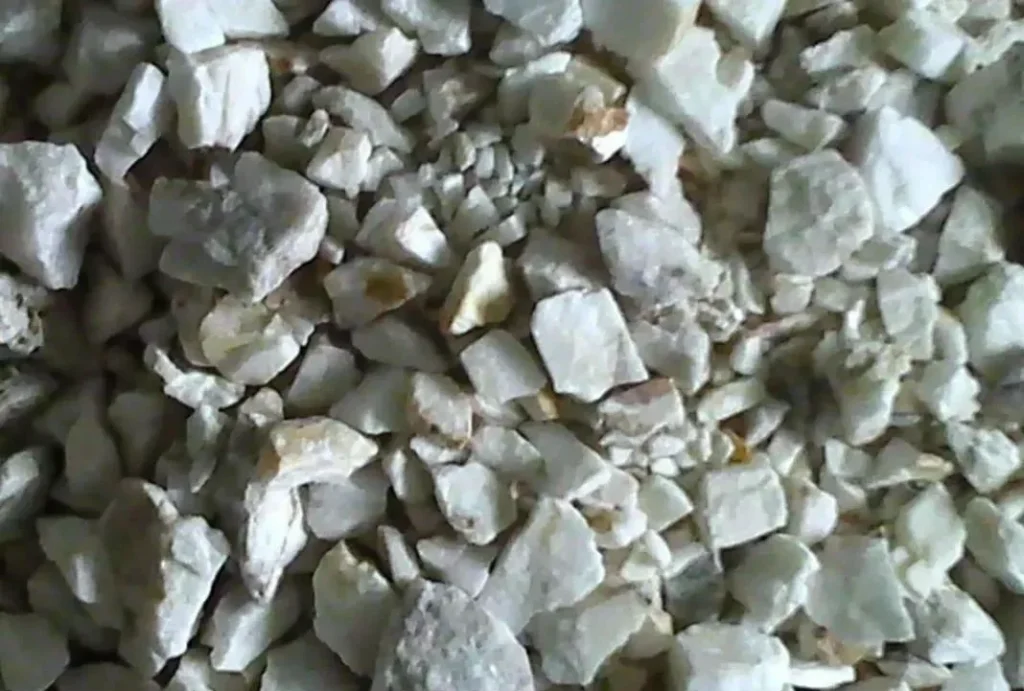
Barite is the most common barium mineral. It is barium sulfate. It is often found in low-temperature hydrothermal veins, like quartz-baryte and fluorite-baryte veins. It is often associated with galena, sphalerite, chalcopyrite, and cinnabar. Most barite deposits in my country are in Hunan, Guangxi, Qinghai, and Jiangxi. They are mostly huge hydrothermal single mineral veins. […]