
Quelle est la différence entre le cacao en poudre naturel et le cacao traité à la néerlandaise ?
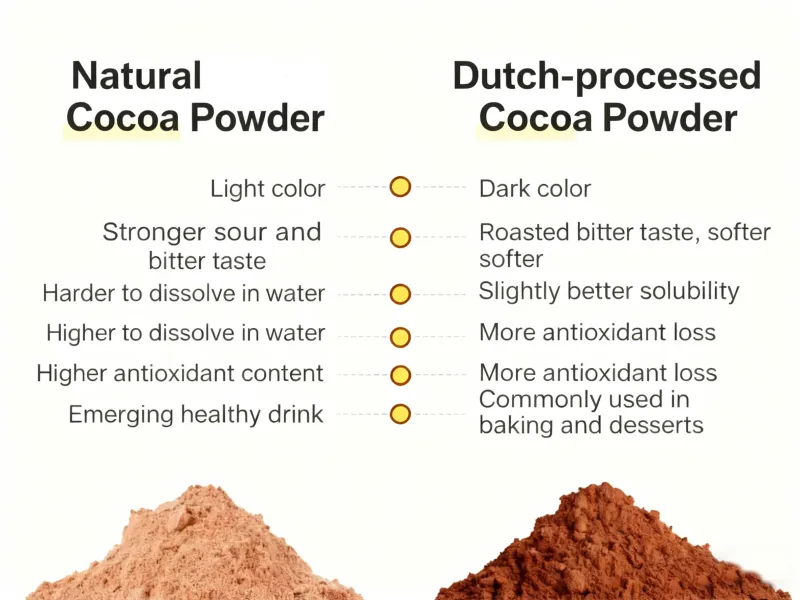
Cocoa powder is one of the most essential ingredients in chocolate production, baking, and beverage preparation. It not only determines the flavor depth and color intensity but also directly affects the final product’s texture and appearance. Among all the parameters of cocoa powder, the most frequently mentioned distinctions are “Natural Cocoa Powder” and “Dutch-processed Cocoa […]
Que faut-il savoir sur le noir de carbone de pyrolyse ?
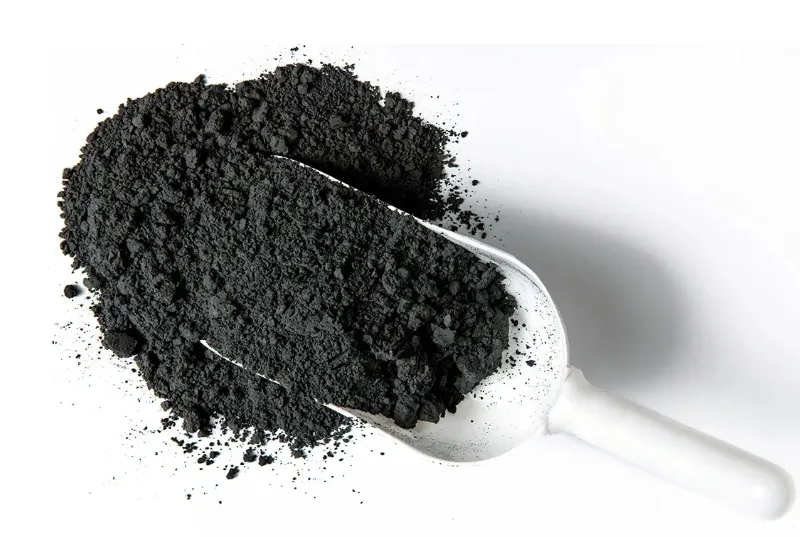
Q:What Is Pyrolysis Carbon Black? Pyrolysis carbon black (commonly referred to as PCB, Pyro-CB, or rCB) is the solid carbon black product obtained from the pyrolysis of waste tires, waste rubber, or other carbon-rich polymer materials.During pyrolysis (typically at 450–900°C under oxygen-deficient or low-oxygen conditions), the industrial carbon black originally present in tires (such as […]
Recherche sur la technologie de pulvérisation pyrolytique du noir de carbone

Pyrolytic Carbon Black (PCB) is a type of carbon black obtained through pyrolysis of organic materials like waste rubber and plastic. It has a high specific surface area and strong physicochemical stability. It is widely used in industries such as tires, rubber, plastics, coatings, and inks. It serves as a blackening agent, filler, or conductive […]
Comment améliorer l'hydrophilie des particules de poudre de noir de carbone ?
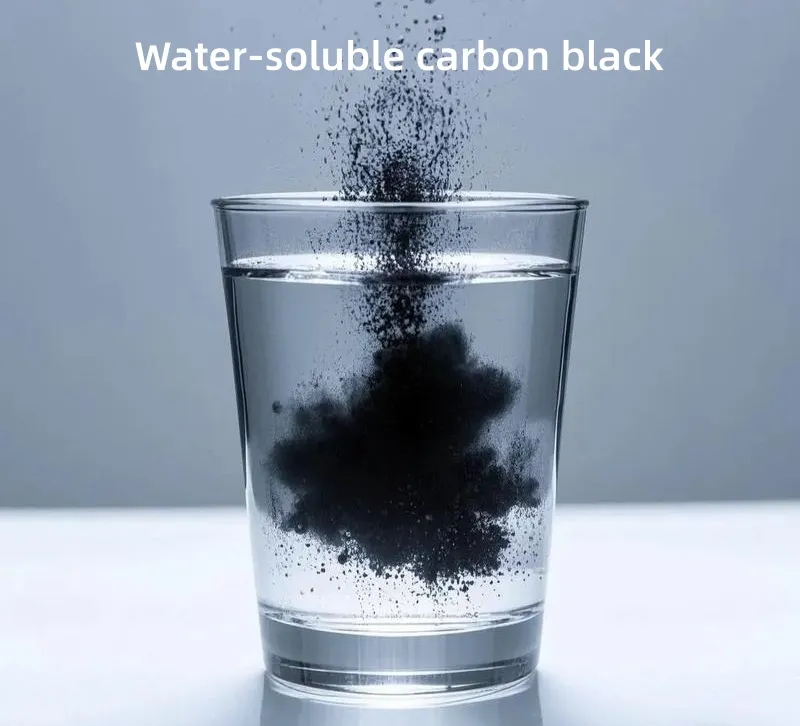
Enhancing the hydrophilicity of carbon black powder particles is key to improving their dispersion stability in water and increasing compatibility with polar media. This is crucial in fields such as coatings, inks, and rubber composites. Surface Chemical Modification Oxidation Modification Grafting Modification Physical Coating and Dispersant Modification Polymer Coating Dispersant Application Process Optimization and Auxiliary […]
Comparison of White Carbon Black and Carbon Black
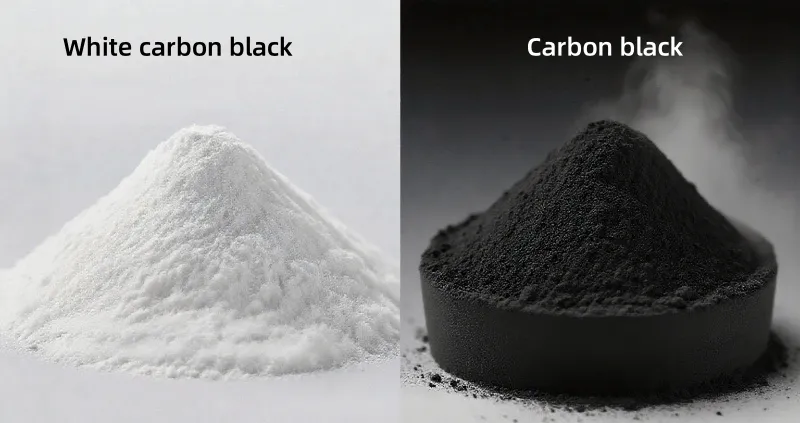
In the field of powder materials, white carbon black (precipitated silica) and carbon black are two important inorganic functional fillers. Although their names are similar, they differ significantly in structure, properties, preparation methods, and applications. In many industries, they not only demonstrate unique advantages but also complement each other. Basic Concepts and Properties White Carbon […]
Noir de carbone de pyrolyse : stratégies de modification et perspectives d’application

Pyrolysis carbon black (also known as recovered carbon black, rCB) is a solid product obtained from high-temperature pyrolysis of waste tires, waste rubber, and other organic wastes under oxygen-free or oxygen-limited conditions. Difference from Conventional Carbon Black Conventional Carbon Black: Produced by incomplete combustion of petroleum or natural gas. The process is controlled, yielding uniform […]
Broyage de l'amidon modifié et de l'ACM : la clé pour améliorer les applications alimentaires et industrielles

Starch, a crucial natural polysaccharide, is widely used in food processing, papermaking, textiles, pharmaceuticals, and chemicals. However, traditional starch often cannot meet the physical and chemical demands of modern industries. To address this, modified starch has been developed. By using physical, chemical, or enzymatic methods to ModifiedStarch, its functional properties can be enhanced, allowing it […]
Le rôle clé du broyeur à classification pneumatique dans le traitement des poudres protéiques
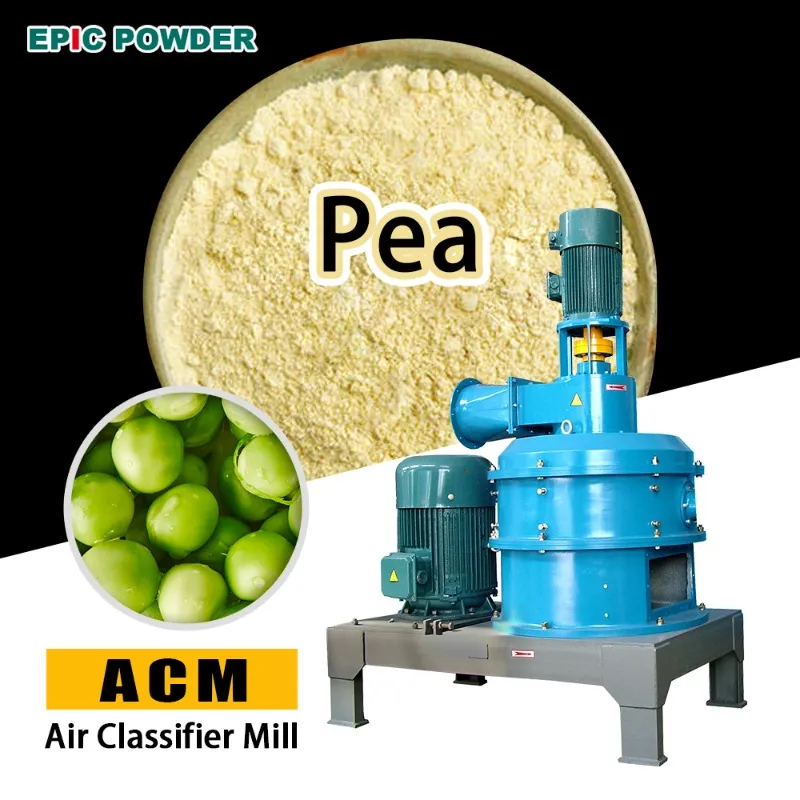
The global food supply chain is undergoing significant changes, driven by rising population and increasing demand for sustainable protein sources. Traditional livestock farming, which requires vast amounts of land and water, can no longer meet this demand alone. As a result, alternative protein sources—such as plant-based, mushroom, insect, algae, and bacterial fermentation biomass—are becoming crucial […]
Le charme caché de l'amidon de riz : petites particules, grand potentiel

Among all known grains, rice starch has the smallest particle size, with an average diameter of only 2-8 μm. In comparison, corn starch ranges from 5-25 μm, wheat starch from 2-45 μm, sorghum starch from 5-25 μm, and potato starch from 15-100 μm. The small particle size and high specific surface area of rice starch […]