
La barita (compuesta principalmente de BaSO₄) es un importante recurso mineral no metálico. Se caracteriza por su alta densidad (4,2–4,6), fuerte inercia química, resistencia a ácidos y álcalis, y no toxicidad. Tradicionalmente, entre 80 y 90 TP3T de barita se utilizan como agente densificante en fluidos de perforación de petróleo y gas. La porción restante se aplica como materia prima química o relleno industrial. Sin embargo, el procesamiento convencional está dominado por la molienda gruesa (200–325 mallas), lo que resulta en un bajo valor añadido. Los productos se exportan principalmente como mineral en bruto o polvo de grado primario, lo que conlleva una baja eficiencia en la utilización de recursos y beneficios económicos limitados. Con las crecientes exigencias de rendimiento en las industrias modernas, la molienda fina, especialmente molienda ultrafina La molienda ultrafina, que alcanza un tamaño de partícula de 1250 mallas o superior, e incluso de 3000 mallas, se ha convertido en la clave para incrementar el valor añadido de la barita. Mediante esta molienda, se puede mejorar significativamente la distribución del tamaño de partícula, la blancura y la dispersibilidad. Esto permite su expansión a campos de aplicación de alta gama y facilita la transformación de materiales de carga de baja calidad en polvos funcionales de alto valor.
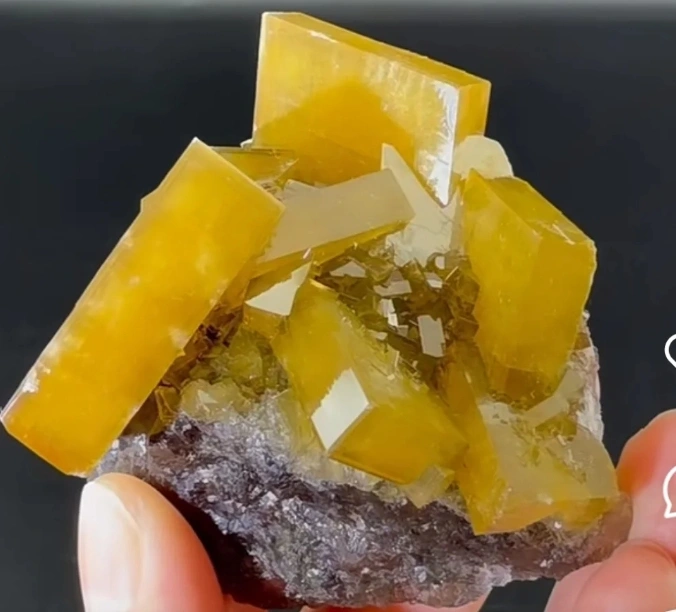
Effects of Ultrafine Grinding on Barite Powder Properties
The industrial performance of barite powder is closely related to its particle size. Coarse powders mainly rely on high density. Fine grinding significantly increases the specific surface area. It also improves particle uniformity and surface activity. As a result, overall powder performance is greatly enhanced.
- Relationship Between Particle Size and Physical Properties
Coarse powder (below 325 mesh) settles easily and is suitable for drilling fluids. Medium-fine powder (500–1250 mesh) shows improved dispersibility and coverage. Ultrafine powder (1250–3000 mesh, or even D97 ≤ 5 μm) features finer and more regular particles. It significantly increases whiteness (>95%), gloss, and hiding power. At the same time, oil absorption is reduced. Weather resistance and abrasion resistance are also enhanced. - Enhancement of Chemical and Functional Properties
Ultrafine grinding activates the particle surface, allowing stronger interaction with matrix materials and the formation of stable adsorption or reaction layers. This improves the strength, hardness, and aging resistance of composite materials. In addition, finer particle sizes enhance radiation shielding performance by utilizing barium’s strong absorption of X-rays and γ-rays. - Economic Value Enhancement
El polvo de barita convencional para perforación tiene un precio aproximado de 500 RMB por tonelada, mientras que los productos ultrafinos para recubrimientos o rellenos pueden alcanzar los 2000-3000 RMB por tonelada, o incluso más. El procesamiento fino puede aumentar su valor en varios cientos de RMB por tonelada, mejorando significativamente la competitividad en el mercado.
Modificación de superficies: Endowing Minerals with “Active Functionality”
Fine grinding is not merely a reduction in particle size, but also a process of activating surface properties. Integrating surface modification during grinding represents the highest level of value enhancement.
- Integrated Grinding and Modification
Silane coupling agents or fatty acids are introduced during fine grinding. The newly generated particle surfaces exhibit extremely high activity, allowing modifiers to uniformly coat the particles. - Value Creation
Modified barite powder transforms from hydrophilic to organophilic, enabling excellent compatibility with polymer materials such as PP, PE, and PVC. The market price of such “activated barite powder” is often several times higher than that of conventional powder.
Optimizing Particle Size Distribution (D50/D97): Improving Product Stability
For industrial customers, the most stringent requirement is often not the average fineness, but product stability.
- Narrow Particle Size Distribution Technology
By combining fine grinding with high-performance ultrafine classifiers, particle size can be controlled within a very narrow range (e.g., D97 ≤ 5 μm). Such uniform powders are indispensable in high-end paper coating and lead-acid battery paste fillers, serving as the core source of premium pricing.
Main Application Fields and Added Value Enhancement of Finely Ground Barite
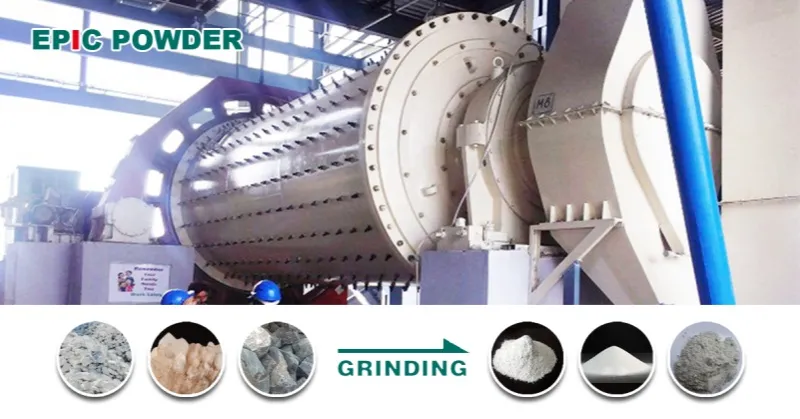
Through ultrafine grinding, barite transitions from a low-value weighting agent to a high-value functional material, with major applications including:
- Paints and Coatings Industry
Ultrafine barite powder (1250–2500 mesh) is used as a functional filler to increase film thickness, strength, durability, and gloss, partially replacing titanium dioxide. It is widely applied in high-end architectural coatings and automotive paints, with whiteness requirements exceeding 95%. - Plastics and Rubber Industry
Fine powder (800–2000 mesh) improves hardness, wear resistance, aging resistance, and density. Ultrafine powders enhance dispersion, rigidity, and impact resistance in pipes, cables, and automotive components. - Industria del papel
High-fineness powder (above 1250 mesh) serves as a filler and coating pigment, improving whiteness, smoothness, and printability while reducing material costs. - Radiation-Shielding Materials
Leveraging high density and radiation absorption properties, fine barite powder (325–1250 mesh) is used in barite cement, mortar, and concrete for nuclear power plants, hospitals, and radiation shielding facilities. - Pharmaceuticals and Chemicals
Ultrafine, high-purity powders are applied in gastrointestinal contrast agents, barium salt production, conductive composites, and advanced functional materials. - Emerging Applications
Nano-scale barite powders are used in high-reflectivity coatings, battery materials, and conductive pigments, expanding into military and new energy sectors.
These high-end applications require extremely fine particle size, high whiteness, and low impurity levels—conditions that can only be achieved through ultrafine grinding, driving the transformation from resource-based to technology-driven products.
Fine Grinding Processes and Equipment Selection
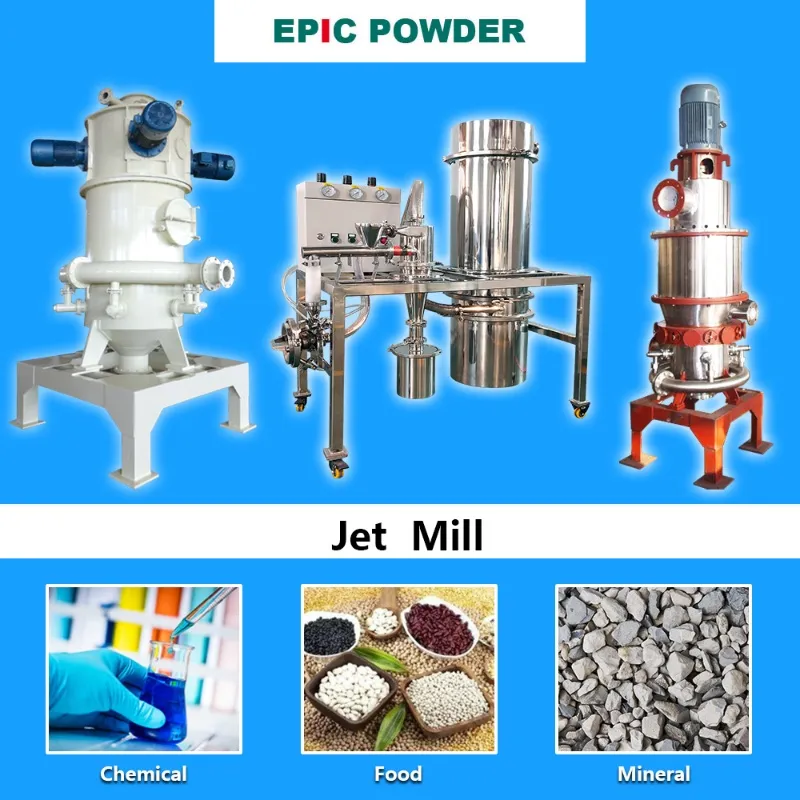
Equipment selection is critical to achieving these value-added goals:
| Target Product Grade | Equipo recomendado | Ventajas clave |
|---|---|---|
| Ultrafine functional powder (1250–3000 mesh) | Molino de bolas | Large-scale production, high energy efficiency, stable fineness |
| Nano / submicron powder | Stirred mill / sand mill | Wet grinding, nano-scale fineness, excellent dispersion |
| High-purity / high-whiteness powder | Molino de chorro | No mechanical wear contamination, extremely high purity |
Conclusion: Ultrafine Grinding as the Engine for Barite Industry Upgrading
Ultrafine grinding is a decisive pathway for enhancing the industrial added value of barite. It not only expands application boundaries but also significantly improves resource utilization efficiency and overall economic returns.
As a specialist in ultrafine powder processing, Polvo épico Ofrecemos soluciones integradas que abarcan trituración, molienda fina, clasificación ultrafina y modificación de superficies. Los sistemas personalizados de molino de bolas y clasificadores, junto con las tecnologías de molienda por chorro, garantizan un control D97 estable y una distribución granulométrica estrecha. A escala industrial, se logra una alta blancura, una elevada pureza y una calidad de producto constante.
By partnering with Epic Powder, barite producers can move beyond traditional drilling-grade products. They can successfully enter high-end coating, plastic, paper, and radiation-shielding markets. This supports a sustainable transition toward high-value, green, and technology-driven development.

“Gracias por leer. Espero que mi artículo les sea útil. Dejen sus comentarios abajo. También pueden contactar al servicio de atención al cliente de Zelda para cualquier otra consulta.”
— Publicado por Emily Chen
Error: No se encontró ningún formulario de contacto.