
How does the jet mill maintain a low grinding temperature?
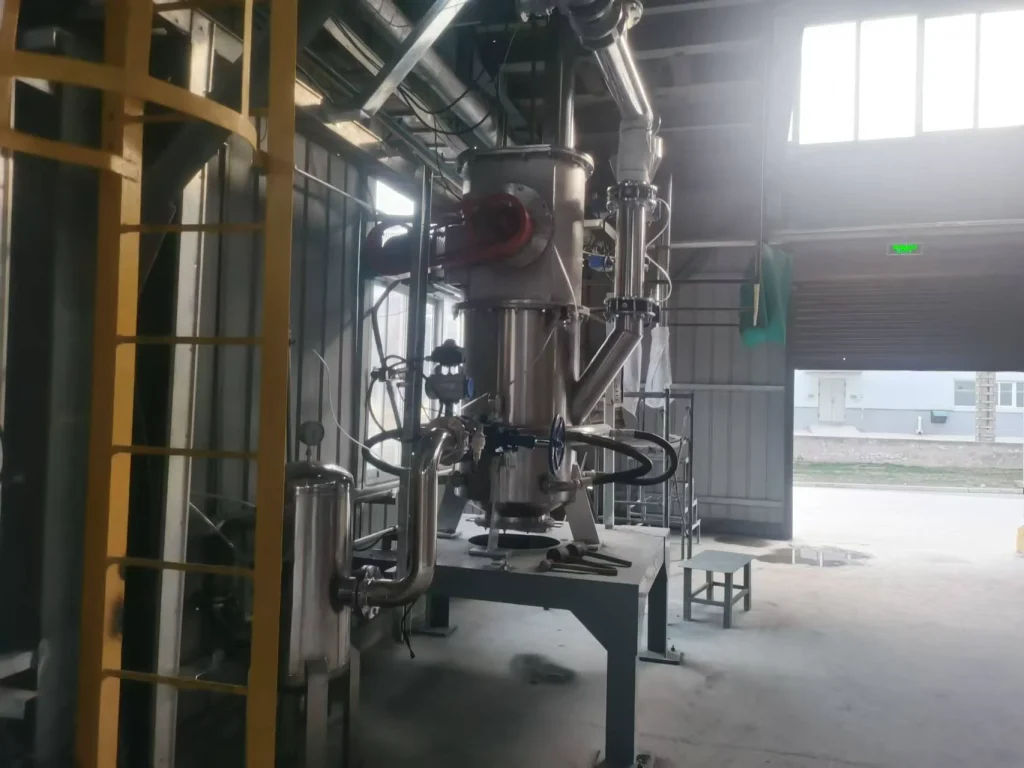
Jet mills are specialized devices for grinding materials. They are used where fine particle sizes are needed. A key benefit of jet mills is their ability to keep a low grinding temperature during milling. This is crucial for materials that can be sensitive to heat, such as pharmaceuticals and certain chemicals. Mechanisms for Low Grinding […]
Brief Analysis of the Importance of Alumina in Practical Applications
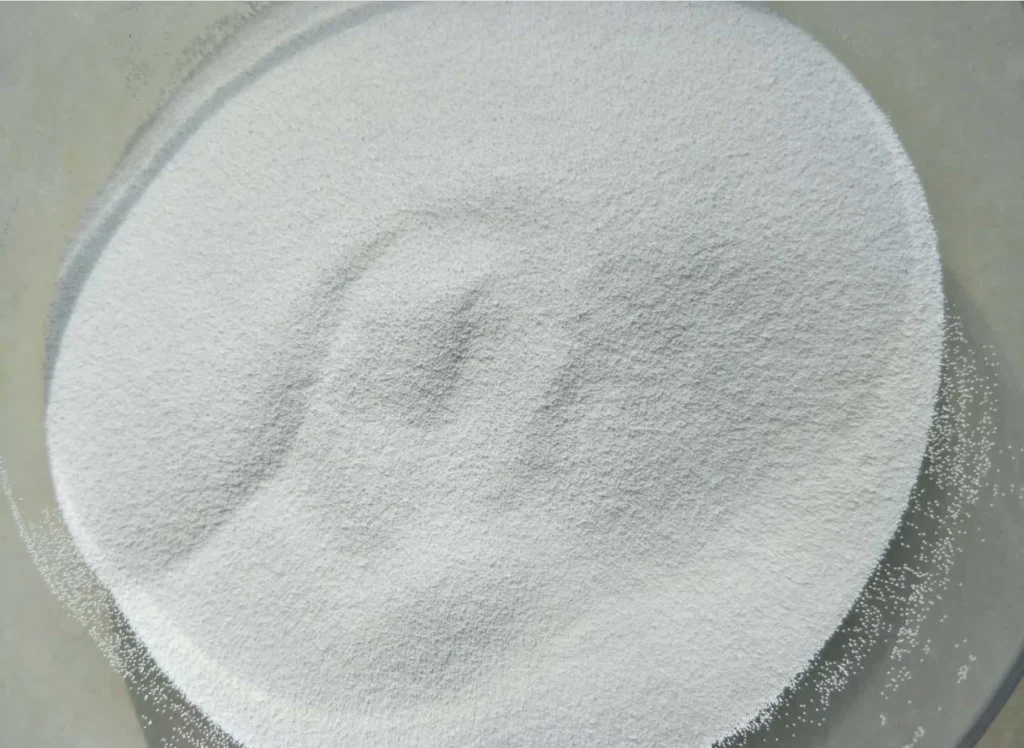
Alumina is a new variety. New varieties are often unfamiliar to most people, but they are also opportunities. Alumina has a very important property: although it seems sufficient, once it is in short supply, aluminum plants will suffer huge losses, or production accident or explosion, even long-term closure. As we all know, aluminum smelters, glass factories, and steel mills are the three major […]
¿Cuáles son las ventajas de utilizar un molino de chorro para materiales sensibles al calor?
The jet mill for heat-sensitive materials is designed to minimize thermal degradation during the grinding process. Jet mills reduce particle size using high-velocity air or steam. This minimizes heat during milling. This is vital for heat-sensitive materials. They may degrade or lose efficacy at high temperatures. Also, jet milling gives a uniform particle size. This […]
¿Cómo elegir el equipo de lijado adecuado para el lijado de pintura?

Paint grinding is vital for making high-quality paints and coatings. This technique uses a machine to reduce pigment particles. It aims for a specific fineness and dispersion. This affects the final product’s color, texture, and performance. During paint grinding, we use various equipment. This includes jet mills, ACM mills, ball mills, bead mills, and high-shear […]
Application technology of ultrafine powder in concrete
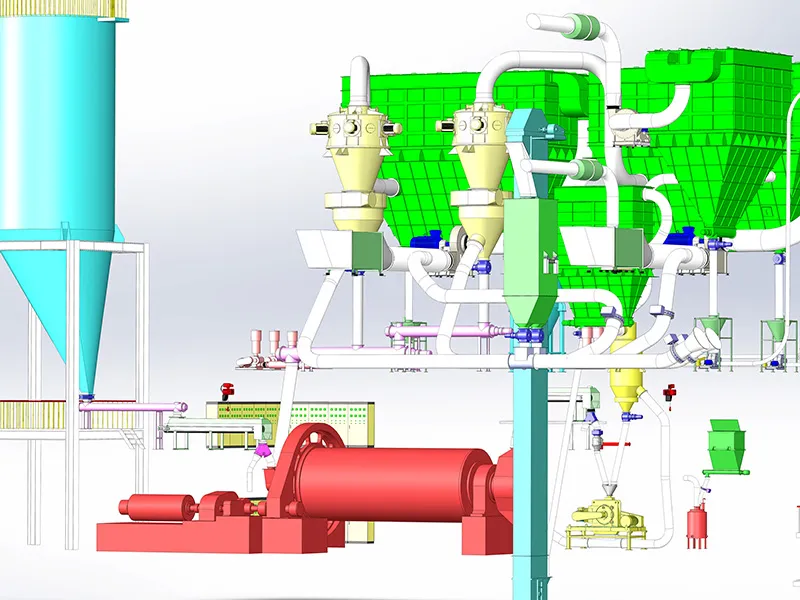
In concrete, ultrafine powder, a key mineral admixture, helps. It improves the gradation of powder materials and the concrete’s performance. Ultrafine powder boosts concrete’s performance. It also saves energy and reduces emissions. On one hand, adding ultrafine powder can cut cement use. This reduces energy use and carbon emissions in concrete production. On the other […]
Cuatro métodos principales para la modificación de la superficie del electrodo negativo de grafito
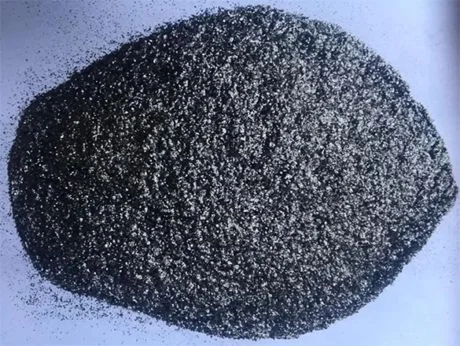
Graphite negative electrode is a common negative electrode material in electrochemistry. Lithium-ion battery research is a key focus. Graphite anode material has a low charge and discharge voltage. It is safe and cheap. So, it is the main negative electrode in commercial lithium-ion batteries. However, its poor solvent compatibility and high-current performance limit use. Co-embedding solvent […]
Subdividir la escoria de litio para un mejor manejo
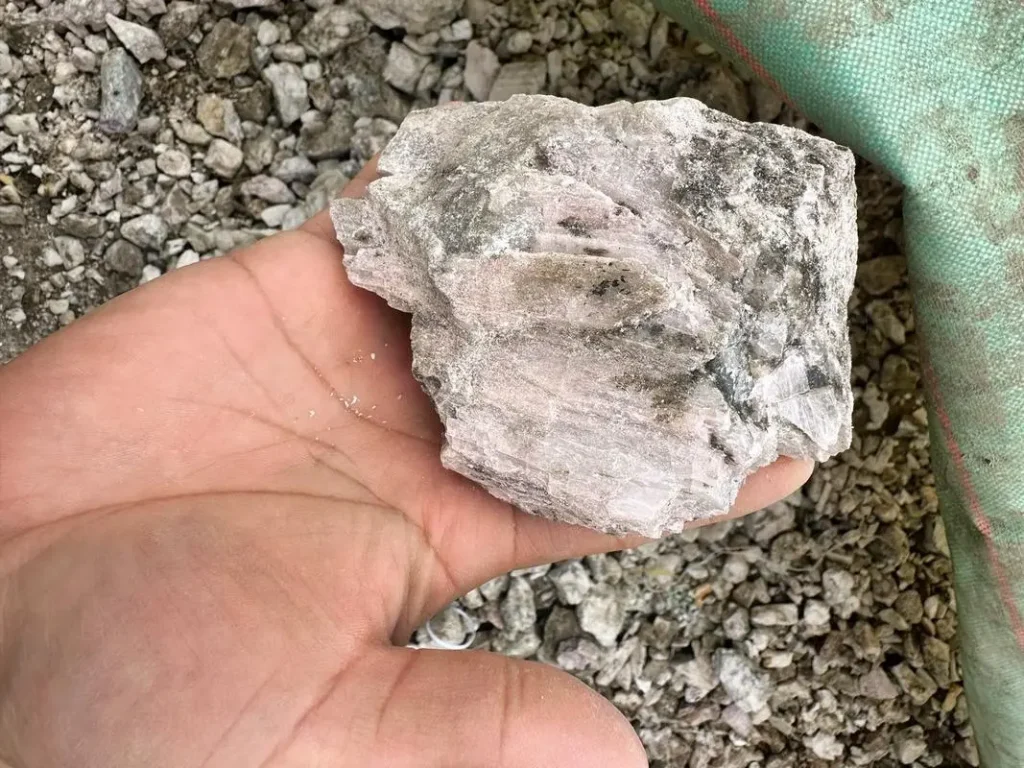
Lithium slag is a byproduct of lithium production from ores. It comes from extracting spodumene and other lithium-rich minerals. This material often contains high lithium and other valuable metals. So, it is a potential source for recycling and recovery. As demand for lithium rises, so must we manage lithium slag. It’s critical for batteries in […]
¿Cuáles son las aplicaciones del sulfato de bario? ¿A qué debemos prestar atención?
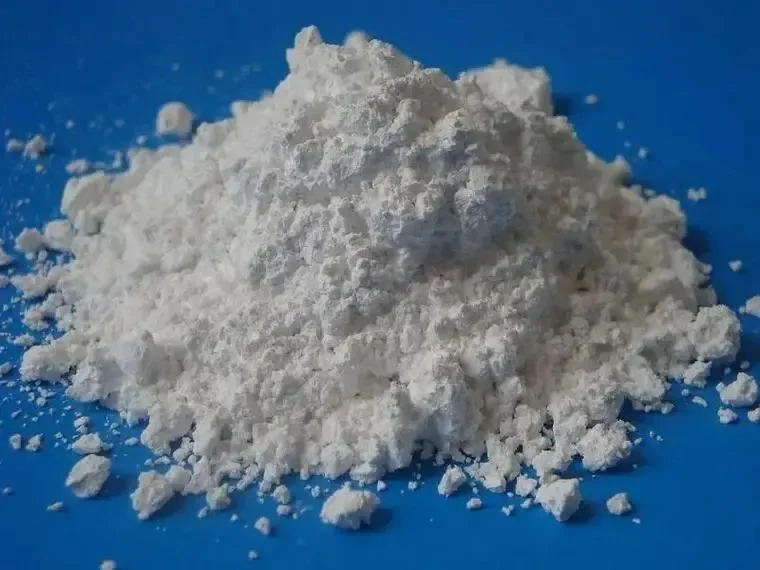
Barium Sulfate, or BaSO₄, is an inorganic compound. It is found widely in nature. It is a key raw material in the chemical and pharmaceutical industries, and many others. Barium sulfate’s unique properties make it very valuable in many applications. Basic properties of barium sulfate Barium sulfate is a white or colorless crystalline powder. It […]
Propiedades físicas de las cenizas volantes y su impacto en la ciencia de los materiales.
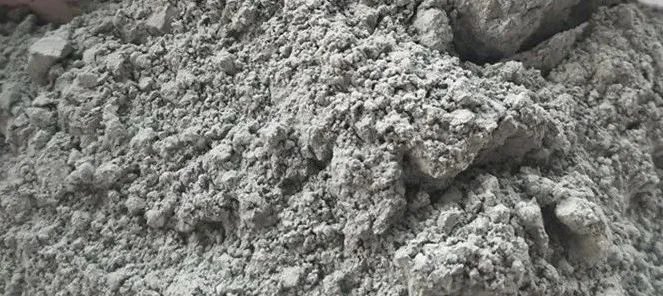
Fly ash is a major waste from coal-fired power plants. Its physical properties greatly affect materials science. Fly ash’s properties, like density and particle size, affect its use in building materials and its environmental impact. Study of fly ash’s physical properties is in-depth. Its potential in materials science is being explored. This may provide new, […]