
مع التزايد المستمر في متطلبات كثافة الطاقة وأداء معدل الطاقة في صناعة الطاقة الجديدة، حجم الجسيمات توزيع (PSD) فوسفات الحديد الليثيوم أصبح (LFP) عاملاً رئيسياً في تحديد الملاط طلاء الجودة والأداء الكهروكيميائي.
استجابةً لهذه المتطلبات، ركزت إحدى الشركات المصنعة المحلية الرائدة على طحن مواد الكاثود لبطاريات الليثيوم لتحقيق مسارات انتشار أيوني أقصر ونشاط مادي أعلى. اشترطت الشركة طحن مادة فوسفات الحديد الليثيوم (LFP) إلى حجم جسيمات يبلغ 1.30 ميكرومتر (D50)، مع التحكم الدقيق في زيادة الشوائب المعدنية (مثل تآكل الزنك) والحفاظ على توزيع ضيق لحجم الجسيمات.
1. اختيار المعدات الأساسية لطحن مواد الكاثود لبطاريات الليثيوم
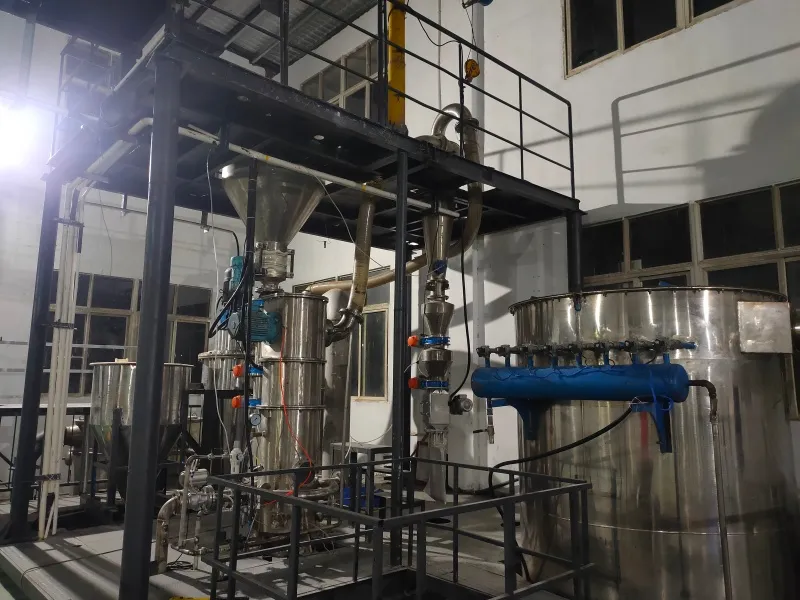
معدات: مسحوق ملحمي سلسلة MQW مطحنة نفاثة ذات طبقة مميعة
الميزات التقنية:
- تصميم تعاوني متعدد الفوهات:
تعتمد سلسلة MQW على فوهات مرتبة بشكل متقابل حول حجرة الطحن. يعمل تدفق الهواء فوق الصوتي على دفع تصادم الجسيمات مع بعضها البعض والطحن الذاتي، مما يقلل بشكل كبير من تآكل جدران المعدات. - تصنيف عالي الدقة:
مزودة بعجلة تصنيف أفقية عالية السرعة. من خلال ضبط سرعة الدوران (RPM)، يمكن قطع الجزيئات كبيرة الحجم بدقة. - حماية كاملة بالسيراميك:
بالنسبة للمواد المستخدمة في صناعة البطاريات، فإن جميع الأجزاء الملامسة للمنتج (الفوهات، وعجلة التصنيف، والبطانات) مصنوعة من بلاط السيراميك المصنوع من الألومينا أو كربيد السيليكون، مما يضمن خالٍ من التلوث المعدني.
2. معايير الإنتاج والنتائج المقاسة
أثناء عملية التشغيل في الموقع للهدف المحدد بـ 1.30 ميكرومتر، تم تسجيل البيانات التالية:
| غرض | معلمات العملية / نتيجة الاختبار |
|---|---|
| حجم جزيئات العلف | D50 ≈ 15–20 ميكرومتر |
| ضغط الطحن | 0.7–0.8 ميجا باسكال |
| سرعة عجلة المصنف | 3500–4200 دورة في الدقيقة (يتم تعديلها وفقًا للطراز) |
| المنتج النهائي D50 | 1.30 ميكرومتر |
| خصائص كثافة القدرة الطيفية | منحنى توزيع ضيق، مع تحكم فعال في D100 |
3. المزايا الأساسية
- حماية الشكل:
بالمقارنة مع المطاحن الميكانيكية، فإن مطحنة MQW مطحنة نفاثة يولد القليل جداً من الحرارة أثناء الطحن، مما يمنع بشكل فعال تلف طبقة طلاء الكربون على جزيئات فوسفات الحديد الليثيوم. - تشتيت عالي الكفاءة:
ال الطحن النفاث توفر هذه العملية تفكيكًا قويًا للتكتلات، مما يحل مشكلة ميل مساحيق LFP فائقة النعومة إلى التكتل. - مستوى عالٍ من الأتمتة:
يدمج النظام عملية جمع الضغط السلبي والتحكم الآلي، مما يضمن انبعاث الغبار المتوافق مع المعايير وجودة متسقة من دفعة إلى أخرى.
4. الخاتمة
من خلال تبني مسحوق ملحمي باستخدام مطحنة نفاثة من سلسلة MQW، نجح العميل في تحقيق انتقال مستقر لفوسفات حديد الليثيوم من حجم جسيمات دقيق إلى حجم جسيمات متناهية الصغر. لم يُحسّن التحكم الدقيق عند 1.30 ميكرومتر أداء معدل التفريغ فحسب. مادة البطارية, كما قدمت الشركة دعماً تقنياً قوياً لتعزيز قدرتها التنافسية في سوق البطاريات عالية الطاقة.