
Tổng quan thị trường
Thị trường mỹ phẩm khoáng chất toàn cầu được định giá khoảng 2,9 tỷ USD vào năm 2025 và dự kiến sẽ đạt 3,8 tỷ USD vào năm 2032, với tốc độ tăng trưởng kép hàng năm (CAGR) là 4,11 tỷ USD. Các ước tính khác cho rằng quy mô thị trường năm 2025 nằm trong khoảng từ 2,85 tỷ USD đến 3,88 tỷ USD, và dự kiến sẽ đạt 5,01–6,24 tỷ USD vào giai đoạn 2032–2034. Trong phạm vi rộng hơn này, riêng các sắc tố vô cơ dùng trong mỹ phẩm đã chiếm một phần đáng kể. Thị trường $136 triệu vào năm 2025, Dự báo sẽ đạt 158 triệu người vào năm 2032 với tốc độ tăng trưởng kép hàng năm (CAGR) là 2,171 nghìn tỷ người.
Khu vực châu Á Thái Bình Dương chiếm ưu thế trong lĩnh vực này, chiếm khoảng 351.300 tấn thị trường mỹ phẩm khoáng chất toàn cầu. Trung Quốc, nền kinh tế lớn thứ hai thế giới, được dự báo sẽ tăng trưởng với tốc độ CAGR 7,51.300 tấn – nhanh hơn đáng kể so với mức trung bình toàn cầu – đạt quy mô thị trường dự kiến 1.400.915 triệu người vào năm 2032. Sự tăng trưởng này được thúc đẩy bởi mức tiêu thụ cao, sản xuất quy mô lớn và nhu cầu ngày càng tăng của người tiêu dùng đối với các sản phẩm làm đẹp tự nhiên, không chứa hóa chất.
Đối với các chuyên gia thu mua, những con số này cho thấy một thị trường ổn định, hướng đến tăng trưởng với các tín hiệu nhu cầu rõ ràng. Đối với các kỹ sư chế biến, thông điệp cũng rõ ràng không kém: độ chính xác trong kỹ thuật hạt, kiểm soát độ tinh khiết và sửa đổi bề mặt không còn là yếu tố khác biệt nữa—mà là các yêu cầu cơ bản để tham gia thị trường. Đáp ứng các yêu cầu cơ bản này—cho dù là về phân bố kích thước hạt (PSD) chặt chẽ của bột talc hay độ ổn định phân tán của TiO₂—đòi hỏi thiết bị chế biến bột mỹ phẩm có khả năng nghiền siêu mịn, phân loại chính xác và hoạt động không bị nhiễm bẩn.
Sáu loại bột khoáng cốt lõi
1. Bột talc – Thành phần cơ bản tạo nên cảm giác cho làn da
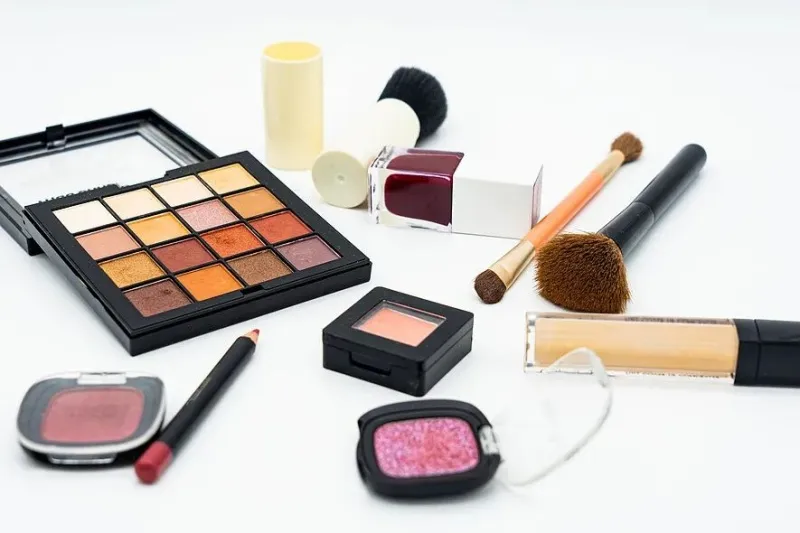
Bột talc (Mg₃Si₄O₁₀(OH)₂) là khoáng chất mềm nhất được biết đến, với độ cứng Mohs là 1. Đặc tính độc đáo này cho phép bột talc mang lại hiệu ứng mịn màng, "làm mờ" đặc trưng của các loại phấn phủ, kem nền và phấn mắt cao cấp.
Ứng dụng: Phấn phủ dạng bột và dạng nén, kem nền, phấn mắt, phấn má hồng, phấn rôm trẻ em
Chức năng cốt lõi: Giúp da trơn mượt, tạo hiệu ứng mờ, cải thiện khả năng tán đều.
Dữ liệu thị trường: Thị trường bột talc siêu mịn—bao gồm các loại dùng trong mỹ phẩm, dược phẩm và công nghiệp—được định giá ở mức $468–502 triệu vào năm 2025, Với tốc độ tăng trưởng kép hàng năm (CAGR) dự kiến là 3,36–4,011 TP3T, đạt $590–661 triệu vào năm 2032.
Thông số kỹ thuật quan trọng:
- Độ tinh khiết: ≥98,5%
- Độ trắng: ≥92%
- Kim loại nặng: ≤1 ppm
An toàn & Quy định: Bản thân bột talc không độc hại. Tranh cãi trong lịch sử bắt nguồn từ việc các mỏ talc tự nhiên đôi khi lẫn với sợi amiăng. Tất cả bột talc dùng trong mỹ phẩm hiện nay đều phải trải qua quá trình tuyển chọn nghiêm ngặt để loại bỏ amiăng và đáp ứng các tiêu chuẩn dược điển. Việc thu mua phải yêu cầu kiểm tra amiăng độc lập bởi bên thứ ba đối với từng lô hàng.
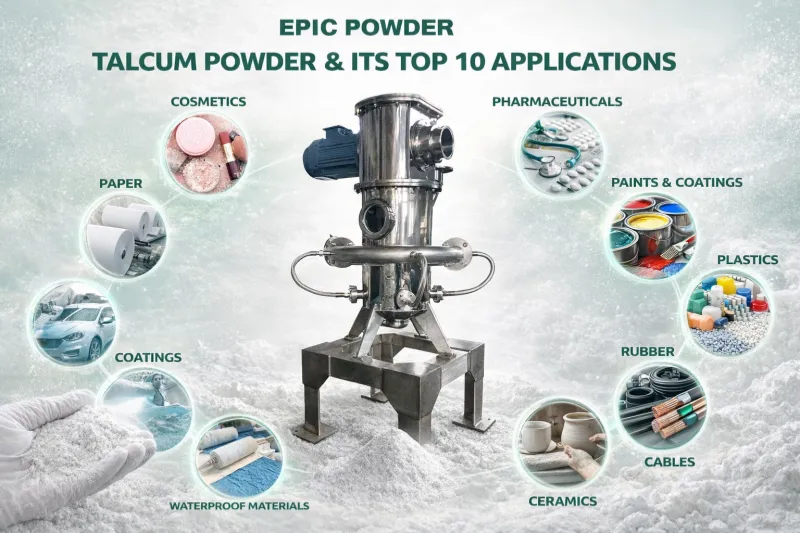
Ý nghĩa của việc xử lý dữ liệu: Cấu trúc dạng phiến của bột talc đòi hỏi quá trình nghiền siêu mịn chuyên biệt để đạt được sự phân bố kích thước hạt theo yêu cầu của các nhà sản xuất mỹ phẩm—thường là D90 < 10μm với sự kiểm soát chặt chẽ các hạt siêu mịn. Như một phân tích trong ngành đã chỉ ra, “những biến đổi nhỏ về khoáng chất và điều kiện nghiền có thể dẫn đến những khác biệt có thể đo lường được về độ trắng, tính lưu biến và tính thẩm mỹ của sản phẩm cuối cùng”. Để loại bỏ những biến đổi này, thiết bị xử lý bột mỹ phẩm hiện đại không chỉ phải cung cấp tỷ lệ giảm kích thước cao mà còn phải kiểm soát tuyệt đối kích thước hạt đầu vào để ngăn ngừa các khuyết tật về mặt thị giác trong bột nén cuối cùng. Các nhà sản xuất đầu tư vào tài liệu minh bạch và thử nghiệm nhất quán bởi bên thứ ba đang giành được lợi thế cạnh tranh.
2. Mica – Chất mang hiệu ứng ánh ngọc trai
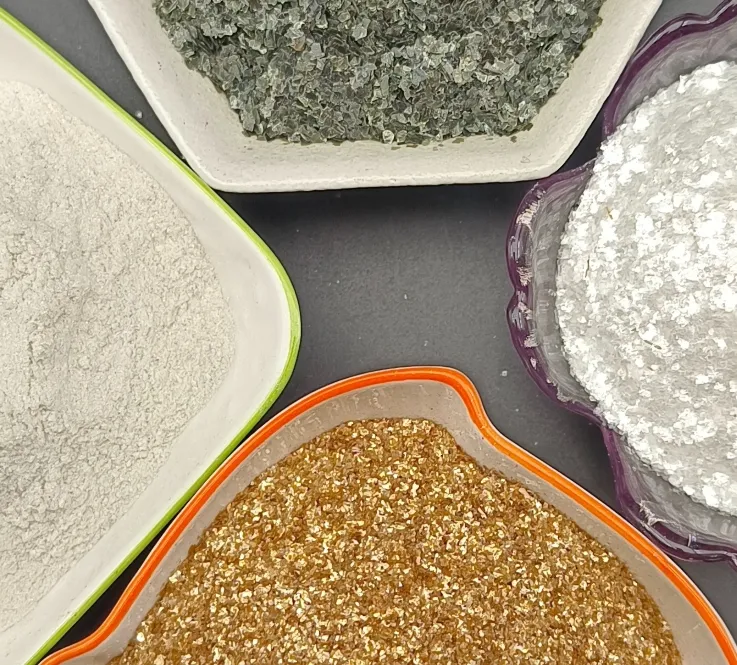
Mica là một loại khoáng chất silicat có cấu trúc lớp, với ánh sáng óng ánh độc đáo đến từ sự phản xạ, khúc xạ và giao thoa ánh sáng trên các tinh thể mỏng, dạng tấm của nó.
Ứng dụng: Phấn bắt sáng, phấn mắt, phấn má hồng, son môi, kem nền ánh ngọc trai
Chức năng cốt lõi: Tạo hiệu ứng lấp lánh, bóng bẩy và quang học; khi được phủ TiO₂, tạo ra hiệu ứng đổi màu.
Dữ liệu thị trường: Thị trường bột mica dùng trong mỹ phẩm toàn cầu được định giá 1.400 USD vào năm 2025 và dự kiến sẽ đạt 1.400 USD vào năm 2032, với tốc độ tăng trưởng kép hàng năm (CAGR) là 6,71.300 USD. Khu vực Châu Á Thái Bình Dương hiện đang chiếm ưu thế. Thị phần 47%, Trong khi đó, châu Âu cho thấy tốc độ tăng trưởng nhanh nhất với CAGR là 7,11 tỷ TP3T.
Thông số kỹ thuật quan trọng:
- Phân bố kích thước hạt: điển hình 5–150 μm, tùy thuộc vào hiệu ứng quang học mong muốn.
- Tỷ lệ chiều dài/chiều rộng cao (hình thái dạng tấm) là yếu tố cần thiết để tạo độ bóng.
- Nhu cầu về mica có nguồn gốc đạo đức đã tăng lên. 40% so với năm trước, Điều này phản ánh nhận thức ngày càng tăng của người tiêu dùng về các thực tiễn tìm nguồn cung ứng bền vững.
Ý nghĩa của việc xử lý dữ liệu: Sản xuất mica dùng trong mỹ phẩm đòi hỏi sự phân loại chính xác để đạt được sự phân bố kích thước hạt hẹp. Các kỹ thuật vi phân hóa tiên tiến hiện nay cho phép các nhà sản xuất tạo ra các hạt mica với sự phân bố kích thước chính xác, cho phép tạo ra các hiệu ứng quang học tùy chỉnh. Bột mica được xử lý bề mặt với các đặc tính bám dính và phân tán được cải thiện có giá cao hơn từ 20–30% so với các loại tiêu chuẩn. Để thu được khoản lợi nhuận cao này, cần có thiết bị xử lý bột mỹ phẩm tích hợp khả năng phân loại khí chính xác với khả năng biến đổi bề mặt, đảm bảo cấu trúc dạng tấm vẫn còn nguyên vẹn trong khi đạt được sự phân bố lớp phủ đồng đều.
3. Titanium Dioxide – Thành phần chống nắng vật lý hiệu quả hàng đầu
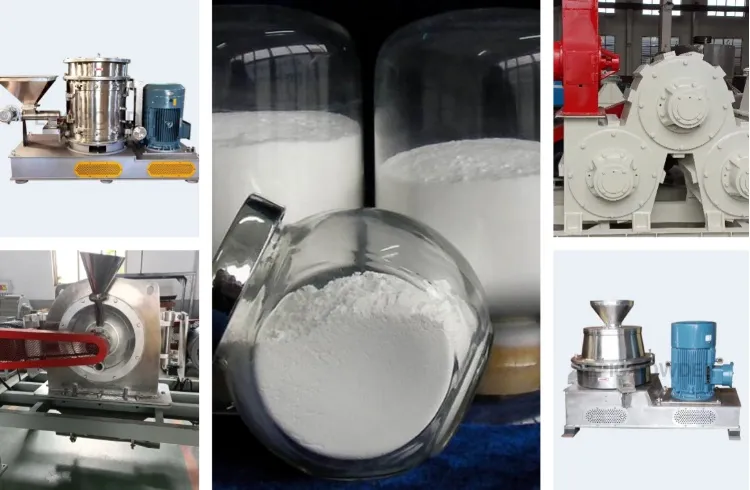
Titanium dioxide (TiO₂) là một oxit lưỡng tính màu trắng tồn tại trong tự nhiên dưới dạng rutile, anatase và brookite. Trong mỹ phẩm, nó hoạt động như một bộ lọc tia cực tím vật lý, phản xạ và tán xạ bức xạ UVB.
Ứng dụng: Kem chống nắng vật lý, kem BB/CC, kem nền, phấn phủ có chỉ số SPF.
Chức năng cốt lõi: Chống tia UVB, độ mờ đục, làm trắng/tạo sắc tố
Dữ liệu thị trường: Thị trường TiO₂ dạng vi hạt dùng trong mỹ phẩm được định giá khoảng... $25,4–25,7 triệu vào năm 2025, Với tốc độ tăng trưởng kép hàng năm (CAGR) dự kiến là 3,1–3,31 tỷ tấn/năm. Titan dioxit vi mô đề cập đến quá trình xử lý TiO₂ thành các hạt kích thước micromet hoặc nanomet, giúp tăng diện tích bề mặt riêng và thay đổi các tính chất lý hóa.
Thông số kỹ thuật quan trọng:
- Hạt siêu mịn so với hạt nano: kích thước hạt quyết định độ trong suốt so với hiệu quả làm trắng.
- Tính ổn định phân tán là thách thức kỹ thuật chính.
Ý nghĩa của việc xử lý dữ liệu: TiO₂ dạng nano có độ trong suốt tốt hơn nhưng lại đặt ra những thách thức đáng kể về khả năng phân tán. Bộ phận mua sắm nên đánh giá nhà cung cấp không chỉ dựa trên kích thước hạt mà còn dựa trên khả năng tương thích với chất hỗ trợ phân tán và tính nhất quán giữa các lô sản phẩm.
4. Kẽm oxit – Lớp chắn tia UV phổ rộng
Kẽm oxit (ZnO) là chất chống nắng vật lý duy nhất cung cấp khả năng bảo vệ phổ rộng chống lại cả tia UVA và UVB. Nó cũng có đặc tính kháng viêm và se khít lỗ chân lông nhẹ, thích hợp cho da nhạy cảm và da dễ nổi mụn.
Ứng dụng: Kem chống nắng khoáng chất, sản phẩm chăm sóc em bé, công thức dành cho da nhạy cảm, kem dưỡng da calamine.
Chức năng cốt lõi: Chống tia cực tím phổ rộng, kháng viêm
Dữ liệu thị trường: Thị trường oxit kẽm toàn cầu dùng trong mỹ phẩm được định giá ở mức $311–350 triệu vào năm 2025 và dự kiến sẽ tăng lên $448–490 triệu vào năm 2032–2034, với tốc độ tăng trưởng kép hàng năm (CAGR) là 4.9–5.4%. Kẽm oxit không nano chiếm thị phần đáng kể vào năm 2025 do những lợi ích về an toàn được cho là mang lại.
Thông số kỹ thuật quan trọng:
- Kích thước hạt ảnh hưởng đến cả hiệu quả chống tia UV và vẻ ngoài (hiện tượng trắng/”vệt trắng”).
- Việc xử lý bề mặt (phủ lớp) giúp giảm hiện tượng bạc màu nhưng làm tăng chi phí sản xuất. 15–20%
Ý nghĩa của việc xử lý dữ liệu: Thách thức truyền thống trong công thức chế tạo ZnO là hiệu ứng "màu trắng" - đặc biệt gây khó khăn cho những người có tông da sẫm màu. Các công nghệ cải tiến bề mặt - chẳng hạn như các hạt oxit kẽm được phủ lớp - đang giúp giảm thiểu vấn đề này. Bộ phận mua sắm nên đánh giá các công nghệ phủ lớp của nhà cung cấp và tác động của chúng đến hiệu suất và chi phí.
5. Cao lanh – Chất hấp thụ dầu tự nhiên
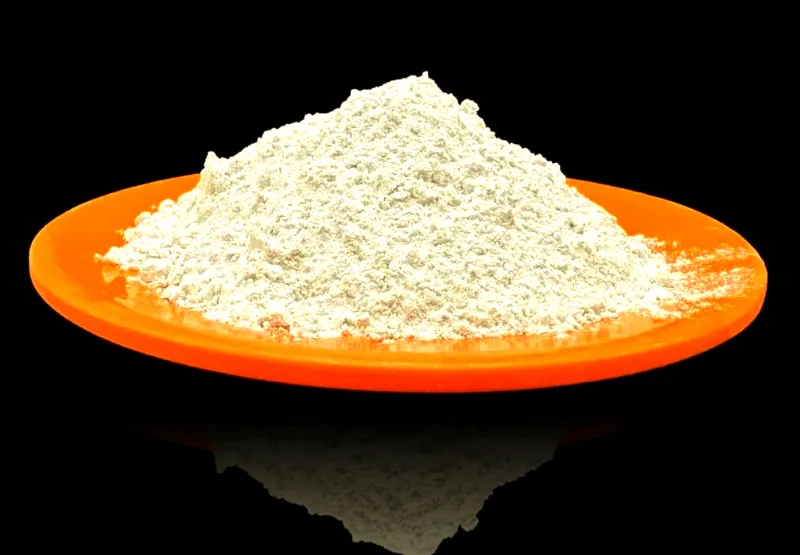
Cao lanh (Al₂Si₂O₅(OH)₄), còn được gọi là đất sét cao lanh, là một loại khoáng chất đất sét mềm, màu trắng với đặc tính hấp phụ vượt trội. Cấu trúc lớp của nó cho phép hấp thụ bã nhờn dư thừa và các tạp chất từ bề mặt da.
Ứng dụng: Mặt nạ đất sét, phấn kiềm dầu, sữa rửa mặt, dầu gội khô
Chức năng cốt lõi: Hấp thụ bã nhờn, tẩy tế bào chết nhẹ nhàng, làm mờ bóng dầu.
Dữ liệu thị trường: Các ước tính thị trường có sự khác biệt đáng kể tùy thuộc vào định nghĩa và phạm vi. DIResearch ước tính thị trường bột cao lanh dùng trong mỹ phẩm toàn cầu ở mức... $242,31 triệu vào năm 2025, Dự kiến thị trường sẽ đạt $309,96 triệu vào năm 2032 với tốc độ tăng trưởng kép hàng năm (CAGR) là 3,58%. Các nguồn khác ước tính thị trường năm 2025 sẽ đạt $251,97 triệu với CAGR là 5,05%. (Lưu ý: Các tổ chức nghiên cứu khác nhau sử dụng phạm vi và phương pháp luận khác nhau; bộ phận mua sắm nên xác minh các định nghĩa khi so sánh dữ liệu.)
Thông số kỹ thuật quan trọng:
- Phân bố kích thước hạt: 1–4 μm là tiêu chuẩn thông dụng cho các loại mỹ phẩm.
- Độ tinh khiết cao, hàm lượng kim loại nặng thấp, không lẫn tạp chất silica tinh thể.
- Các nhà sản xuất mỹ phẩm lớn chiếm khoảng 62% của thị trường năm 2025, thúc đẩy tiêu thụ số lượng lớn và duy trì các hợp đồng dài hạn với các nhà cung cấp cao lanh.
Ý nghĩa của việc xử lý dữ liệu: Các mỏ cao lanh có độ tinh khiết cao và hàm lượng silica thấp phân bố không đều về mặt địa lý. Các nhà cung cấp đầu tư vào công nghệ vi phân hóa tiên tiến, xử lý bề mặt và truy xuất nguồn gốc kỹ thuật số đang đạt được sự khác biệt hóa sản phẩm và lợi nhuận cao hơn.
6. Oxit sắt – Bảng màu sắc tố khoáng tự nhiên
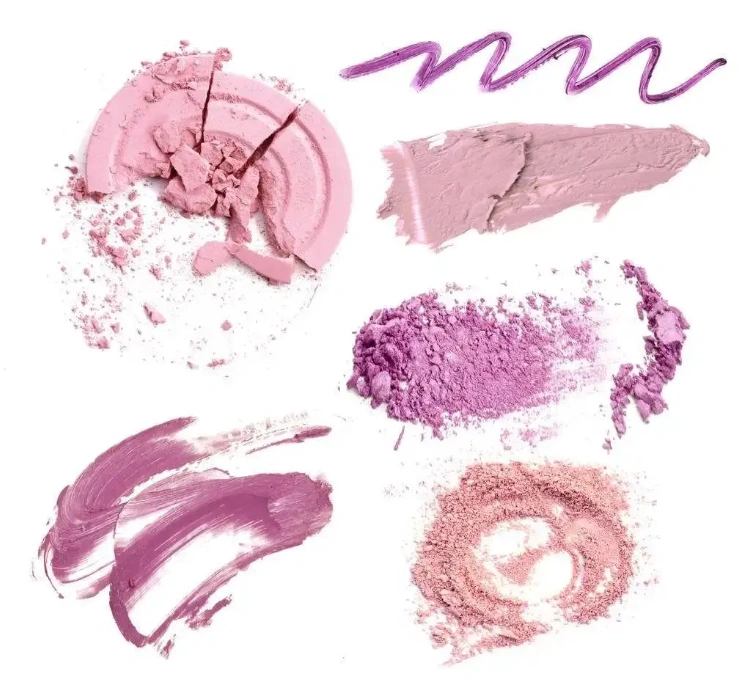
Oxit sắt là các chất tạo màu vô cơ tự nhiên, tùy thuộc vào trạng thái oxy hóa và độ hydrat hóa, tạo ra một loạt màu sắc bao gồm đỏ, vàng, nâu và đen.
Ứng dụng: Phấn mắt, phấn má hồng, son môi, sản phẩm kẻ lông mày, cách chọn màu kem nền phù hợp
Chức năng cốt lõi: Thuốc nhuộm ổn định, ít gây kích ứng và có độ bền màu tuyệt vời.
Dữ liệu thị trường: Thị trường oxit sắt dùng trong mỹ phẩm toàn cầu ước tính ở mức... $82–86 triệu vào năm 2025, Dự kiến sẽ đạt 102–111 triệu người vào năm 2032, với tốc độ tăng trưởng kép hàng năm (CAGR) là 3,1–3,581 người.
Thông số kỹ thuật quan trọng:
- Độ đồng nhất màu sắc (ΔE) giữa các lô sản phẩm
- Hàm lượng kim loại nặng thấp (chì, asen, cadmi)
- Khả năng tương thích với các thành phần công thức khác
Ý nghĩa của việc xử lý dữ liệu: Oxit sắt cần được tinh chế nghiêm ngặt để đáp ứng các tiêu chuẩn an toàn mỹ phẩm. Tính ổn định, khả năng tương thích với các thành phần mỹ phẩm khác và khả năng chống phai màu khiến chúng được ưa chuộng hơn nhiều loại sắc tố hữu cơ tổng hợp.
Thông tin chi tiết về chuỗi cung ứng: Cơ hội nằm ở đâu?
1. Tiêu chuẩn về độ tinh khiết và an toàn đang được thắt chặt.
Các khung pháp lý bao gồm EU REACH, đánh giá an toàn thành phần mỹ phẩm của FDA và Tiêu chuẩn kỹ thuật an toàn mỹ phẩm của Trung Quốc — liên tục siết chặt các giới hạn đối với kim loại nặng, amiăng và các chất gây ô nhiễm khác. Các nhà cung cấp có thể liên tục cung cấp bột có độ tinh khiết cao, hàm lượng tạp chất thấp sẽ có được mức giá cao hơn và đảm bảo các hợp đồng dài hạn.
Đặc biệt đối với bột talc, việc đảm bảo chất lượng đã được mở rộng từ các thử nghiệm vật lý thông thường sang các phân tích chuyên sâu hơn, bao gồm xác minh khoáng vật học, các quy trình lấy mẫu được xác định rõ ràng và các thủ tục đánh giá nhà cung cấp chặt chẽ hơn. Các nhà sản xuất đầu tư vào tài liệu minh bạch và thử nghiệm bởi bên thứ ba nhất quán đang giành được lợi thế cạnh tranh khi người mua tìm kiếm các nguyên liệu đầu vào có thể chứng minh được và sẵn sàng cho việc kiểm toán.
2. Biến đổi bề mặt là lĩnh vực tiên phong mới
Ngành công nghiệp đang chuyển dịch từ việc cung cấp nguyên liệu thô cơ bản sang các thành phần hiệu năng cao, được hỗ trợ bởi công nghệ. Việc thu nhỏ kích thước hạt, phủ lớp, xử lý kỵ nước và chức năng hóa bề mặt đang trở thành những năng lực cốt lõi chứ không phải là những khả năng tùy chọn.
Đối với các nhà pha chế, bột biến tính—bao gồm các loại được xử lý bề mặt, nghiền mịn và kỵ nước—cho phép đạt được hiệu suất ổn định, kết cấu vượt trội và độ ổn định cao hơn trong các ma trận mỹ phẩm phức tạp.
3. Khả năng phục hồi của chuỗi cung ứng là ưu tiên hàng đầu
Tình hình địa chính trị và sự biến động về logistics đã khiến việc tìm kiếm nguồn cung ứng kép và đa dạng hóa khu vực không chỉ là kế hoạch dự phòng mà ngày càng được lồng ghép vào chính sách mua sắm. Các lựa chọn địa phương và gần bờ đang được ưu tiên hơn, ngay cả khi chi phí đơn vị cao hơn, bởi vì sự ổn định và độ tin cậy về thời gian giao hàng có thể vượt trội hơn lợi ích về giá ngắn hạn. Đối với hoạt động mua sắm, điều này có nghĩa là lựa chọn thiết bị xử lý bột mỹ phẩm có độ tin cậy cơ học đã được chứng minh và thời gian ngừng hoạt động bảo trì thấp – những yếu tố ảnh hưởng trực tiếp đến khả năng đảm bảo các hợp đồng cung ứng dài hạn.
Phần kết luận
Quy trình từ quặng thô đến bột dùng trong mỹ phẩm bao gồm bảy giai đoạn quan trọng: Khai thác mỏ → Tuyển khoáng/Tinh chế → Nghiền siêu mịn → Phân loại chính xác → Xử lý bề mặt → Kiểm soát chất lượng → Công thức mỹ phẩm. Mỗi giai đoạn sẽ quyết định xem một loại bột sẽ trở thành chất độn công nghiệp hay thành phần chức năng dùng trong mỹ phẩm.
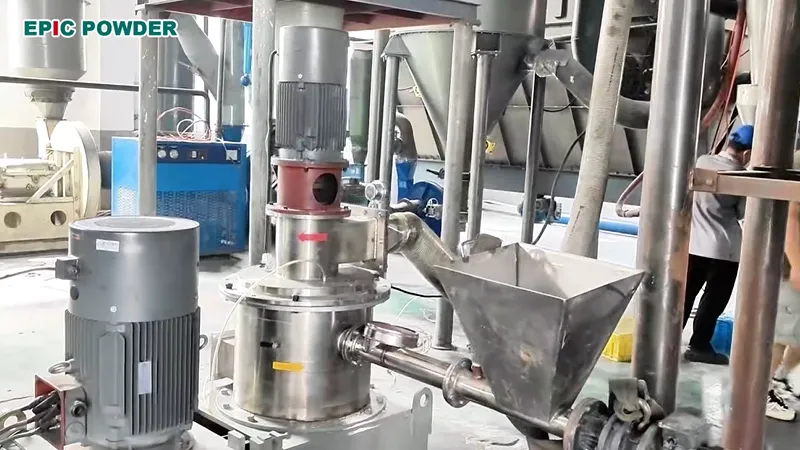
Cho dù bạn đang xử lý bột talc để tạo ra phấn nén cao cấp hay bột mica để tạo ra phấn mắt có độ bóng cao, việc lựa chọn thiết bị xử lý bột mỹ phẩm sẽ quyết định giới hạn tối đa về chất lượng sản phẩm của bạn. Danh mục sản phẩm của Epic Powder bao gồm... máy phân loại không khí, nhà máy phản lực, Và hệ thống sửa đổi bề mặt Được thiết kế đặc biệt cho ứng dụng có tính rủi ro cao này.
Bột Epic
Bột Epic, Với hơn 20 năm kinh nghiệm trong ngành công nghiệp bột siêu mịn, chúng tôi tích cực thúc đẩy sự phát triển tương lai của bột siêu mịn, tập trung vào các quy trình nghiền, xay, phân loại và cải tiến bột siêu mịn. Liên hệ với chúng tôi để được tư vấn miễn phí và các giải pháp tùy chỉnh! Đội ngũ chuyên gia của chúng tôi cam kết cung cấp các sản phẩm và dịch vụ chất lượng cao nhằm tối đa hóa giá trị trong quá trình gia công bột của bạn.
“Cảm ơn bạn đã đọc. Tôi hy vọng bài viết của tôi hữu ích. Vui lòng để lại bình luận bên dưới. Bạn cũng có thể liên hệ với đại diện chăm sóc khách hàng trực tuyến của EPIC Powder. Zelda Nếu có bất kỳ thắc mắc nào khác, vui lòng liên hệ.”
— Emily Chen, Kỹ sư