
Pourquoi les broyeurs à broches sont-ils idéaux pour le broyage des aliments ?

In the food processing industry, achieving consistent particle size, preserving product integrity, and maintaining hygiene standards are critical priorities. Among the various grinding technologies available, pin mills have emerged as a preferred choice for food applications due to their versatility, efficiency, and precision. This article explores the unique advantages of pin mills and why they […]
Application du broyeur à classification pneumatique dans le broyage des aliments
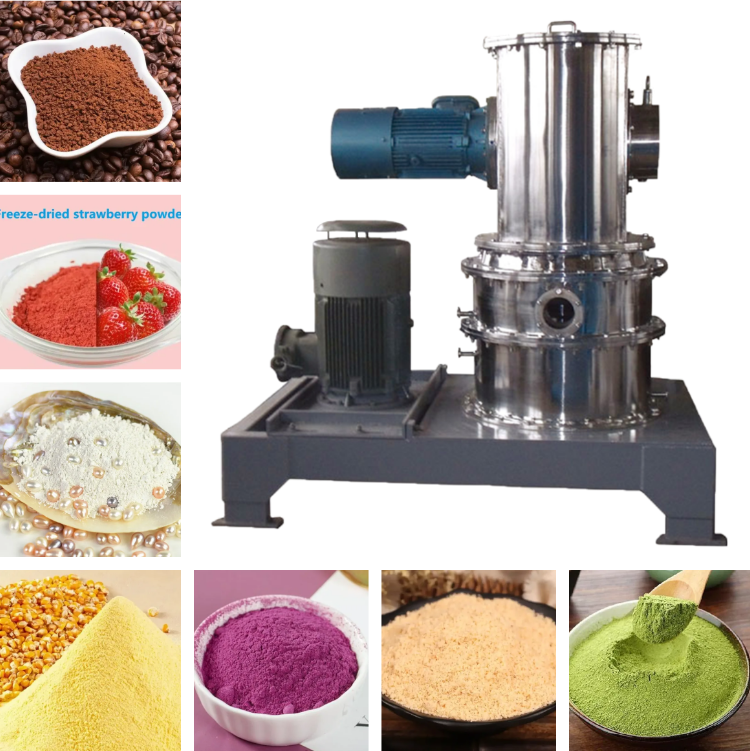
As the food industry evolves, grinding technology becomes increasingly crucial. It affects food quality, taste, nutrition, and efficiency. Consumers demand diverse, refined, and nutritious food. This drives innovation in food grinding technology. The air classifier mill in food grinding stands out as an innovative solution. Its unique mechanism boosts food processing capabilities significantly. Working Principle of Air Classifier Mill The […]
Domaines d'application du noir de carbone conducteur
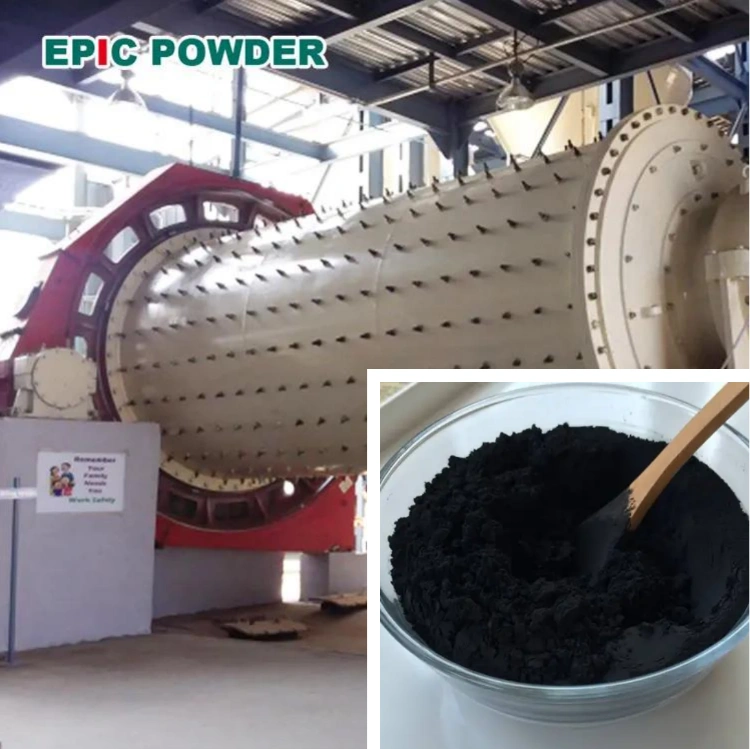
Conductive carbon black is a typical type of specialty carbon black. It offers high electrical and thermal conductivity. Moreover, it has low production cost and good oxidation stability. It also features low density, enhancing material performance. As a result, it is widely used in conductive plastics. Additionally, it plays a key role in conductive rubber. […]
Carbonate de calcium modifié à l'acide stéarique, points de fonctionnement !
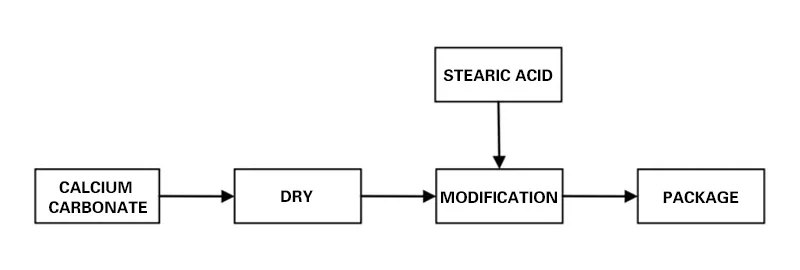
Le carbonate de calcium modifié par l'acide stéarique améliore la compatibilité des polymères en renforçant l'hydrophobicité de surface. Sa liaison chimique avec l'acide stéarique accroît la stabilité de la dispersion des particules dans les composites. Ce traitement réduit la sensibilité à l'humidité tout en préservant son rapport coût-efficacité. L'adhérence interfaciale améliorée permet des applications industrielles dans les revêtements et les élastomères. Avantages clés du carbonate de calcium modifié par l'acide stéarique : L'acide stéarique est un acide gras à longue chaîne courant […]
Application de carbonate de calcium précipité dans le revêtement
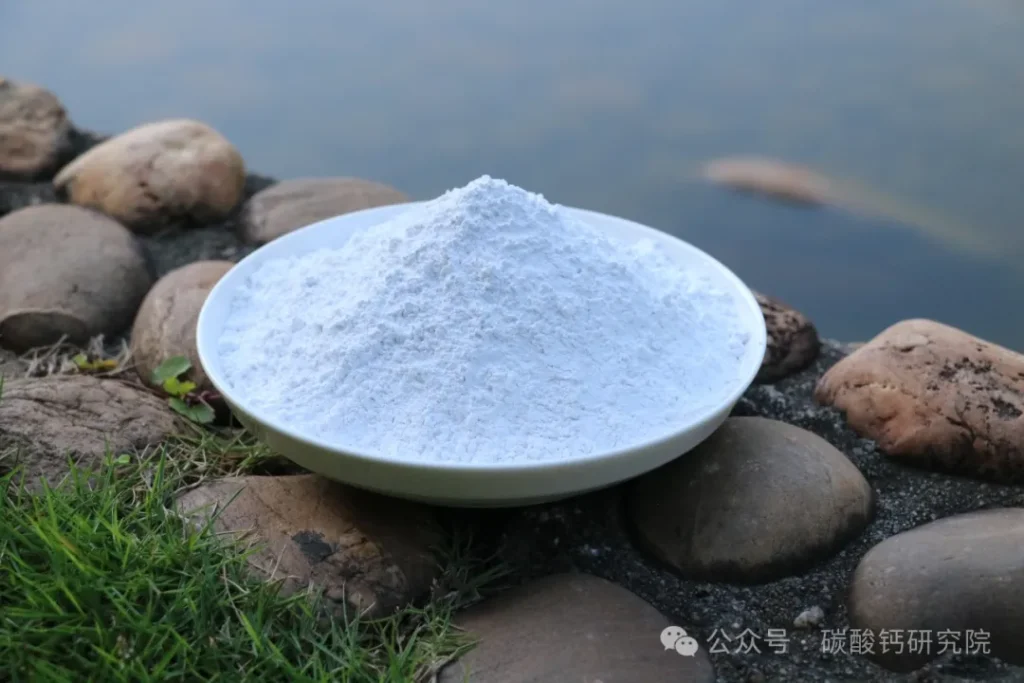
Precipitated Calcium Carbonate (PCC) is a versatile additive in coatings, offering several functional benefits due to its controlled particle size, shape, and purity. Production of PCC and PCC for coating Calcium carbonate is the most common mineral on the earth’s surface, besides quartz. It exists in three different mineral forms: calcite, aragonite and vacerate. Calcite […]
Qu'est-ce que le noir de carbone ? Cet article vous apportera toutes les connaissances nécessaires sur le noir de carbone.
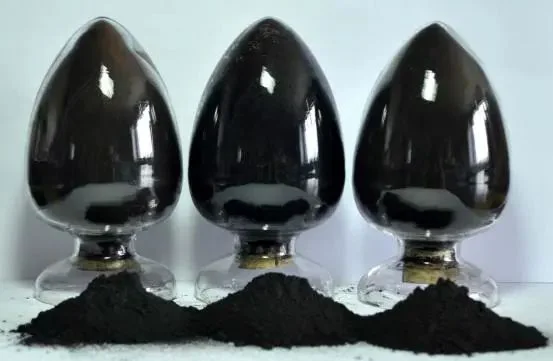
When it comes to carbon black, most people may think it is just a pigment. Carbon black is an essential industrial raw material. It is commonly found in daily life. So how is carbon black closely related to our lives? What role does carbon black play in industry? What is the role of carbon black […]
Comment se développe l'industrie du carbonate de calcium en Inde ?
Calcium carbonate is an important inorganic compound. It is widely used in many industries, including construction, fertilizers, steel, and paints. It is also used in sealants and adhesives. India has rich limestone reserves. Its calcium carbonate industry has grown rapidly. It has huge market potential. Overview of Calcium Carbonate Resources in India India has a […]
Quels sont les problèmes fréquemment rencontrés lors du broyage à sec du carbonate de calcium ?
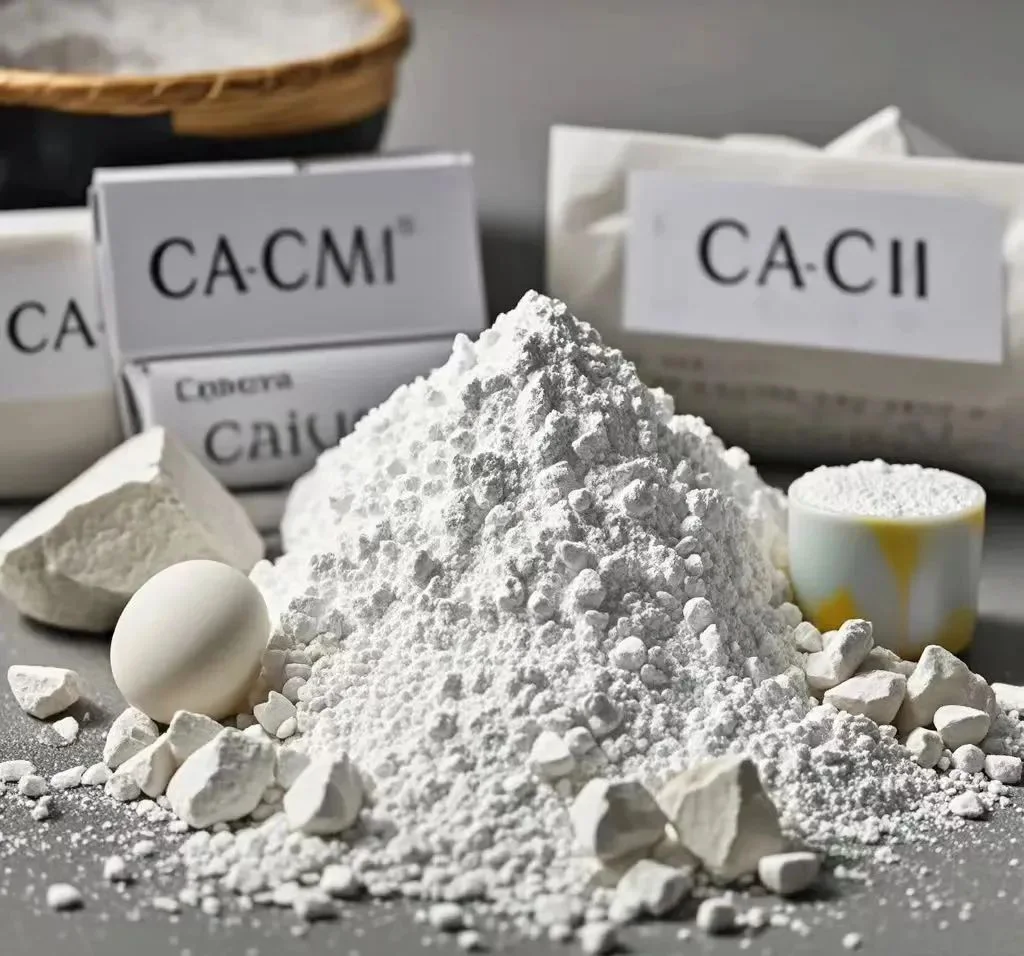
Dry grinding of calcium carbonate makes heavy calcium carbonate. It is a common process. It is widely used. It has a low equipment cost, a simple process, and high output. Its technology is mature and it consumes little energy. However, some problems may arise in production, including but not limited to: Granularity Limitation in Dry […]
34 utilisations de la poudre de carbonate de calcium modifiée
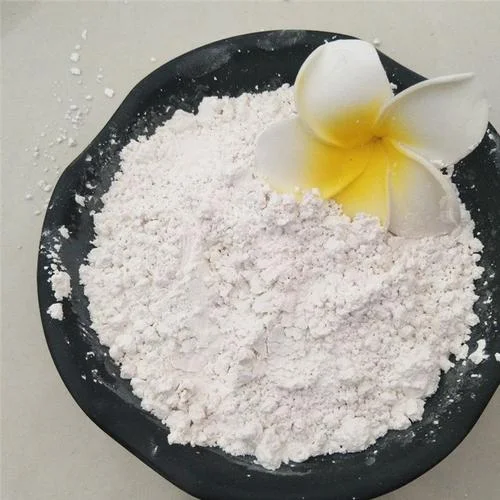
Modified calcium carbonate powder is a versatile material. Its improved properties make it better than natural calcium carbonate. So, it is widely used in many industries. This modified form is made by processes that change its surface, size, and chemistry. It is now suitable for use in plastics, paints, paper, and pharmaceuticals. The changes can […]