
Хуткарослы рынак анодных матэрыялаў
Прагназуецца, што сусветны рынак анодных матэрыялаў для акумулятараў дасягне 13,92 млрд долараў ЗША да 2032 года, расце са сярэдняя гадавая тэмпамі росту 13.58%. Паколькі вытворцы імкнуцца задаволіць патрэбы электрамабіляў і сістэм захоўвання энергіі, апрацоўка парашка аноднага матэрыялу стала крытычным вузкім месцам, якое вызначае прадукцыйнасць акумулятара, яго кансістэнцыю і выхад прадукцыі. Ад ультратонкага памолу графіту да аднароднага змешвання крэмній-вугляродных кампазітаў і дакладнай сушкі, абсталяванне для апрацоўкі парашка непасрэдна ўплывае на размеркаванне памераў часціц, шчыльнасць ушчыльнення і ўзровень забруджвання — фактары, якія ў канчатковым выніку вызначаюць шчыльнасць энергіі, тэрмін службы і бяспеку. EPIC Powder прапануе комплексныя рашэнні для апрацоўкі парашка, адаптаваныя да зменлівых патрэб вытворцаў анодных матэрыялаў.
Гэты выбуховы рост абумоўлены паскарэннем пераходу да электрыфікаванага транспарту і сістэм аднаўляльных крыніц энергіі. Толькі са студзеня па красавік 2025 года сусветны аб'ём усталёвак анодных матэрыялаў для электрамабіляў дасягнуў прыблізна 361 700 тон, што на 43,81 TP3T больш, чым у мінулым годзе. У цяперашні час кітайскія вытворцы дамінуюць на рынку, на іх долю прыпадае прыблізна 94,21 TP3T сусветных паставак анодных матэрыялаў.
У аснове гэтай імкліва развіваючайся галіны ляжыць найважнейшы фактар: абсталяванне для апрацоўкі парашка. Прадукцыйнасць, кансістэнцыя і камерцыйная жыццяздольнасць анодных матэрыялаў для акумулятараў — няхай гэта будзе традыцыйны графіт ці кампазіты на аснове крэмнію наступнага пакалення — кардынальна залежаць ад дакладнасці і надзейнасці абсталявання для драбнення, змешвання і сушкі.
У гэтым артыкуле разглядаюцца тры асноўныя этапы апрацоўкі парашка пры падрыхтоўцы аноднага матэрыялу і даследуецца, як перадавыя рашэнні ў галіне абсталявання дапамагаюць вытворцам задавальняць растучыя патрабаванні да больш высокай шчыльнасці энергіі, больш хуткай зарадкі і больш працяглага тэрміну службы.

Тры асноўныя этапы апрацоўкі парашка ў вытворчасці анодных матэрыялаў
1. Ультратонкае памолванне
Памер часціц і размеркаванне памераў анодных матэрыялаў непасрэдна вызначаюць прадукцыйнасць акумулятара. Графітавыя аноды, якія дазволілі стварыць першыя камерцыйныя літый-іённыя акумулятары, маюць тэарэтычную ёмістасць 372 мАг/г. Для дасягнення аптымальных электрахімічных характарыстык анодныя матэрыялы павінны быць адшліфаваны ў адпаведнасці з дакладнымі спецыфікацыямі, звычайна з дапамогай D50 (сярэдні памер часціц) у дыяпазоне ад 10 да 15 мкм для звычайных графітавых анодаў, і памерам да 2–3 мкм для перадавых матэрыялаў на аснове крэмнію.
Чаму памер часціц мае значэнне:
- Меншыя часціцы забяспечваюць больш электрахімічна актыўныя цэнтры, паляпшаючы кінетыку міграцыі зарада
- Раўнамернае размеркаванне памераў часціц забяспечвае пастаянную шчыльнасць электродаў і зніжае ўнутраны супраціў
- Дакладны кантроль памеру мае важнае значэнне для прадухілення агламерацыі і забеспячэння стабільнай рэалогіі пульпы
Распаўсюджанае абсталяванне для шліфавання, якое выкарыстоўваецца ў вытворчасці анодаў:
| Тып абсталявання | Тыповае прымяненне | Ключавая перавага |
|---|---|---|
| Шаравыя млыны | Шліфаванне анодаў на аснове графіту і вугляроду | Высокаэнергетычнае фрэзераванне для структурнай мадыфікацыі |
| Рэактыўныя млыны | Ультратонкае шліфаванне крэмніевых-вугляродных і цвёрдых вугляродных анодаў | Без забруджванняў, дасягае D50 < 10 мкм |
| Пясчаныя млыны | Вытворчасць нанакрэмнію для крэмніева-вугляродных анодаў | Вырабляе нанамаштабны крэмніевы парашок |
Для крэмніевых анодаў, якія прапануюць выключную тэарэтычную ёмістасць 3579 мАг/г пры пакаёвай тэмпературы — драбненне асабліва важнае. Механічнае шаровае памолванне стала ключавым метадам апрацоўкі цвёрдацельных матэрыялаў для анодных матэрыялаў на аснове крэмнію дзякуючы сваёй рэгуляванай структуры, прастаце эксплуатацыі і маштабаванасці.
Заўвага: Канкрэтныя мэты D50 істотна адрозніваюцца ў залежнасці ад тыпу матэрыялу і спецыфікацый вытворцы. EPIC Powder супрацоўнічае з кожным кліентам, каб вызначыць аптымальнае размеркаванне памераў часціц на аснове яго канкрэтнай хіміі анода і патрабаванняў да прадукцыйнасці.
2. Аднароднае змешванне
Матэрыялы анодаў акумулятараў рэдка выкарыстоўваюцца асобна. Іх неабходна раўнамерна змяшаць з праводзячымі рэчывамі (напрыклад, сажай), злучнымі рэчывамі і іншымі дадаткамі, каб забяспечыць аднолькавыя электрахімічныя ўласцівасці па ўсім электродзе.
Задача змешвання:
Часціцы аноднага матэрыялу, асабліва графіту, часта расслайваюцца падчас пнеўматычнай транспарціроўкі, што прыводзіць да неаднародных фізічных і хімічных уласцівасцей. Гэтая неадпаведнасць можа непасрэдна паўплываць на:
- Тэрмін службы батарэі
- Хуткасць зарадкі/разрадкі
- Эфектыўнасць першага цыкла
Пашыраныя рашэнні для змешвання:
- Планетарныя шаравыя млыны забяспечваюць высокапрадукцыйнае дакладнае драбненне і змешванне матэрыялаў для акумулятараў
- Двухшнекавыя экструдары забяспечваюць бесперапыннае, маштабуемае змешванне для вытворчасці вялікіх аб'ёмаў, з даказанай эфектыўнасцю як для крэмніевых анодаў, так і для катодных матэрыялаў без растваральнікаў
- Разьбовыя секцыі труб у канвеерных сістэмах можа палепшыць прадукцыйнасць змешвання і дасягнуць больш раўнамернага размеркавання часціц
Тэндэнцыя да бесперапынная вытворчасць паскараецца, абумоўлены ростам попыту на высокапрадукцыйныя акумулятары і неабходнасцю эфектыўных, маштабуемых вытворчых працэсаў.
3. Дакладная сушка
Вільгаць і лятучыя рэчывы ў анодных матэрыялах могуць сур'ёзна пагоршыць прадукцыйнасць акумулятара. Лішак вільгаці прыводзіць да:
- Зніжэнне эфектыўнасці першага цыкла
- Паскоранае зніжэнне магутнасці
- Павышаная рызыка газаўтварэння і ацёку клетак
Тэхналогіі сушкі анодных матэрыялаў:
- Распыляльная сушка стаў універсальным і маштабуемым метадам сінтэзу для вырабу мікра-нанаструктураваных анодных матэрыялаў. Ён дазваляе ствараць індывідуальныя кампазіцыі і марфалогіі, якія паляпшаюць апрацоўвальнасць матэрыялаў і эфектыўнасць упакоўкі.
- Для кампазітных анодаў з крэмнію/вугляроду высушаныя распыленнем супрачасціцы — іерархічна структураваныя агламераты — паляпшаюць апрацоўку, мінімізуюць утварэнне цвёрдафазнага электраліта (SEI) і павышаюць электрахімічныя характарыстыкі.
- Звычайныя сушылкі і хлебапякарныя печы застаюцца неабходнымі для выдалення рэшткавай вільгаці з графіту і іншых вугляродных анодных матэрыялаў
Заўвага: Канкрэтныя тэмпературы сушкі, час знаходжання і мэтавыя значэнні вільготнасці адрозніваюцца ў залежнасці ад хімічнага складу матэрыялу. EPIC Powder прапануе індывідуальныя рашэнні для сушкі ў залежнасці ад спецыфікацый матэрыялу і патрабаванняў да вытворчых магутнасцей кожнага кліента.
Рэвалюцыя крэмніевых анодаў
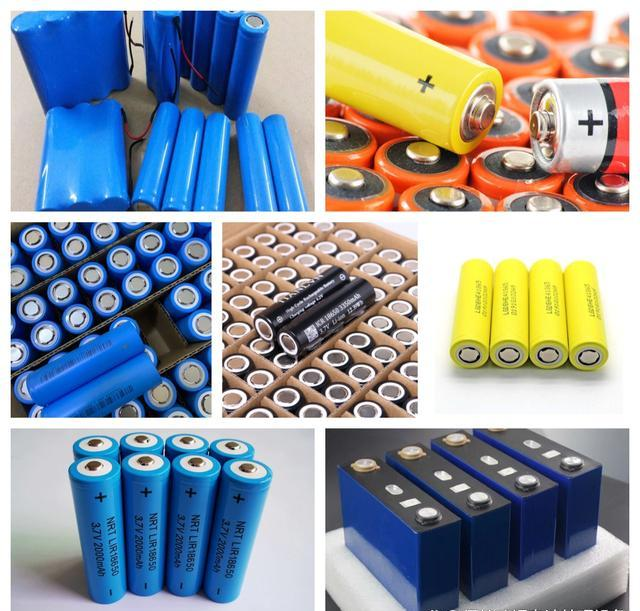
Прамысловасць надзвычай хутка пераходзіць на аноды, узбагачаныя крэмніем. Сусветны рынак крэмніевых анодаў для акумулятараў быў ацэнены ў 4,47 млрд долараў ЗША ў 2025 годзе і, як чакаецца, дасягне 12,33 млрд долараў ЗША да 2032 года, са сукупным гадавым тэмпам росту 15.60%. Чакаецца, што шырэйшы рынак крэмніевых анодных батарэй будзе расці яшчэ хутчэй — з з 1,6 млрд долараў ЗША ў 2025 годзе да 25,6 млрд долараў ЗША да 2032 года, а Сярэдняя гадавая тэмп росту 48,91 TP3T. Паводле прагнозаў, толькі ў Кітаі рынак крэмніевых анодных батарэй дасягне памеру 8,9 млрд долараў ЗША да 2032 года, расце з ашаламляльнай хуткасцю 60,4% сярэдняя гадавая тэмп росту.
Аднак крэмніевыя аноды маюць значныя праблемы з апрацоўкай:
- Пашырэнне аб'ёму (~300%) падчас цыклаў зарадкі/разрадкі
- Цяжкасці з апрацоўкай ультратонкага парашка — крэмніевыя парашкі могуць мець дрэнную цякучасць
- Праблемы бяспекі працэсаў — нанясенне ў кіпячым слоі патрабуе надзвычай высокай герметычнасці абсталявання і кантролю ціску
- Паслядоўнасць партыі — падтрыманне аднастайнай якасці на ўсіх вытворчых цыклах
Гэтыя выклікі патрабуюць абсталяванне для апрацоўкі парашка наступнага пакалення здольны:
- Дасягненне ультратонкае памолванне без забруджвання (D50 ніжэй за 2–3 мкм)
- Апрацоўка абразіўныя і кагезійныя сіліконавыя парашкі без шкоды для чысціні
- Падтрыманне шчыльнае размеркаванне памераў часціц для стабільнай працы электродаў
- Падтрымка маштабаванне ад даследаванняў і распрацовак да масавай вытворчасці
Чаму парашок EPIC?
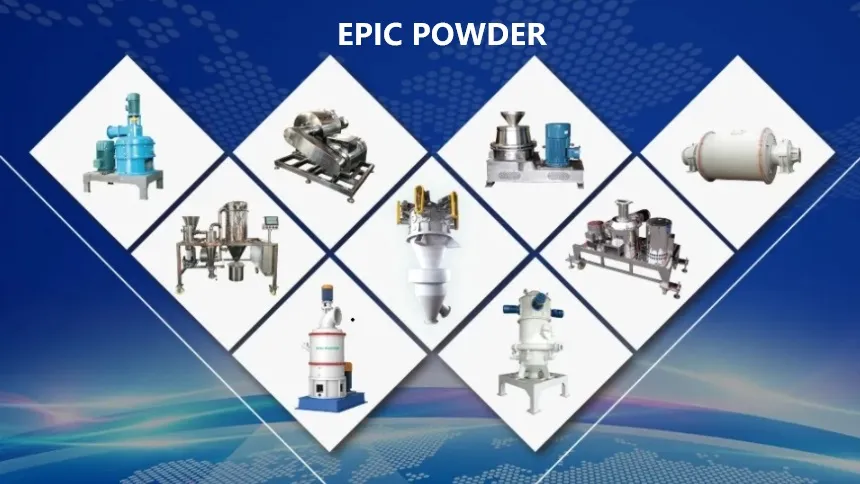
У EPIC Powder мы разумеем, што якасць аноднага матэрыялу пачынаецца з дакладнасці апрацоўкі парашка. Нашы рашэнні ў галіне абсталявання распрацаваны для задавальнення пастаянна зменлівых патрабаванняў акумулятарнай прамысловасці:
- Струменевыя млыны і класіфікатары паветранага патоку для ультратонкага драбнення графітавых, крэмніевых вугляродных і цвёрдых вугляродных анодных матэрыялаў без забруджванняў
- Сістэмы лабараторнага маштабу для даследаванняў і распрацовак і пілотнай вытворчасці, што дазваляе хуткую аптымізацыю працэсаў
- Індывідуальныя рашэнні па апрацоўцы адаптаваныя да канкрэтных хімічных складаў анодаў і вытворчых мэтаў
Заўвага: Канкрэтныя дадзеныя аб прадукцыйнасці абсталявання EPIC Powder даступныя па запыце. Мы рэкамендуем патэнцыйным кліентам звяртацца да нашай тэхнічнай каманды для кансультацый па канкрэтных пытаннях прымянення і правядзення выпрабаванняў.
Заключэнне
Па меры таго, як сусветны рынак анодных матэрыялаў імкліва расце 51–81 млрд долараў ЗША да 2030-2032 гг., Роля абсталявання для апрацоўкі парашка яшчэ ніколі не была такой важнай. Ад ультратонкага памолу да аднароднага змешвання і дакладнай сушкі — кожны этап працэсу вытворчасці анодаў непасрэдна ўплывае на шчыльнасць энергіі акумулятара, тэрмін службы і бяспеку.
Пераход галіны на аноды з умацаваным крэмніем пакрыццём — з іх надзвычайнай магутнасцю, але складанымі патрабаваннямі да апрацоўкі — яшчэ больш павышае важнасць перадавога абсталявання для парашковых парашкоў. Вытворцы, якія інвестуюць у дакладныя, маштабуемыя і без забруджвання рашэнні для апрацоўкі будзе мець найлепшыя магчымасці для росту на гэтым хуткарослым рынку.
EPIC Powder імкнецца забяспечыць абсталяванне і вопыт, якія забяспечваюць наступнае пакаленне анодных матэрыялаў для акумулятараў.
Гэты артыкул быў разгледжаны камандай старэйшых інжынераў-тэхнолагаў EPIC Powder, якія маюць сукупны вопыт работы ў галіне апрацоўкі парашковых матэрыялаў для перадавых прымяненняў больш за 20 гадоў.
📋 Крыніцы і спасылкі на дадзеныя
| Пункт даных | Крыніца |
|---|---|
| Рынак анодных матэрыялаў для акумулятараў: 5,70 млрд. долараў ЗША (2025 г.) → 13,92 млрд. долараў ЗША (2032 г.), сукупны гадавы тэмп росту 13,581 TP3T | 360iResearch праз GII Research |
| Рынак анодаў для літый-іённых акумулятараў: 19,08 млрд. долараў ЗША (2025 г.) → 51,83 млрд. долараў ЗША (2032 г.), сукупны гадавы тэмп росту 15,341 т/3 т | Даследаванні і рынкі |
| Рынак крэмніевых анодных матэрыялаў для акумулятараў: 4,47 млрд. долараў ЗША (2025 г.) → 12,33 млрд. долараў ЗША (2032 г.), сукупны гадавы тэмп росту 15,601 TP3T | 360iResearch праз GII Research |
| Рынак крэмніевых анодных батарэй: 1,6 млрд. долараў ЗША (2025 г.) → 25,6 млрд. долараў ЗША (2032 г.), сукупны гадавы тэмп росту 48,91 т/3 т | MarketGlass праз MarketResearch.com |
| Рынак крэмніевых анодных акумулятараў у Кітаі: 8,9 млрд. долараў ЗША да 2032 года, сукупны гадавы тэмп росту 60,41 т/3 трыльёна долараў ЗША | MarketGlass праз MarketResearch.com |
| Сусветныя ўстаноўкі анодаў (электрамабілі, студзень-красавік 2025 г.): 361,7 тыс. тон, +43,81 тыс. тон у параўнанні з аналагічным перыядам мінулага года | Даследаванні SNE |
| Доля рынку кітайскіх анодаў: ~94,21 TP3T | Даследаванні SNE |
| Тэарэтычная ёмістасць графіту: 372 мАг/г | OSTI.gov |
| Тэарэтычная ёмістасць крэмнію: 3579 мАг/г | Прафесійныя даследаванні праз даследаванні і рынкі |
| Графітавы анод D50 Дыяпазон: 10–15 мкм | Патэнт кампаніі SK On Co., Ltd. |
| Пашырэнне аб'ёму крэмніевага анода: ~300% | Навука аб ВГД |
EPIC парашок
Эпічны парашок, больш за 20 гадоў вопыту работы ў галіне ультратонкіх парашкоў. Актыўна садзейнічаем будучым распрацоўкам ультратонкіх парашкоў, засяроджваючыся на працэсах драбнення, здрабнення, класіфікацыі і мадыфікацыі ультратонкіх парашкоў. Звяжыцеся з намі для бясплатнай кансультацыі і індывідуальных рашэнняў! Наша каманда экспертаў імкнецца прадастаўляць высакаякасныя прадукты і паслугі для максімальнага павелічэння каштоўнасці вашай апрацоўкі парашкоў.
“Дзякуй за чытанне. Спадзяюся, мой артыкул будзе карысным. Калі ласка, пакіньце каментар ніжэй. Вы таксама можаце звязацца з прадстаўніком службы падтрымкі кліентаў EPIC Powder онлайн». Зэльда для любых дадатковых запытаў.”
— Джэйсан Ван, Інжынер