
Buying grinding equipment starts with the wrong question most of the time. Buyers ask which mill is best before they ask what the material actually needs. The right sequence is the opposite. First define the material properties, then the target particle size, then the production scale, and only then match the machine. At Epic Powder Machinery we build jet mills, ball mills, pin mills, and air classifiers. This guide walks through the four material groups that drive most grinding inquiries, and how to match each one to the right machine.
The four questions that decide everything
Before comparing models, answer these four questions. They eliminate most bad choices.
How hard is the material? Hardness controls wear. A quartz feed at Mohs 7 will destroy ordinary mill liners and media, while calcium carbonate at Mohs 3 is gentle on equipment. The harder the feed, the more important wear protection and contamination control become.
How fine does it need to be? Coarse industrial fillers run 200 to 400 mesh. Ultrafine battery or chemical powders run below 5 microns. The finer the target, the more likely you need a jet mill or a ball mill plus high-precision classifier.
Is it heat sensitive or reactive? Some materials cake, degrade, or oxidize when the mill heats up. That rules out long-residence systems and points toward jet mills or pin mills with cooling.
What is the daily output target? A lab-scale jet mill and a 10 ton per hour ball mill line solve different problems. Capacity has to be sized with the product margin in mind.
Material type guide: four groups that cover most inquiries
| Material group | Common examples | Mohs hardness | Typical target size | Best starting equipment |
| Soft non-metallic minerals | Calcium carbonate, talc, barite | 1 to 3.5 | 200 mesh to 2500 mesh | Ball mill + air classifier; jet mill for premium grades |
| Hard non-metallic minerals | Quartz, silica sand, feldspar | 6 to 7 | 325 mesh to 2000 mesh | Jet mill; ceramic-lined ball mill + classifier |
| Акумулятарныя матэрыялы | LFP cathode, graphite anode | 5 to 7 | D50 1 to 20 μm | Fluidized bed jet mill; air classifier |
| Heat-sensitive chemicals | Pesticides, pigments, dyes, pharma intermediates | varies | 10 to 50 μm | Jet mill; pin mill with cooling |
The rest of this guide looks at each group in more detail, and explains why a particular Epic Powder Machinery configuration fits.
Soft non-metallic minerals: high volume, cost-first
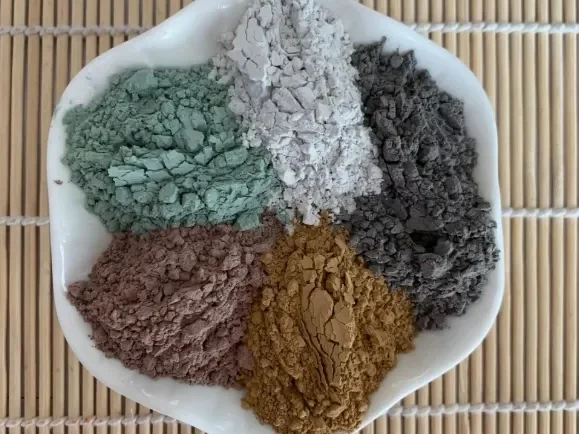
Calcium carbonate, talc, and barite are the classic bulk fillers. They are soft, white, and cheap in raw form. The business model depends on moving large volumes at low cost per ton, so the equipment has to be efficient at scale and consistent over long runs.
For the 200 to 800 mesh grades that go into putty, mortar, plastics, and coatings, a ball mill paired with an air classifier is usually the right starting point. The ball mill handles the grinding load, and the classifier holds the top cut and tightens the particle size distribution. This combination is the standard route for the high-tonnage grades that fill bulk bags and tank trucks.
When the market demands premium grades, such as 1250 to 2500 mesh polymer putty filler or ultrafine talc, a jet mill becomes the better tool. It produces a cleaner, more concentrated size distribution and avoids the media contamination that can dull whiteness. For these applications the buyer is paying for performance, not just volume.
Hard non-metallic minerals: wear control comes first
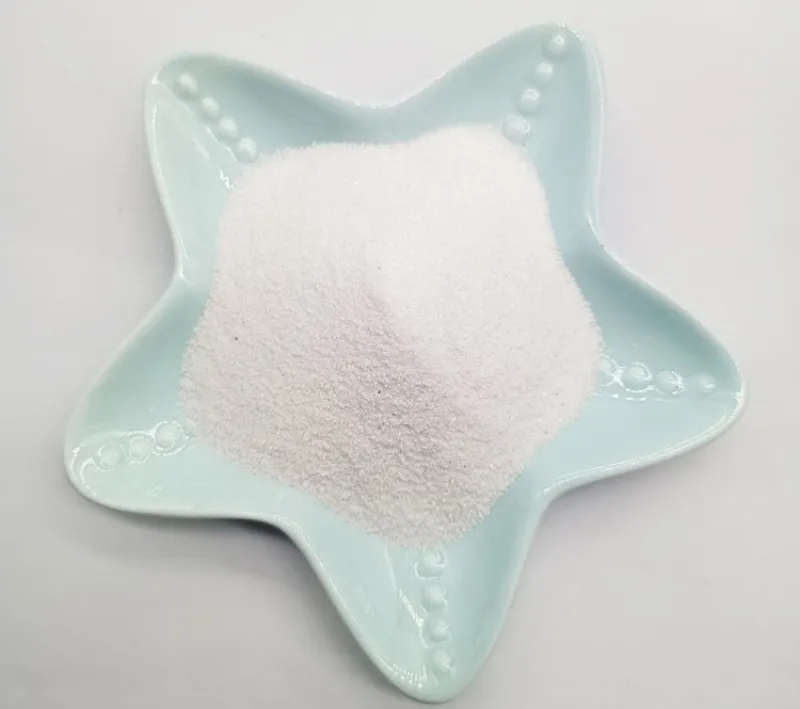
Quartz, silica sand, and feldspar are much harder than calcium carbonate. At Mohs 6 to 7 they will wear ordinary steel parts quickly, introduce iron contamination, and change the powder color. The first specification decision is not fineness. It is how to protect the machine and the product from each other.
A jet mill is often the cleanest choice for hard minerals because it grinds by particle-on-particle impact in a high-speed air stream, with no moving media inside the grinding zone. That eliminates the main source of metallic contamination and reduces wear-part replacement to classifier wheels and lining sections.
For very large tonnages at coarser sizes, a ceramic-lined ball mill with an air classifier can be more economical. The ceramic lining protects against wear and keeps iron pickup low, while the classifier controls the top size. The trade-off is a wider residence-time distribution than a jet mill, so this route is better when the application tolerates a broader particle size spread.
Battery materials: purity and distribution are everything
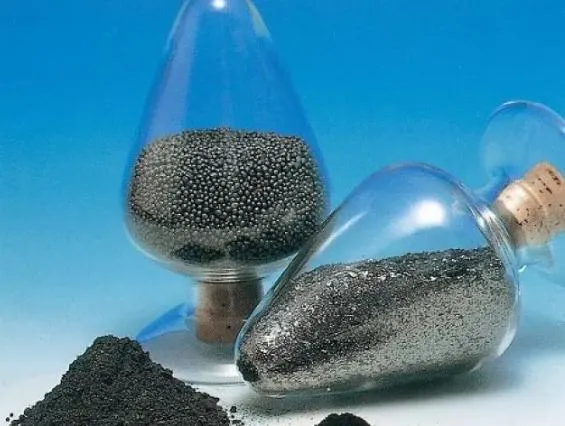
Battery cathode and anode powders are the most demanding materials a grinding line can process. The particle size window is narrow, metallic contamination is unacceptable, and batch-to-batch consistency directly affects cell performance.
For lithium iron phosphate, or LFP, industry targets typically call for a D50 of 1 to 3 microns, a D90 below 5 microns, and a narrow particle size distribution span. Epic Powder Machinery has delivered LFP grinding lines that hit D50 around 1.3 microns using a fluidized bed jet mill, while controlling metallic impurity pickup. The jet mill is the right tool here because it reaches submicron to low-micron sizes without media, and its classifier loop holds the distribution tight.
Graphite anode material is different. Natural or synthetic graphite is tough and lubricious, so it resists fracture and tends to smear. Depending on whether the material is intended for direct anode use or for subsequent spheronization, the target D50 usually falls in the 10 to 20 micron range, with tight control on the top cut. A jet mill or a specialized air classifier mill handles this better than a conventional ball mill because it avoids overgrinding and protects the graphite structure.
In both cases, the classifier is as important as the mill. Battery buyers should always evaluate the classifier, not just the grinding chamber.
Heat-sensitive chemicals and pesticides: keep it cool and fast
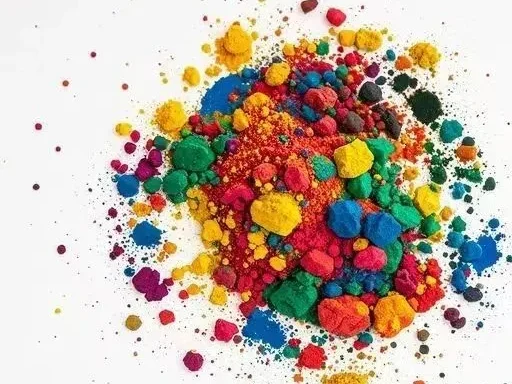
Pesticides, pigments, dyes, and many pharmaceutical intermediates cannot tolerate heat. Long residence time in a mill raises temperature, which can degrade active ingredients, change color, or cause caking. The goal is high-impact grinding with short residence time and temperature control.
А рэактыўны млын solves this naturally. Grinding happens in seconds in a cold air stream, and the material leaves the chamber before it has time to heat up. For materials that need to stay below a specific temperature, chilled compressed air or nitrogen can be used.
А pin mill with cooling jacket and high air flow is the practical alternative for coarser chemical grades, roughly 80 to 400 mesh. It runs at high speed with low retention time, and it is easier to clean between batches, which matters when a plant switches active ingredients frequently.
What each Epic Powder Machinery machine does best
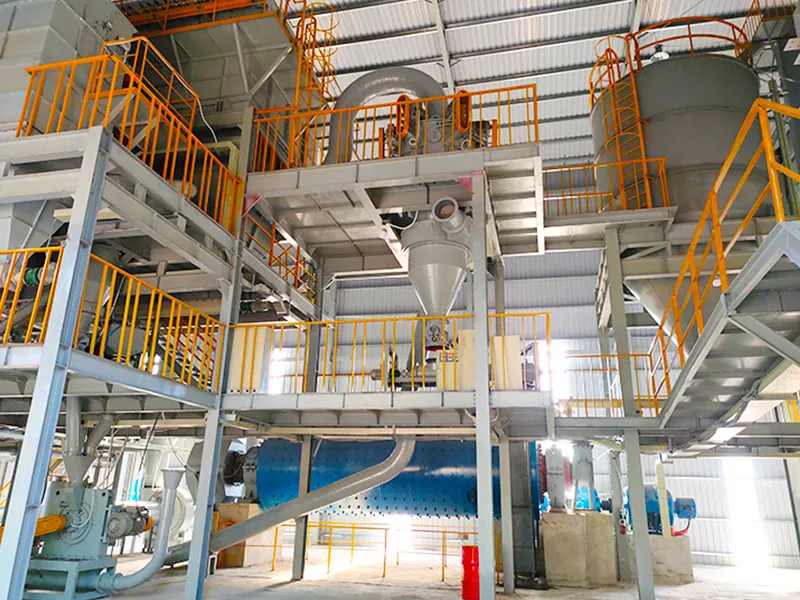
Matching material to machine becomes easier once the machine families are clear.
Рэактыўныя млыны grind by high-speed air impact with no grinding media. They are best for ultrafine sizes below 10 microns, heat-sensitive materials, and any application where contamination must be minimized. Battery materials, premium non-metallic minerals, and fine chemicals usually land here.
Ball mills with air classifiers are the workhorse for medium to coarse non-metallic minerals from 200 mesh to about 1000 mesh. They offer the lowest cost per ton at high capacity and are the standard choice for calcium carbonate, talc, and barite fillers.
Штыфтавыя млыны fill the gap between ball mills and jet mills. They handle medium-fine sizes, heat-sensitive feeds, and applications that need frequent changeover. They are common in food, chemical, and some mineral processing lines.
Паветраныя класіфікатары are often treated as accessories, but they are the quality gate. A classifier holds the D97, removes oversize particles, and tightens the particle size distribution. Whether paired with a ball mill or integrated into a jet mill loop, it is what turns a ground powder into a specification-grade product.
Mistakes buyers make when choosing grinding equipment
Four mistakes show up again and again.
Buying on initial price instead of cost per ton. A cheaper mill with high wear-part consumption or high energy use can cost far more over five years than a better-built machine.
Ignoring the classifier. The mill creates particles; the classifier decides which ones leave the building. A weak classifier ruins an otherwise good grinding line.
Forgetting about material testing. Every ore body, chemical feed, and battery precursor behaves differently. Running a sample through the actual machine is the only way to confirm the real output.
Mismatching hardness and machine. Running quartz through a mill designed for talc leads to rapid wear, contamination, and unplanned downtime.
How Epic Powder Machinery matches equipment to material
Our process starts with the material, not the catalog. We ask about hardness, target size, capacity, contamination limits, and heat sensitivity. Then we test samples in our pilot plant to confirm real performance before we recommend a line.
For soft minerals we usually propose a ball mill plus air classifier for the high-volume grades, and a jet mill for the premium ultrafine grades. For hard minerals we lean toward jet mills or ceramic-lined systems. For battery materials we use fluidized bed jet mills with integrated classifiers to hit the tight D50 and D90 windows that cathode and anode makers require. For heat-sensitive chemicals and pesticides we select jet mills or pin mills with cooling and fast cleanout.
The result is a line sized to the material, not a machine forced to fit.
Send us your material and target spec
If you are choosing grinding equipment for a new plant or upgrading an existing line, send us your material and your target particle size. We will run tests and recommend the equipment that matches your material, your capacity, and your quality target.
Эпічны парашок
At Epic Powder, we offer a wide range of equipment models and tailor solutions to meet your specific needs. Our team has more than 20 years experience in various powders processing. Epic Powder is specialized in fine powder processing technology for mineral industry, chemical industry, food industry, pharama industry, etc. Contact us today for a free consultation and customized solutions!

“Дзякуй за чытанне. Спадзяюся, мой артыкул будзе карысным. Калі ласка, пакіньце каментар ніжэй. Вы таксама можаце звязацца з прадстаўніком службы падтрымкі кліентаў EPIC Powder онлайн». Зэльда для любых дадатковых запытаў.”
— Джэйсан Ван, Інжынер