
Grafit semula jadi merupakan satu strategik mineral bukan logam terkenal dengan prestasi pelbagai fungsinya yang luar biasa. Dengan kestabilan terma yang luar biasa, kekuatan tinggi, kekonduksian elektrik dan terma yang sangat baik, stabil kimia Sifat-sifatnya, dan kelinciran, keplastikan dan rintangan kejutan haba yang unggul, grafit semula jadi memainkan peranan yang tidak tergantikan merentasi industri tradisional dan sektor strategik yang baru muncul. Ia sering dirujuk sebagai sumber utama yang menyokong pembangunan berteknologi tinggi abad ke-21. Seiring kemajuan teknologi, nilai grafit semula jadi terus meningkat.
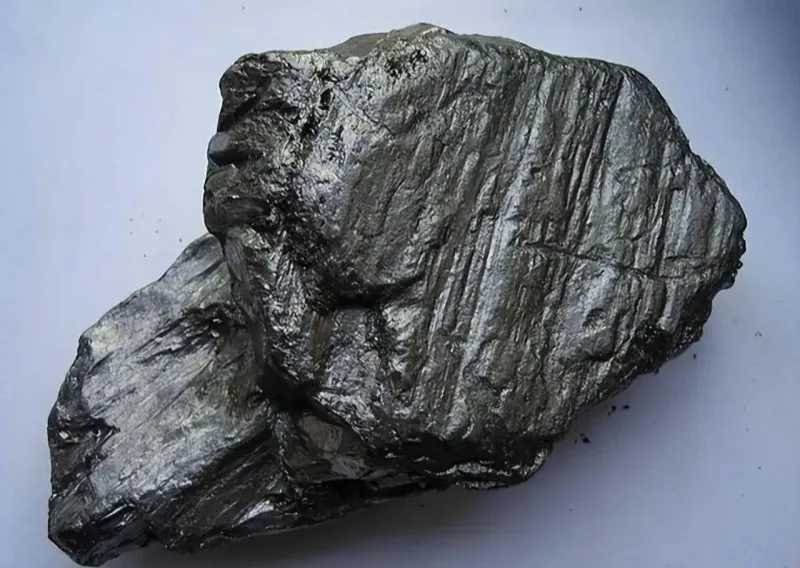
Grafit semula jadi berwarna hitam dan teksturnya licin. Berdasarkan morfologi kristalnya, ia boleh dikelaskan kepada grafit kristal dan grafit kriptokristalin. Grafit kristal termasuk grafit kepingan dan grafit gumpalan. Apabila lapisan grafit individu disusun secara teratur, grafit kepingan dengan rupa sisik ikan terbentuk; apabila susunan lapisan tidak teratur, grafit gumpalan padat terhasil.
Grafit kriptokristalin mempunyai butiran kristal yang sangat kecil, kelihatan seperti tanah atau tanah liat. Struktur kristalnya hanya boleh diperhatikan di bawah mikroskop elektron. Morfologi kristal berkait rapat dengan nilai perindustrian—secara amnya, semakin tinggi kekristalan, semakin baik prestasinya. Atas sebab ini, grafit kepingan mempunyai nilai yang sangat tinggi dalam industri maju.
Bidang Aplikasi Utama bagi Grafit Semulajadi
Aplikasi Perindustrian Tradisional
Bahan Refraktori dan Tuangan
Grafit semula jadi digunakan secara meluas dalam industri metalurgi. Elektrod grafit, dengan sifat elektrik dan terma yang sangat baik, merupakan komponen utama dalam relau arka elektrik untuk pembuatan keluli. Refraktori berasaskan grafit, yang terkenal dengan rintangan suhu tinggi dan kestabilan kimianya, digunakan untuk melapisi relau pembuatan besi, pembuatan keluli dan logam bukan ferus, sekali gus meningkatkan jangka hayat dengan ketara. Grafit semula jadi juga digunakan sebagai karburator untuk melaraskan kandungan karbon dalam keluli dan besi lebur, mengoptimumkan sifat mekanikal.
Bahan Pengedap
Disebabkan rintangan kakisannya yang kuat, grafit semula jadi kekal stabil dalam persekitaran yang keras. Grafit yang dikembangkan daripada grafit kepingan merupakan bahan pilihan untuk aplikasi pengedap kejuruteraan moden. Lembaran grafit fleksibel dan komponen pengedap digunakan secara meluas dalam automobil, aeroangkasa, tenaga nuklear, petrokimia, jentera, elektronik, kuasa dan kejuruteraan marin.
Bahan Geseran
Grafit semula jadi merupakan pengubah geseran penting dalam pad brek dan plat klac, hasil daripada kekonduksian terma, kekonduksian elektrik, rintangan suhu tinggi dan daya ricih antara lapisan yang rendah. Permintaan pasarannya berkait rapat dengan industri lokomotif dan automotif.
Pelincir dan Bahan Penyerap
Grafit semula jadi berfungsi sebagai pelincir pepejal yang sangat baik dan diproses menjadi pelincir grafit serbuk, berasaskan minyak dan berasaskan air. Struktur berliang grafit yang dikembangkan membolehkan penyerapan minyak dan molekul organik yang kuat, menjadikannya berguna dalam rawatan air sisa dan pemulihan tumpahan minyak marin.
Aplikasi Strategik yang Baru Muncul
Bahan Anod Bateri Litium-Ion
Grafit semula jadi kekal sebagai bahan anod yang paling biasa untuk bateri litium-ion kerana kekonduksian dan kelebihan kosnya yang sangat baik. Walaupun grafit buatan menawarkan jangka hayat kitaran dan prestasi kadar yang unggul, bahan anod moden sering menggabungkan grafit semula jadi dan buatan untuk mengimbangi prestasi dan kos. Memandangkan kenderaan elektrik dan sistem penyimpanan tenaga berkembang pesat, grafit semula jadi menjadi salah satu bahan mentah yang paling pesat berkembang dalam industri anod.
Pengeluaran Grafena
Grafit semula jadi merupakan bahan mentah utama untuk grafena. Dengan kekuatan mekanikal, kekonduksian terma dan sifat elektrik yang luar biasa, grafena digunakan dalam salutan antikarat, filem pengurusan terma, paparan fleksibel, sensor canggih dan banyak lagi. Ia juga mempunyai potensi yang ketara dalam fotonik, bioperubatan dan teknologi semikonduktor generasi akan datang.
Bahan Industri Nuklear
Grafit semula jadi berketulenan tinggi adalah penting untuk reaktor nuklear sebagai moderator neutron. Disebabkan kestabilan suhu tinggi dan integriti mekanikalnya yang sangat baik, grafit juga digunakan sebagai bahan struktur dalam jenis reaktor tertentu, terutamanya dalam reaktor yang disejukkan gas suhu tinggi di mana grafit berfungsi sebagai teras dan bahan pemantul.
Pengisaran Ultrahalus Serbuk Grafit
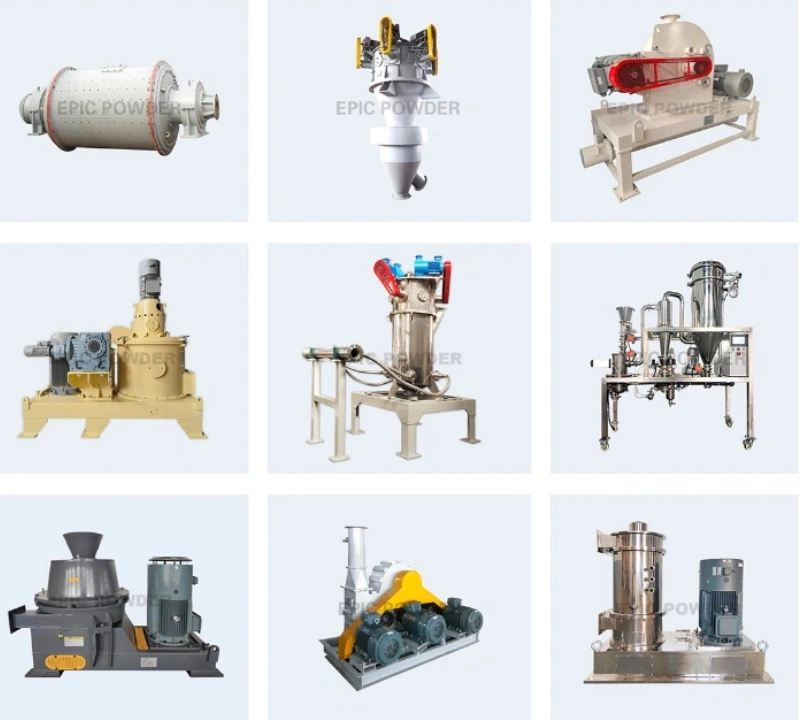
Untuk memenuhi keperluan ketat anod bateri litium, pengeluaran grafena, pelincir berprestasi tinggi dan bahan gred nuklear, grafit semula jadi selalunya memerlukan pengisaran ultrahalus dan pengelasan yang tepat. Ini membolehkan penghasilan serbuk dengan pengoptimuman saiz Zarah, integriti kristal yang terpelihara dan ketulenan yang tinggi.
Teknologi biasa termasuk:
Kilang Jet Pengisaran Ultrafine
- Menggunakan perlanggaran aliran udara berkelajuan tinggi untuk pengisaran
- Menghasilkan PSD sempit yang bebas pencemaran
- Sesuai untuk grafit ketulenan tinggi 1–10 μm
- Sangat baik untuk pemeliharaan struktur kepingan
mekanikal Kilang Kesan + Pengelas Dinamik
- Sesuai untuk D50 5–20 μm
- Daya pemprosesan dan kecekapan tenaga yang tinggi
- Roda pengelas menyediakan kawalan saiz zarah yang halus
Pengelas Udara Ultrahalus
- Mencapai D97 < 5 μm
- Sesuai untuk agen konduktif, pelincir mewah dan grafit ultra tulen
Seiring perkembangan aplikasi hiliran, teknologi pemprosesan grafit bergerak ke arah ketulenan yang lebih tinggi, pencemaran yang lebih rendah dan automasi yang lebih pintar.
Kesimpulan
Kajian moden menjelaskan bahawa kekristalan, saiz zarah, ketulenan dan morfologi grafit semula jadi secara asasnya menentukan prestasinya merentasi aplikasi mewah seperti bateri litium-ion, grafen, kejuruteraan nuklear dan pelincir canggih. Hanya serbuk grafit berkualiti tinggi, berketulenan tinggi dan dikawal dengan tepat dapat memenuhi piawaian bahan generasi akan datang yang semakin meningkat.
Dengan lebih 20 tahun kepakaran dalam pengisaran dan pengelasan ultrahalus, Bedak Epik menyediakan penyelesaian komprehensif untuk pemprosesan grafit, termasuk:
- Kilang jet untuk pengisaran ultrahalus berketulenan tinggi dan bebas pencemaran
- Kilang pengelas untuk pemprosesan serbuk sederhana hingga halus yang cekap
- Sistem sferonisasi grafit untuk bahan anod bateri
- Pengelas udara jitu untuk kawalan PSD yang ketat
- Sistem bersepadu sepenuhnya dengan perlindungan letupan, kawalan pencemaran dan automasi
Peralatan Epic Powder membolehkan pengisaran grafit kepingan yang memelihara struktur kristal, penyahagglomerasian grafit kriptokristalin yang mendalam dan penyesuaian taburan zarah yang tepat untuk memenuhi keperluan bateri litium, grafen dan aplikasi gred nuklear.
Memandangkan permintaan global untuk grafit berkualiti tinggi terus meningkat—didorong oleh tenaga baharu, aeroangkasa, pertahanan dan bahan termaju—penggunaan sumber grafit yang cekap dan pemprosesan mendalam akan menjadi semakin kritikal. Melalui inovasi teknologi berterusan dan penyelesaian peralatan pintar, Epic Powder akan terus menyokong evolusi industri grafit ke arah pembangunan mewah, hijau dan pintar, sekali gus membuka nilai yang lebih besar daripada grafit semula jadi.
"Terima kasih kerana membaca. Saya harap artikel saya membantu. Sila tinggalkan komen di bawah. Anda juga boleh menghubungi wakil pelanggan dalam talian Zelda untuk sebarang pertanyaan lanjut."
- Dihantar oleh Emily Chen