
বছরের পর বছর ধরে, কৃষি ফিল্ম প্রস্তুতকারক এবং কৃষকরা কিছু অবিরাম চ্যালেঞ্জের সাথে লড়াই করে আসছেন: ধীর গ্রিনহাউস উষ্ণায়ন, সহজে ছিঁড়ে যাওয়া ফিল্ম, রোল আটকে যাওয়ার কারণে পরিচালনায় অসুবিধা, এবং বায়োডিগ্রেডেবল বিকল্পগুলির উচ্চ মূল্য। শিল্পের এই দীর্ঘদিনের সমস্যাগুলির সমাধান এখন একটি অপ্রত্যাশিত উৎস থেকে এসেছে: অতি-সূক্ষ্ম, পৃষ্ঠতল-সংশোধিত ট্যালক পাউডার.
একসময় সস্তা ও নিম্নমানের ফিলার হিসেবে বাতিল করা হলেও, সারফেস অ্যাক্টিভেশন এবং ন্যানো-কম্পোজিট পরিবর্তনের মাধ্যমে ট্যালকের রূপান্তর ঘটেছে। বর্তমানে এটি একটি অপরিহার্য উপাদান হয়ে উঠেছে। কার্যকরী পাউডার পরবর্তী প্রজন্মের কৃষি ফিল্মের জন্য, যা গ্রিনহাউসের তাপীয় ফিল্ম, আলো বিচ্ছুরণকারী ফল ও সবজির ফিল্ম, কালো আগাছা দমনকারী মালচ ফিল্ম, জৈব-বিয়োজনযোগ্য ফিল্ম এবং দীর্ঘস্থায়ী আবহাওয়া-প্রতিরোধী ফিল্ম হিসেবে ব্যবহৃত হচ্ছে।.
এই নিবন্ধে কৃষি ফিল্মের প্রয়োগে ট্যালক পাউডারের উদ্ভাবনী মূল্য, মূল কার্যকারিতা এবং গুরুত্বপূর্ণ নির্বাচন মানদণ্ড বিশদভাবে আলোচনা করা হয়েছে।.
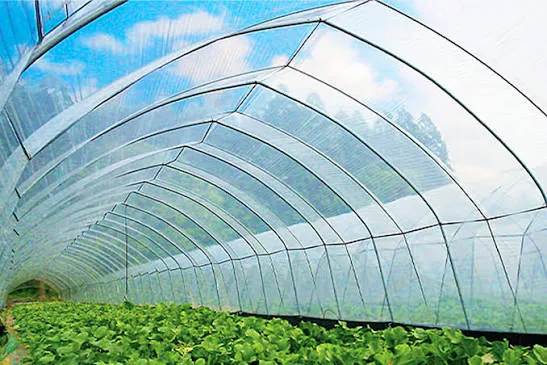
কৃষি ফিল্মে ট্যালকের প্রাকৃতিক সুবিধা
ট্যাল্ক, একটি প্রাকৃতিক স্তরযুক্ত ফাইলোসিলিকেট (হাইড্রেটেড ম্যাগনেসিয়াম সিলিকেট), এর তিনটি অনন্য বৈশিষ্ট্য রয়েছে যা এটিকে ফিল্ম অ্যাপ্লিকেশনের জন্য ক্যালসিয়াম কার্বনেট বা কাওলিনের মতো বিকল্পগুলির চেয়ে উন্নত করে তোলে।.
- উন্নত ইনফ্রারেড (IR) ব্লকিং: ট্যালকে থাকা সিলিকন এটিকে ইনফ্রারেড বিকিরণ প্রতিরোধ করার এক অসাধারণ ক্ষমতা প্রদান করে। রাতে, এই বৈশিষ্ট্যটি গ্রিনহাউসের ভিতরে তাপ আটকে রাখে, যা সাধারণ ক্যালসিয়াম কার্বোনেট ফিলারগুলির তুলনায় উল্লেখযোগ্যভাবে বেশি কার্যকর।.
- PE রেজিনের সাথে প্রতিসরাঙ্ক মেলানো: উচ্চ সূক্ষ্মতায় প্রক্রিয়াজাত করা হলে, ট্যালকের প্রতিসরাঙ্ক পিই রেজিনের প্রতিসরাঙ্কের প্রায় সমান হয়ে যায়। এর মানে হলো, এটি যোগ করলে আলোর সঞ্চালন ক্ষতি ন্যূনতম হয়, যা ফসলের জন্য পর্যাপ্ত সূর্যালোক নিশ্চিত করে।.
- প্রাকৃতিক পিচ্ছিলকারক এবং প্রতিবন্ধকতা-রোধী বৈশিষ্ট্য: ট্যালকের স্তরযুক্ত গঠন স্বাভাবিকভাবেই পিচ্ছিল। এটি সহজাতভাবেই ফিল্ম আটকে যাওয়া রোধ করে, ফলে অতিরিক্ত জৈব অ্যান্টি-ব্লকিং এজেন্টের প্রয়োজনীয়তা কমে যায় এবং ফিল্ম নাড়াচাড়া করা সহজ হয়।.
- রাসায়নিক স্থিতিশীলতা এবং ইউভি প্রতিরোধ ক্ষমতা: ট্যালক রাসায়নিকভাবে স্থিতিশীল এবং ফিল্ম অ্যাডিটিভের সাথে প্রতিক্রিয়া করে না। এটি ইউভি স্টেবিলাইজারের সাথে সমন্বিতভাবে কাজ করে ফিল্মের আবহাওয়া প্রতিরোধ ক্ষমতা এবং বার্ধক্য-রোধী বৈশিষ্ট্য বৃদ্ধি করতে পারে।.
সাধারণ প্রয়োগের ক্ষেত্রে, ট্যালক যোগ করা হয় 1%–6% ওজন অনুসারে। পরিবর্তিত বিশেষ ট্যালক নির্দিষ্ট পণ্যের চাহিদা মেটাতে নমনীয়ভাবে তৈরি করা যায় এবং বড় ধরনের সরঞ্জাম পরিবর্তন ছাড়াই এটি স্ট্যান্ডার্ড ব্লোন ফিল্ম এক্সট্রুশন লাইনের সাথে সামঞ্জস্যপূর্ণ।.
কৃষি ফিল্মের কর্মক্ষমতা উন্নত করার ছয়টি উদ্ভাবনী প্রয়োগ
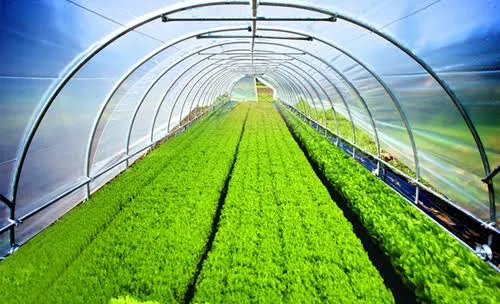
১. গ্রিনহাউস থার্মাল ফিল্ম – রাতের বেলায় তাপ ধরে রাখা
এটি ট্যালকের সবচেয়ে পরিণত এবং কার্যকর প্রয়োগ। দিনের বেলায়, সালোকসংশ্লেষণের জন্য স্বল্প-তরঙ্গের সৌর বিকিরণ ফিল্মটির মধ্য দিয়ে যায়। রাতে, ফিল্মের মধ্যে থাকা ট্যালক মাটি ও গাছপালা থেকে নির্গত অবলোহিত বিকিরণকে দক্ষতার সাথে আটকে দেয়, ফলে তাপের অপচয় কমে যায়। ট্যালক-মিশ্রিত ফিল্ম ব্যবহারকারী গ্রিনহাউসগুলিতে রাতের তাপমাত্রা বৃদ্ধি পেতে দেখা যায়। ২–৪°সে (৩.৬–৭.২°ফা) , যার ফলে গরম করার খরচ উল্লেখযোগ্যভাবে কমে যায়।.
২. আলো-বিচ্ছুরণকারী ফিল্ম – অধিক উৎপাদন ও উন্নততর গুণমান
প্রচলিত স্বচ্ছ ফিল্ম তীব্র, সরাসরি সূর্যালোক সৃষ্টি করতে পারে যা পাতা ও ফল পুড়িয়ে দেয়। অতি-সূক্ষ্ম পরিবর্তিত ট্যালক যোগ করলে সরাসরি আলো একটি নরম, বিচ্ছুরিত আলোতে রূপান্তরিত হয় যা ফসলের পাতার আচ্ছাদনের গভীরে প্রবেশ করে। এর ফলে যা হয়:
- 10–15% উন্নতি সালোকসংশ্লেষণ দক্ষতায়।.
- স্ট্রবেরি, আঙুর ও টমেটোর মতো ফলের অভিন্ন রঙ।.
- ফলের বিকৃতিতে উল্লেখযোগ্য হ্রাস।.
এই ফর্মুলেশনটি এখন প্রিমিয়াম ও বুটিক সবজি খামারগুলিতে উন্নত মানের ফল ও সবজি চাষের জন্য মূলধারার পছন্দ।.
৩. অ্যান্টি-ব্লক ও দীর্ঘস্থায়ী ফিল্ম – আঠালোভাবের সমাধান করে, গতি বাড়ায়
ফিল্ম ব্লকিং—যেখানে উৎপাদন, সংরক্ষণ বা স্থাপনের সময় স্তরগুলো একে অপরের সাথে আটকে যায়—একটি বড় সমস্যা। ট্যালকের কণা ফিল্মের পৃষ্ঠে আণুবীক্ষণিক উঁচু অংশ তৈরি করে, যা স্তরগুলোকে ভৌতভাবে আলাদা করে দেয় এবং ঘর্ষণ সহগ কমিয়ে দেয়।.
এর ফলে যা হয়:
- মসৃণভাবে বেলা, চেরা এবং ছড়ানো চলচ্চিত্রটির।.
- উন্নত টান এবং ছিদ্র প্রতিরোধ ক্ষমতা, অশ্রু নিবারণ করা।.
- 30% পর্যন্ত দীর্ঘ ফিল্মের জীবনকাল, যার ফলে কৃষকদের জন্য প্রতিস্থাপনের হার ও খরচ কমে আসে।.
- দ্রুততর উৎপাদন গতি এবং কম বাতিল হার চলচ্চিত্র নির্মাতাদের জন্য।.
৪. আবহাওয়া-প্রতিরোধী ফিল্ম – ক্ষয় রোধ
সাধারণ পিই ফিল্ম বাইরে মাত্র ছয় মাস থাকার পরেই ভঙ্গুর হয়ে ফেটে যেতে পারে। পরিবর্তিত ট্যালক, ইউভি শোষকের সাথে একত্রে কাজ করে, পলিমার ম্যাট্রিক্সকে ইউভি ক্ষয় থেকে রক্ষা করে। এটি বার্ধক্য প্রক্রিয়াকে ধীর করতে পারে। ৩০১টিপি৩টি এর বেশি , এর ফলে মালচ ফিল্মের আয়ু এক বছর থেকে বেড়ে দেড় বছর এবং গ্রিনহাউস ফিল্মের আয়ু এক বছর থেকে বেড়ে দুই-তিন বছর হয়। এটি কৃষিজনিত প্লাস্টিক বর্জ্য ব্যাপকভাবে হ্রাস করে এবং “শ্বেত দূষণ” প্রশমিত করে।”
৫. জৈব-বিয়োজনযোগ্য মালচ ফিল্ম (পিবিএটি/পিএলএ) – আদর্শ সামঞ্জস্যপূর্ণ ফিলার
সম্পূর্ণ জৈব-বিয়োজনযোগ্য ফিল্মকে উৎসাহিত করার নীতিমালার কারণে বিশুদ্ধ পিবিএটি/পিএলএ রেজিনগুলো কিছু সমস্যার সম্মুখীন হচ্ছে: এগুলো ব্যয়বহুল, এদের প্রতিবন্ধক ক্ষমতা দুর্বল এবং এগুলো সহজে ছিঁড়ে যায়।.
সিলেন-সক্রিয় ট্যালক নিখুঁত সমাধান হলো:
- PBAT ব্যবহার 15–20% দ্বারা হ্রাস করে, উপকরণের খরচ উল্লেখযোগ্যভাবে কমিয়ে দেয়।.
- ফিল্মের দৃঢ়তা এবং প্রসার্য শক্তি বৃদ্ধি করে।, মাঠে প্রয়োগের সময় ছিঁড়ে যাওয়া প্রতিরোধ করে।.
- জলরোধী বৈশিষ্ট্য উন্নত করে, মাটিতে ফিল্মটির কার্যকর জীবনকাল বাড়িয়ে দেয়।.
- একটি প্রাকৃতিক খনিজ হওয়ায়, এটি মাটির কোনো গৌণ দূষণ ছাড়াই পচে যায়, যা সবুজ কৃষি উদ্যোগের সাথে পুরোপুরি সামঞ্জস্যপূর্ণ।.
৬. কালো আগাছা দমনকারী মালচ ফিল্ম – দ্বৈত ক্রিয়া
কালো মালচ ফিল্মে অতি-সূক্ষ্ম ট্যালকের সাথে কার্বন ব্ল্যাক মেশানো হয়। এই ফর্মুলেশনটি ফিল্মটির অস্বচ্ছতা বাড়িয়ে উন্নত আগাছা দমন ক্ষমতা প্রদান করে, ফলে হার্বিসাইডের ব্যবহার কমে যায়। একই সাথে, এটি ফিল্মটির দৃঢ়তা বৃদ্ধি করে, যা মাটি চাষ এবং কৃষি যন্ত্রপাতি পরিচালনার সময় ছিঁড়ে যাওয়া প্রতিরোধ করে এবং মাটির আর্দ্রতা ধরে রাখে—যা শুষ্ক অঞ্চলের জন্য একটি উল্লেখযোগ্য সুবিধা।.
কৃষি ফিল্ম ট্যালকের মূল প্রযুক্তিগত বৈশিষ্ট্য
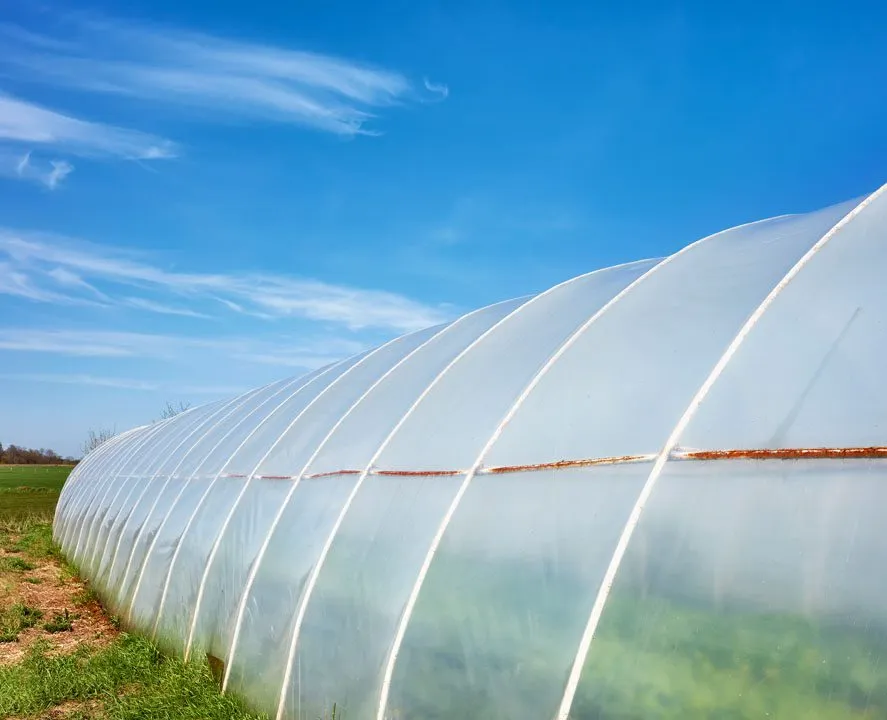
ফিল্মের অনেক ত্রুটি—যেমন সাদা দাগ, কম স্বচ্ছতা, ভঙ্গুরতা এবং দ্রুত পুরোনো হয়ে যাওয়া—ভুল গ্রেডের ট্যালক বেছে নেওয়ার কারণে হয়ে থাকে। নিচে কিছু গুরুত্বপূর্ণ বিষয় উল্লেখ করা হলো যা যাচাই করা প্রয়োজন:
রাসায়নিক স্পেসিফিকেশন
| প্যারামিটার | প্রয়োজনীয়তা | কেন এটি গুরুত্বপূর্ণ |
|---|---|---|
| SiO₂, MgO উপাদান | SiO₂ ≥ 60%, MgO ≥ 28% | উচ্চতর বিশুদ্ধতার অর্থ হলো উন্নততর ইনফ্রারেড রশ্মি প্রতিরোধ এবং আলোর বিচ্ছুরণ। অশুদ্ধি পৃষ্ঠতলে ত্রুটি সৃষ্টি করে এবং স্বচ্ছতা হ্রাস করে।. |
| Fe₂O₃ (আয়রন অক্সাইড) | ≤ ০.১১TP3T | লোহার অশুদ্ধতার কারণে ফিল্ম হলুদ হয়ে যায় এবং স্বচ্ছতা কমে যায়। উন্নত মানের স্বচ্ছ ফিল্মের জন্য এটি অত্যন্ত গুরুত্বপূর্ণ।. |
| ইগনিশনে ক্ষতি (LOI) | নিম্ন | উচ্চ LOI কার্বনেট অপদ্রব্যের উপস্থিতি নির্দেশ করে, যা এক্সট্রুশনের সময় বিয়োজিত হয়ে বুদবুদ এবং পিনহোল সৃষ্টি করে।. |
| ভারী ধাতু | কৃষি মানদণ্ডের সাথে সঙ্গতিপূর্ণ | মাটি ও ফসলের দূষণ প্রতিরোধ করে।. |
ভৌত ও প্রক্রিয়াকরণ স্পেসিফিকেশন
| প্যারামিটার | প্রয়োজনীয়তা | কেন এটি গুরুত্বপূর্ণ |
|---|---|---|
| সূক্ষ্মতা (জাল) | ১২৫০–২৫০০ মেশ | আলোর অপচয় কমাতে স্বচ্ছ/বিচ্ছুরণকারী ফিল্মের জন্য অতি-সূক্ষ্ম (১৫০০–২৫০০ মেশ)। খরচ ও কার্যকারিতার মধ্যে ভারসাম্য রাখতে কালো মালচ ফিল্মের জন্য অপেক্ষাকৃত মোটা গ্রেড (১২৫০ মেশ)।. |
| পৃষ্ঠতল পরিবর্তন | সিলেন/টাইটানেট কাপলিং এজেন্ট | এটি অত্যন্ত গুরুত্বপূর্ণ।. অপরিশোধিত ট্যালক ফিল্মকে ভঙ্গুর করে এবং এর যান্ত্রিক বৈশিষ্ট্য হ্রাস করে। পৃষ্ঠতল সক্রিয়করণ PE এবং PBAT রেজিনের সাথে সামঞ্জস্য নিশ্চিত করে।. |
| তেল শোষণ মান | নিম্ন | অতিরিক্ত তেল শোষণের ফলে ফিল্মের অ্যাডিটিভগুলো (অ্যান্টিঅক্সিডেন্ট, স্লিপ এজেন্ট) শোষিত হয়ে যায়, যা সেগুলোকে অকার্যকর করে তোলে এবং অকাল বার্ধক্যের কারণ হয়।. |
| আর্দ্রতার পরিমাণ | ≤ ০.৩১TP3T | ব্লোন ফিল্ম প্রক্রিয়ার সময় অতিরিক্ত আর্দ্রতার কারণে বুদবুদ এবং ত্রুটি দেখা দেয়।. |
সুপারিশকৃত সংযোজন স্তর:
- আলো-ছড়ানো/ তাপীয় গ্রিনহাউস ফিল্ম: 1% – 4%
- অ্যান্টি-ব্লক / দীর্ঘজীবী ফিল্ম: 2% – 5%
- পিবিএটি বায়োডিগ্রেডেবল মালচ ফিল্ম: 5% – 10%
- কালো আগাছা দমনকারী মালচ ফিল্ম: 3% – 6%
শিল্পক্ষেত্রের পেশাদার পরামর্শ: সাধারণ ভুলগুলো এড়ানো
- উচ্চ স্বচ্ছতা সম্পন্ন ফল/সবজির ফিল্মের জন্য: সর্বদা সক্রিয়, অতি-সূক্ষ্ম, কম-লোহাযুক্ত ট্যালক বেছে নিন। সাধারণ মোটা গুঁড়ো ঘোলাটে ভাব বাড়াবে এবং আলোর সঞ্চালন কমিয়ে দেবে।.
- জৈব-পচনশীল ফিল্মের জন্য: অতিরিক্ত ভরবেন না। 12% ট্যালকের চেয়ে বেশি যোগ করলে ফিল্মের দৃঢ়তা মারাত্মকভাবে কমে যেতে পারে, যার ফলে এটি ছিঁড়ে যেতে পারে।.
- পৃষ্ঠতল পরিবর্তন অনস্বীকার্য: কখনো কাঁচা, অপরিশোধিত ট্যালক ব্যবহার করবেন না। এটি এর ছিঁড়ে যাওয়ার প্রতিরোধ ক্ষমতা এবং আবহাওয়া সহনশীলতাকে মারাত্মকভাবে ক্ষতিগ্রস্ত করবে।.
- শীতকালীন থার্মাল ফিল্মের জন্য: উচ্চ-সিলিকা ও উচ্চ-ম্যাগনেসিয়াযুক্ত ট্যাল্ককে অগ্রাধিকার দিন। সাধারণ ট্যাল্কের তুলনায় একই পরিমাণে ব্যবহারে এটি উল্লেখযোগ্যভাবে ভালো তাপ নিরোধক প্রভাব প্রদান করে।.
শিল্পের প্রবণতা: পরিবেশবান্ধব কৃষি ফিল্মের মান হিসেবে ট্যালক
বিশ্বব্যাপী প্লাস্টিক হ্রাসের প্রচেষ্টা, পচনশীল মালচ ফিল্মের প্রচলন এবং খামারভিত্তিক কৃষির প্রসারের ফলে, ফিল্ম পরিবর্তনের জন্য শুধুমাত্র জৈব সংযোজনীর উপর নির্ভর করার খরচ ক্রমাগত বাড়ছে। স্বল্প ব্যয়, বহুমুখী কার্যকারিতা এবং পরিবেশগত সুবিধা প্রদানকারী খনিজ পরিবর্তন পদ্ধতিটিই এখন শিল্পের মানদণ্ড হয়ে উঠছে।.
পরিবর্তিত ট্যালক একটি একক উপাদানে অনন্যভাবে ছয়টি মূল কার্যকারিতা একত্রিত করে: তাপ ধারণ, আলো বিচ্ছুরণ, প্রতিবন্ধকতা প্রতিরোধ, শক্তিবৃদ্ধি, খরচ হ্রাস এবং জৈব-বিয়োজনযোগ্য পলিমারের সাথে সামঞ্জস্য।. ক্যালসিয়াম কার্বোনেট বা মাইকার মতো বিকল্পগুলির তুলনায়, এটি উন্নততর মূল্য-কার্যকারিতা প্রদান করে। ফিল্ম প্রস্তুতকারকদের জন্য, সঠিক গ্রেডের ট্যালক নির্বাচন করা হলো দ্রুত পরিবর্তনশীল বাজারে পণ্যগুলির মধ্যে স্বাতন্ত্র্য আনতে এবং প্রতিযোগিতামূলক সুবিধা অর্জনের একটি শক্তিশালী উপায়।.
এপিক পাউডার
এপিক পাউডার আমরা উন্নত পাউডার প্রক্রিয়াকরণ সরঞ্জাম এবং সমাধানের একটি অগ্রণী সরবরাহকারী। অতি-সূক্ষ্ম পাউডার শিল্পে ২০ বছরেরও বেশি অভিজ্ঞতার সাথে, আমরা ট্যালক সহ বিভিন্ন খনিজ পদার্থের পেষণ, শ্রেণিবিন্যাস এবং পৃষ্ঠ পরিবর্তনের জন্য সম্পূর্ণ সিস্টেম সরবরাহ করতে বিশেষজ্ঞ। আমাদের দক্ষতা নিশ্চিত করে যে আপনি আপনার কৃষি ফিল্ম অ্যাপ্লিকেশনের কঠোর চাহিদা মেটাতে সঠিক কণার আকার, বিশুদ্ধতা এবং পৃষ্ঠ রসায়ন সহ ট্যালক পাউডার পাবেন।. আজই আমাদের সাথে যোগাযোগ করুন আপনার পাউডার প্রক্রিয়াকরণকে আমরা কীভাবে আরও উন্নত করতে পারি, তা জানতে।.

“পড়ার জন্য ধন্যবাদ। আশা করি আমার লেখাটি আপনার উপকারে আসবে। অনুগ্রহ করে নিচে একটি মন্তব্য করুন। এছাড়া আপনি EPIC Powder-এর অনলাইন গ্রাহক প্রতিনিধির সাথেও যোগাযোগ করতে পারেন। জেল্ডা আরও কোনো জিজ্ঞাসার জন্য।”
- জেসন ওয়াং, প্রকৌশলী
ত্রুটি: যোগাযোগ ফর্মটি খুঁজে পাওয়া যায়নি।.