
গুঁড়ো উপকরণ আধুনিকতার ভিত্তি তৈরি করে। শিল্প উৎপাদন. থ্রিডি প্রিন্টিং সম্ভবকারী আণুবীক্ষণিক কণা থেকে শুরু করে উত্তালতম মহাসাগরে জাহাজকে রক্ষা করা আবরণ পর্যন্ত, এই প্রকৌশলগত উপাদানগুলো আমাদের গুরুত্বপূর্ণ অবকাঠামো নির্মাণ, সুরক্ষা এবং টেকসই করার পদ্ধতিকে রূপান্তরিত করছে। এই বিশদ নির্দেশিকাটি পাউডার উপাদানের সম্পূর্ণ পরিসর অন্বেষণ করে।.
পাউডার উপকরণ কী?
গুঁড়া পদার্থ হলো ন্যানোমিটার থেকে মিলিমিটার আকারের কঠিন কণা, যা সাধারণত যান্ত্রিক নিষ্পেষণ, সূক্ষ্ম কণায় রূপান্তর বা রাসায়নিক সংশ্লেষণের মাধ্যমে উৎপাদিত হয়। এদের আণুবীক্ষণিক গঠন এবং বৃহৎ পরিসরের কার্যকারিতার অনন্য সমন্বয় উৎপাদন, শক্তি এবং সুরক্ষা ক্ষেত্রে এদেরকে অপরিহার্য করে তুলেছে।.
জলবায়ু পরিবর্তন তীব্রতর হওয়ার সাথে সাথে গভীর সমুদ্র ও পারমাণবিক শক্তির চাহিদা বাড়ায়, পাউডার উপকরণের উদ্ভাবন যন্ত্রপাতির ব্যর্থতার হার ৫০১ টন পর্যন্ত কমিয়ে আনছিল। বৈশ্বিক পাউডার উপকরণের বাজার এই ক্রমবর্ধমান গুরুত্বকে প্রতিফলিত করে, যেখানে শুধুমাত্র উন্নত পাউডার উপকরণ খাতের মূল্য ২০২৬ সালে ২২.৫ বিলিয়ন টন এবং ১১১ টন বার্ষিক চক্রবৃদ্ধি হারে (CAGR) ২০৩৪ সালের মধ্যে ৫১.৮ বিলিয়ন টনে পৌঁছানোর পূর্বাভাস রয়েছে।.
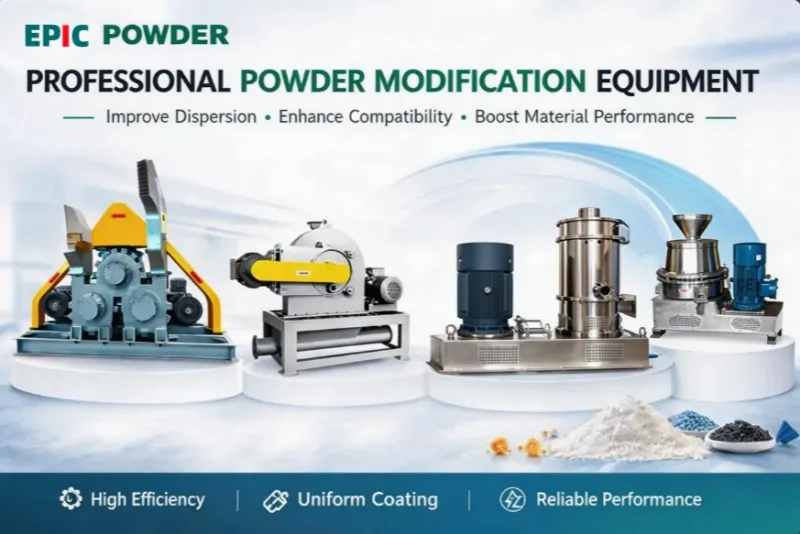
গুঁড়া পদার্থের প্রকারভেদ: একটি বিশদ বিশ্লেষণ
গুঁড়ো পদার্থকে তাদের গঠন ও কণার আকার অনুসারে শ্রেণিবদ্ধ করা হয়। শিল্প মান এবং বাজার তথ্যের উপর ভিত্তি করে এখানে একটি বিশদ বিশ্লেষণ দেওয়া হলো।.
ধাতব গুঁড়া
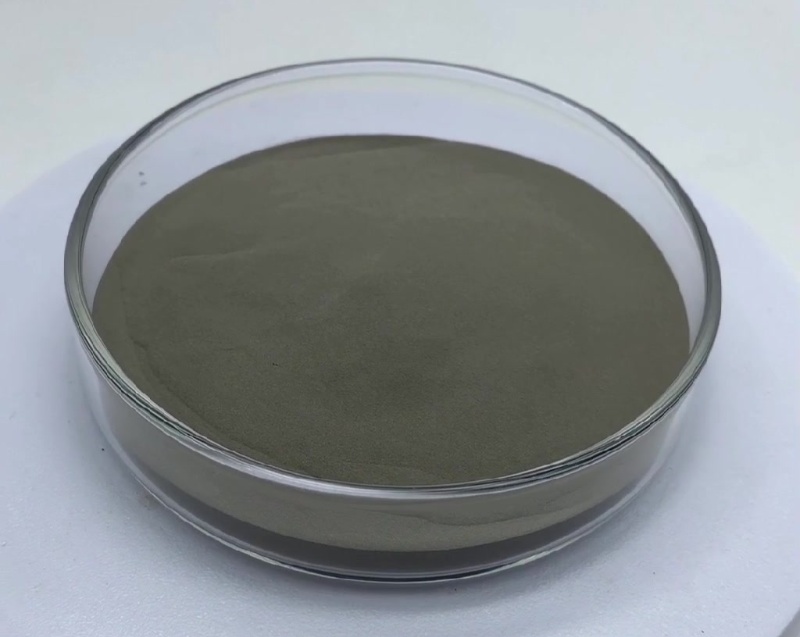
বাজার অংশ: পাউডার উপকরণ বাজারের ~৪০১TP3T
ধাতব গুঁড়া হলো সবচেয়ে সাধারণ প্রকার, যার উপশ্রেণীগুলোর মধ্যে রয়েছে:
- লোহার গুঁড়ো চৌম্বকীয় উপকরণ এবং স্বয়ংচালিত যন্ত্রাংশে ব্যবহৃত হয়
- অ্যালুমিনিয়াম পাউডার মহাকাশ এবং স্বয়ংচালিত শিল্পের জন্য হালকা ওজনের সংকর ধাতু
- টাইটানিয়াম পাউডার – উচ্চ-শক্তি, ক্ষয়-প্রতিরোধী অ্যাপ্লিকেশন
- তামার গুঁড়ো – বৈদ্যুতিক এবং তাপীয় পরিবাহিতা প্রয়োগ
মূল বৈশিষ্ট্য: উচ্চ তাপীয় ও বৈদ্যুতিক পরিবাহিতা, কণার আকার সাধারণত ১–১০০ মাইক্রোমিটার। উৎপাদন পদ্ধতির মধ্যে অ্যাটোমাইজেশন এবং ইলেকট্রোলাইসিস অন্তর্ভুক্ত।.
বাজারের পূর্বাভাস: ২০২৪ সালে বৈশ্বিক মেটাল পাউডার বাজারের মূল্য ছিল প্রায় ৬.৯২ বিলিয়ন টন এবং এটি ৫.৮১ ট্রিলিয়ন ডলারের বার্ষিক চক্রবৃদ্ধি হারে (CAGR) বৃদ্ধি পেয়ে ২০৩০ সালের মধ্যে ১০.১৮ বিলিয়ন টনে পৌঁছাবে বলে অনুমান করা হচ্ছে। মার্কিন যুক্তরাষ্ট্রের বাজারের মূল্য ১.৭ বিলিয়ন টন বলে অনুমান করা হয়েছে, যেখানে চীনে ৯.১১ ট্রিলিয়ন ডলারের শক্তিশালী বার্ষিক চক্রবৃদ্ধি হারে (CAGR) বৃদ্ধির পূর্বাভাস দেওয়া হয়েছে।.
সিরামিক পাউডার
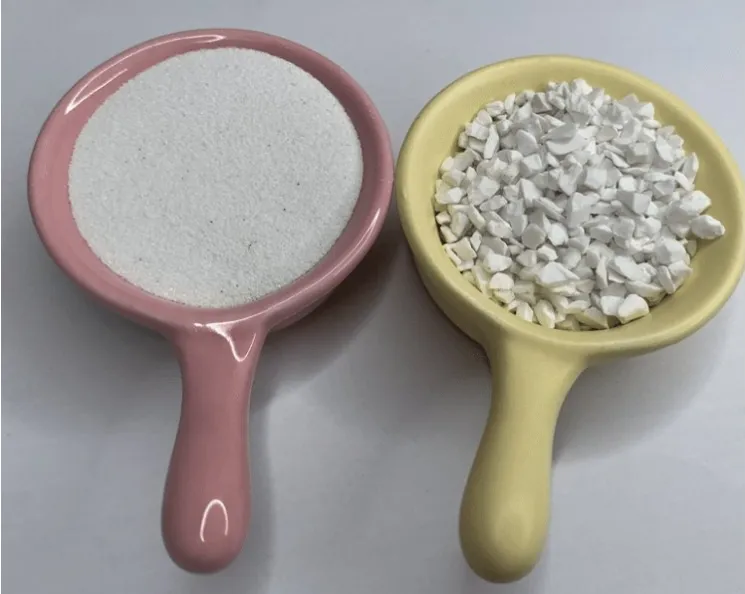
বাজার অংশ: পাউডার উপকরণ বাজারের ~২৫১TP3T
সিরামিক পাউডার উচ্চ-তাপমাত্রা এবং ক্ষয়-প্রতিরোধী প্রয়োগের ক্ষেত্রে উৎকৃষ্ট। এর উপশ্রেণীগুলো হলো:
- জিরকোনিয়া (ZrO₂) – উচ্চ দৃঢ়তা, তাপীয় প্রতিবন্ধক আবরণ
- অ্যালুমিনা (Al₂O₃) – বৈদ্যুতিক নিরোধক, ক্ষয়-প্রতিরোধী উপাদান
- সিলিকন কার্বাইড (SiC) – চরম তাপ প্রতিরোধ ক্ষমতা, সেমিকন্ডাক্টর অ্যাপ্লিকেশন
মূল বৈশিষ্ট্য: গলনাঙ্ক ২০০০°C-এর বেশি, কাঠিন্য ১৫০০ HV-এর উপরে। এর প্রয়োগক্ষেত্রগুলোর মধ্যে রয়েছে প্রলেপ এবং যৌগিক পদার্থ।.
ন্যানোসিরামিক পাউডার বিভাগটি বিশেষভাবে দ্রুত বৃদ্ধি পাচ্ছে, যা ২০২৪ সালে আনুমানিক ৩.০ বিলিয়ন টন এবং ২০৩০ সালের মধ্যে ১৪.২১ ট্রিলিয়ন টন বার্ষিক চক্রবৃদ্ধি হারে (CAGR) ৪.৬ বিলিয়ন টনে পৌঁছাবে বলে আশা করা হচ্ছে।.
পলিমার পাউডার
বাজার অংশ: পাউডার উপকরণ বাজারের ~১৫১TP3T
জৈব গুঁড়ো উপকরণগুলির মধ্যে রয়েছে:
- পলিথিন (পিই) – কম ঘনত্ব, নমনীয় অ্যাপ্লিকেশন
- পলিইমাইড (পিআই) – তাপ-প্রতিরোধী, উচ্চ কর্মক্ষমতা সম্পন্ন প্রকৌশল
মূল বৈশিষ্ট্য: নমনীয়তা, কম ঘর্ষণ, কণার আকার সাধারণত ১০–৫০০ মাইক্রোমিটার।.
ন্যানোপাউডার
বাজার অংশ: পাউডার উপকরণ বাজারের ~10%
ন্যানোপাউডার (কণার আকার <১০০ ন্যানোমিটার) হলো পাউডার প্রযুক্তির সর্বাধুনিক উদ্ভাবন। এর উপশ্রেণিগুলো হলো:
- ন্যানো-সিলভার – জীবাণুনাশক প্রয়োগ
- ন্যানো-গ্রাফিন – তড়িৎচুম্বকীয় ঢাল, শক্তি বৃদ্ধি
মূল বৈশিষ্ট্য: শক্তিশালী পৃষ্ঠতলীয় প্রভাব, যা উপাদানের শক্তি 20% বা তারও বেশি বৃদ্ধি করতে পারে।.
অন্যান্য বিভাগ
- যৌগিক পাউডার – নির্দিষ্ট বৈশিষ্ট্যের জন্য ধাতু-সিরামিকের সংমিশ্রণ
- জৈব-গুঁড়া – যেমন চিকিৎসাগত ইমপ্লান্টের জন্য হাইড্রোক্সিয়াপ্যাটাইট
বিভিন্ন শিল্পে প্রয়োগ
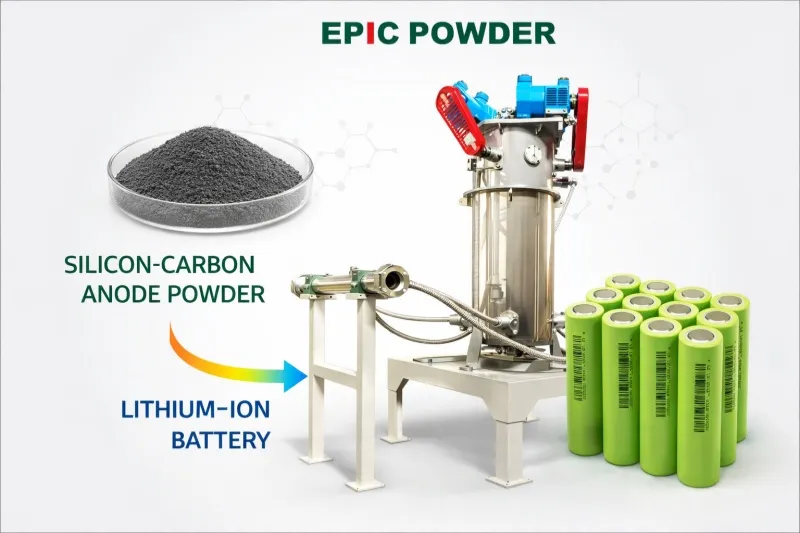
3D প্রিন্টিং এবং অ্যাডিটিভ ম্যানুফ্যাকচারিং
ধাতু এবং সিরামিক পাউডার হলো অ্যাডিটিভ ম্যানুফ্যাকচারিং-এর প্রাণশক্তি। ২০২৪ সালে বৈশ্বিক ৩ডি প্রিন্টিং পাউডার বাজারের মূল্য ছিল আনুমানিক ১.৮৭ বিলিয়ন ডলার এবং এটি ১২.৩১ শতাংশ বার্ষিক চক্রবৃদ্ধি হারে (CAGR) ২০৩৩ সালের মধ্যে ৫.৩৩ বিলিয়ন ডলারে পৌঁছাবে বলে অনুমান করা হচ্ছে। এই পাউডারগুলো ৫০ মাইক্রোমিটারেরও কম নির্ভুলতায় জটিল মহাকাশ উপাদান উৎপাদন করতে সক্ষম করে।.
এয়ারফ্রেম নির্মাতা, অর্থোপেডিক-ইমপ্ল্যান্ট প্রস্তুতকারক এবং টুল-অ্যান্ড-ডাই শপগুলোর চাহিদার কারণে, শুধুমাত্র অ্যাডিটিভ ম্যানুফ্যাকচারিংই ২০২৫ সালে অ্যাটোমাইজিং মেটাল পাউডার বাজারের ৪০.৪৪১ টন ৩-পাউন্ড শেয়ার দখল করবে।.
ক্ষয় সুরক্ষা এবং আবরণ
ন্যানোপাউডার প্রতিরক্ষামূলক আবরণের কার্যকারিতা বৃদ্ধি করে, যার ফলে ৫,০০০ ঘণ্টারও বেশি সময় ধরে লবণাক্ত জলের ছিটা প্রতিরোধ ক্ষমতা অর্জন করা যায়। ন্যানো পার্টিকেল দ্বারা শক্তিশালীকৃত ইপোক্সি আবরণ এখন সামুদ্রিক এবং উচ্চ-লবণাক্ত পরিবেশে ইস্পাতের কাঠামোকে সুরক্ষা প্রদান করে। প্রতিকূল সামুদ্রিক পরিবেশে পাউডার আবরণের কার্যকাল ৫-৭ বছর থেকে বাড়িয়ে সম্ভাব্য ১৫-২০ বছর পর্যন্ত করা হয়েছে।.
শক্তি সঞ্চয়
ব্যাটারি পাউডার শক্তি ধারণক্ষমতা ২০১ টন পর্যন্ত উন্নত করতে পারে। অ্যাডিটিভ ম্যানুফ্যাকচারিং-এর জন্য অ্যাটোমাইজড মেটাল পাউডারের বাজার ২০২৫ সালে ৫,০১৬ মিলিয়ন টন মূল্যের ছিল এবং ২০৩২ সালের মধ্যে এটি ৭,৩৪৬ মিলিয়ন টনে পৌঁছাবে বলে আশা করা হচ্ছে।.
চিকিৎসা প্রয়োগ
হাইড্রোক্সিয়াপ্যাটাইটের মতো জৈব-গুঁড়া হাড় মেরামতের কাজে ব্যবহৃত হয়, যার জৈব-সামঞ্জস্যতা 95%-এর চেয়েও বেশি। চিকিৎসা খাতে নিখুঁতভাবে তৈরি উপাদানের চাহিদা উচ্চ-মানের গুঁড়ার চাহিদাকে ক্রমাগত বাড়িয়ে চলেছে।.
ইলেকট্রনিক্স
পরিবাহী পাউডার 10⁻⁶ Ω·m-এর নিচে রোধাঙ্ক অর্জন করে, যা উন্নত সার্কিট উৎপাদন সম্ভব করে তোলে।.
চরম পরিবেশে পাউডার উপকরণ
চরম পরিবেশ—যার বৈশিষ্ট্য হলো ৫০০°C-এর বেশি তাপমাত্রা, ১০০ MPa-এর বেশি চাপ, ১০⁶ Gy-এর বেশি বিকিরণ মাত্রা এবং ক্ষয়কারী মাধ্যম—পাউডার উপকরণ থেকে সর্বোচ্চ কার্যক্ষমতার দাবি করে।.
সামুদ্রিক এবং অফশোর অ্যাপ্লিকেশন
চ্যালেঞ্জ: সামুদ্রিক জলের ক্ষয়ের কারণে বিশ্বব্যাপী প্রতি বছর ১০০ বিলিয়ন টনেরও বেশি ক্ষতি হয়।.
সমাধান: পাউডার কোটিং—বিশেষ করে জিঙ্ক-অ্যালুমিনিয়াম ফর্মুলেশন—হাল সুরক্ষার জন্য অসাধারণ সল্ট স্প্রে প্রতিরোধ ক্ষমতা প্রদান করে। ইনকোনেল ৬২৫ (Ni625)-এর মতো নিকেল-ভিত্তিক সুপারঅ্যালয় পাউডারগুলো বিশেষভাবে সামুদ্রিক পরিবেশের জন্য তৈরি করা হয়েছে, যা উচ্চ-তাপমাত্রা স্থিতিশীলতা, চমৎকার ক্লান্তি প্রতিরোধ ক্ষমতা এবং লবণাক্ত ও ক্ষারীয় জলে উন্নত ক্ষয় প্রতিরোধ ক্ষমতা প্রদান করে।.
প্রভাব: এই উপাদানগুলো জাহাজের কার্যকাল ২০ বছর পর্যন্ত বাড়িয়ে দেয় এবং মেরু অঞ্চলে নৌচলাচলের সক্ষমতা বৃদ্ধি করে। সমুদ্রের জলের সংস্পর্শে থাকা অংশগুলোর জন্য Ni625 একটি আদর্শ উপাদান, যেখানে উপাদানের ক্ষয় রোধ করার জন্য উচ্চ ক্ষয়-প্রতিরোধ ক্ষমতা অত্যন্ত গুরুত্বপূর্ণ।.
উন্নত ন্যানোকম্পোজিট আবরণ এখন সামুদ্রিক পরিবেশে নৌ-ইস্পাতকে দ্বৈত ক্ষয়রোধী ও ময়লারোধী সুরক্ষা প্রদান করে। আইআইটি গুয়াহাটির গবেষকদের দ্বারা উদ্ভাবিত ইপোক্সি ন্যানোকম্পোজিট আবরণ সমুদ্রের জল এবং উচ্চ লবণাক্ত পরিবেশে উন্মুক্ত ইস্পাতের কাঠামোকে সুরক্ষা প্রদান করে।.
অফশোর তেল এবং গ্যাস
চ্যালেঞ্জ: গভীর সমুদ্রে খনন কার্যক্রমে মারাত্মক ছিদ্র প্রতিরোধ।.
সমাধান: ড্রিলিং মাডে থাকা সিরামিক পাউডার উচ্চ চাপ সহ্য করে, অন্যদিকে ন্যানোপাউডার কোটিং পাইপলাইনকে ক্ষয় থেকে রক্ষা করে। তেল, গ্যাস এবং সামুদ্রিক খাতে অত্যন্ত গুরুত্বপূর্ণ যন্ত্রাংশ উৎপাদনে মেটাল পাউডার ব্যবহৃত হয়, যেখানে যান্ত্রিক কার্যকারিতা এবং রাসায়নিক অখণ্ডতা অপরিহার্য।.
প্রভাব: এই প্রযুক্তিগুলো পরিচালনগত দক্ষতা ৩০১টিপি৩টি দ্বারা উন্নত করে এবং জ্বালানি নিরাপত্তা বৃদ্ধি করে।.
পারমাণবিক শক্তি প্রয়োগ
চ্যালেঞ্জ: ব্যবহৃত জ্বালানি সংরক্ষণাগার এবং চুল্লি পরিবেশে বিকিরণ প্রতিরোধ এবং সংকটময়তা নিয়ন্ত্রণ।.
সমাধান: চমৎকার ক্ষয় প্রতিরোধ ক্ষমতা এবং নিউট্রন শোষণ ক্ষমতা সম্পন্ন অনিয়তাকার ধাতু এবং সিরামিক থার্মাল স্প্রে কোটিং তৈরি করা হয়েছে। ক্রোমিয়াম, মলিবডেনাম এবং টাংস্টেন সহ লোহা-ভিত্তিক অনিয়তাকার ধাতব ফর্মুলেশন পারমাণবিক প্রয়োগের জন্য প্রয়োজনীয় ক্ষয় প্রতিরোধ ক্ষমতা প্রদান করে।.
জ্বালানি ক্ল্যাডিং-এর জন্য জিরকোনিয়াম-ভিত্তিক পাউডার কোটিং এবং কুল্যান্টের জন্য অক্সাইড পাউডার অত্যন্ত গুরুত্বপূর্ণ পারমাণবিক প্রয়োগ। এই পদার্থগুলিতে বোরনের উপস্থিতি এবং উচ্চ নিউট্রন ডোজে এদের স্থিতিশীলতা, ক্রিটিক্যালিটি নিয়ন্ত্রণের জন্য এদেরকে উচ্চ-দক্ষতাসম্পন্ন নিউট্রন শোষক হিসেবে কাজ করতে সক্ষম করে।.
প্রভাব: এই প্রযুক্তিগুলো তেজস্ক্রিয়তা নিঃসরণের ঝুঁকি কমায় এবং পারমাণবিক বর্জ্যের পরিমাণ ৫০১টিপি৩টি পর্যন্ত হ্রাস করতে পারে, যা আইএইএ (IAEA) মানদণ্ড পূরণ করে। ব্যবহৃত জ্বালানি পরিবহন ও সংরক্ষণের পাত্রের জন্য অ্যালুমিনিয়াম-ভিত্তিক প্রতিরক্ষামূলক আবরণের কোল্ড স্প্রে অ্যাডিটিভ ম্যানুফ্যাকচারিং পদ্ধতি এখন তৈরি করা হচ্ছে।.
শিল্প শৃঙ্খল এবং বাজারের চিত্র
উৎস: কাঁচামাল উত্তোলন
উৎপাদন-পরবর্তী পর্যায়ে কাঁচামাল (যেমন, সিলিকা, লৌহ আকরিক) উত্তোলন করা হয়, যার বৈশ্বিক সরবরাহ অস্ট্রেলিয়া ও চীনের ওপর নির্ভরশীল। মোট উৎপাদন ব্যয়ের প্রায় ৩০১ টন কাঁচামাল বাবদ খরচ হয়।.
মধ্যবর্তী পর্যায়: গুঁড়া উৎপাদন
মধ্যবর্তী পর্যায়ের কার্যক্রমের মধ্যে অ্যাটোমাইজেশন, বল মিলিং এবং অন্যান্য প্রযুক্তিগত প্রক্রিয়ার মাধ্যমে পাউডার প্রস্তুত করা অন্তর্ভুক্ত। উৎপাদন ক্ষমতায় চীন বিশ্বব্যাপী শীর্ষে থাকলেও, উচ্চমানের ন্যানো-পাউডারের জন্য দেশটি আমদানির ওপর নির্ভরশীল।.
ডাউনস্ট্রিম: আবেদন এবং প্রক্রিয়াকরণ
পরবর্তী পর্যায়ের কার্যক্রমের মধ্যে রয়েছে অ্যাপ্লিকেশন প্রক্রিয়াকরণ, যার অন্তর্ভুক্ত হলো থ্রিডি প্রিন্টিং, কোটিং প্রয়োগ এবং যন্ত্রাংশ উৎপাদন, যা বাজারের চাহিদা দ্বারা চালিত হয়।.
বৈশ্বিক বাজারের পূর্বাভাস
| সেগমেন্ট | ২০২৪ সালের মূল্য | ২০৩০ সালের পূর্বাভাস | সিএজিআর |
|---|---|---|---|
| ধাতব গুঁড়া | $6.92B | $10.18B | 5.8% |
| পাউডার ধাতুবিদ্যা | $21.73B (2025) | $27.32B | 4.68% |
| উন্নত পাউডার উপকরণ | $22.5B (2026) | $51.8B (2034) | 11% |
| ন্যানোসিরামিক পাউডার | $3.0B | $6.6B | 14.2% |
মূল চালকসমূহ:
- থ্রিডি প্রিন্টিং এবং অ্যাডিটিভ ম্যানুফ্যাকচারিং-এর চাহিদা ১৫১টিপি৩টি+ হারে বাড়ছে।
- বৈদ্যুতিক যানবাহন এবং ব্যাটারি অ্যাপ্লিকেশন
- মহাকাশ ও প্রতিরক্ষা খাতে গ্রহণ
- চিকিৎসা সরঞ্জাম উৎপাদন
মূল চ্যালেঞ্জসমূহ:
- কাঁচামালের ক্রমবর্ধমান খরচ
- উন্নয়নশীল বাজারগুলিতে উচ্চমানের পাউডার আমদানির উপর নির্ভরতা
- ন্যানো-পাউডার উৎপাদনে প্রযুক্তিগত বাধা
গুঁড়ো উপকরণের ভবিষ্যৎ
পাউডার উপাদানের বৈচিত্র্য ও কার্যকারিতা চরম পরিবেশ সুরক্ষার ধারণাকে নতুন রূপ দিচ্ছে। স্ফেরয়েডাইজেশন, উচ্চ পরিশোধন এবং ফাংশনালাইজেশনের মতো মাইক্রো/ন্যানো-স্তরের প্রযুক্তির ক্রমাগত অগ্রগতির সাথে সাথে, সিলিকন-ভিত্তিক, কার্বন-ভিত্তিক, ধাতু এবং কম্পোজিট পাউডারগুলো সল্ট স্প্রে প্রতিরোধ, অভিঘাত প্রতিরোধ, তড়িৎচুম্বকীয় শিল্ডিং এবং তাপ ব্যবস্থাপনার ক্ষেত্রে পরিমাপযোগ্য সুবিধা প্রদান করছে।.
এই অগ্রগতিগুলো মেরু অঞ্চলের জাহাজ, গভীর সমুদ্রের তেল ও গ্যাস স্থাপনা এবং ফিউশন রিঅ্যাক্টরের প্রথম দেয়ালের সুরক্ষা নকশার ক্ষেত্রে পাউডার উপাদানকে একটি মৌলিক উপাদানে পরিণত করেছে।.
২০২৫-২০৩০ সালের যন্ত্রপাতির আয়ুষ্কাল বৃদ্ধির প্রয়োজনীয়তার দিকে লক্ষ্য রেখে, পাউডারের প্রকারভেদ, গঠন, কণার আকার এবং পৃষ্ঠতলের অবস্থার নিয়মতান্ত্রিক নির্বাচন সুরক্ষা ব্যবস্থার কার্যকাল, কার্বন পদচিহ্নের মাত্রা এবং মোট জীবনচক্র ব্যয় সরাসরি নির্ধারণ করবে।.
এই বিবর্তন চরম পরিবেশের উপকরণ শিল্পকে একটি পরিমাপযোগ্য, যাচাইযোগ্য এবং পুনরাবৃত্তিযোগ্য ভিত্তি প্রদান করে। এটি উৎপাদন, শক্তি এবং গুরুত্বপূর্ণ অবকাঠামো সুরক্ষা ক্ষেত্রে উদ্ভাবনকে চালনা করতে থাকবে।.
এপিক পাউডার
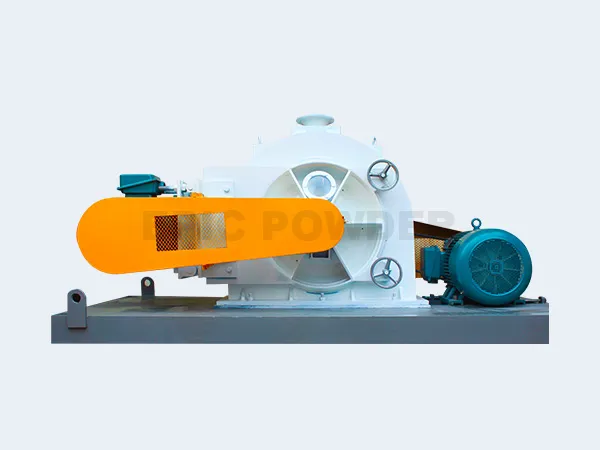
এ এপিক পাউডার, আমরা বিভিন্ন মডেলের সরঞ্জাম সরবরাহ করি এবং আপনার নির্দিষ্ট চাহিদা মেটাতে উপযোগী সমাধান প্রদান করি। বিভিন্ন ধরনের পাউডার প্রক্রিয়াকরণে আমাদের দলের ২০ বছরেরও বেশি অভিজ্ঞতা রয়েছে। এপিক পাউডার খনিজ শিল্প, রাসায়নিক শিল্প, খাদ্য শিল্প, ঔষধ শিল্প ইত্যাদির জন্য সূক্ষ্ম পাউডার প্রক্রিয়াকরণ প্রযুক্তিতে বিশেষায়িত। বিনামূল্যে পরামর্শ এবং আপনার প্রয়োজন অনুযায়ী সমাধানের জন্য আজই আমাদের সাথে যোগাযোগ করুন!
লেখক পরিচিতি: এই নির্দেশিকাটি আপনাদের জন্য নিয়ে এসেছে এপিক পাউডার মেশিনারি, উন্নত পাউডার উপাদান সমাধানে আপনার সহযোগী। আমাদের পাউডার প্রক্রিয়াকরণ সরঞ্জাম এবং উপাদান সমাধান সম্পর্কে আরও তথ্যের জন্য, আমাদের বিশেষজ্ঞ দলের সাথে যোগাযোগ করুন।.

“পড়ার জন্য ধন্যবাদ। আশা করি আমার লেখাটি আপনার উপকারে আসবে। অনুগ্রহ করে নিচে একটি মন্তব্য করুন। এছাড়া আপনি EPIC Powder-এর অনলাইন গ্রাহক প্রতিনিধির সাথেও যোগাযোগ করতে পারেন। জেল্ডা আরও কোনো জিজ্ঞাসার জন্য।”
- জেসন ওয়াং, প্রকৌশলী
ত্রুটি: যোগাযোগ ফর্মটি খুঁজে পাওয়া যায়নি।.