
الأتابولجيت يتميز الأتابولجيت ببنية بلورية فريدة أحادية البعد على شكل قضبان. تتكون بلوراته من صفائح رباعية الأوجه من السيليكون والأكسجين، وصفائح ثمانية الأوجه من المغنيسيوم (الألومنيوم) والأكسجين. تحتوي هذه البلورات على قنوات مسامية منتظمة. تمنح هذه البنية المجهرية الخاصة الأتابولجيت العديد من الخصائص الممتازة. تتشابك البلورات لتشكل تكتلاً ليفياً. وعلى المستوى العياني، يُظهر الأتابولجيت مرونةً وليونةً عاليتين.
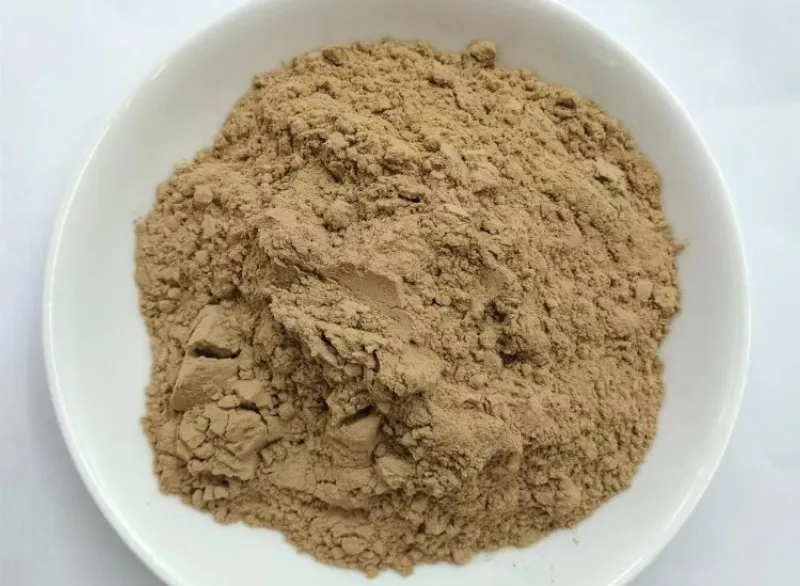
لماذا يُطلق على الأتابولجيت لقب ملك الطين؟
اكتسب معدن الأتابولجيت هذا اللقب عن جدارة. فمزيج خصائصه الفيزيائية والكيميائية غير مألوف بين المعادن الطبيعية.
مساحة سطحية نوعية عالية. تتراوح مساحة سطح الأتابولجيت، وفقًا لطريقة BET، عادةً بين 146 و210 م²/غ، وهي أعلى من معظم المعادن الطينية الأخرى. توفر هذه المساحة السطحية الكبيرة مواقع نشطة وفيرة للامتزاز.
قدرة امتصاص عالية. يستطيع الأتابولجيت امتصاص كل من الجزيئات القطبية (الماء، الأمونيا، الميثانول، الإيثانول) والجزيئات العضوية غير القطبية، وأيونات المعادن الثقيلة، والغازات. وتتبع قدرته على الامتصاص تسلسلًا انتقائيًا واضحًا: الماء > الكحولات > الألدهيدات > الكيتونات > الأوليفينات العادية > الدهون المحايدة > المركبات العطرية > الألكانات الحلقية > الألكانات. عمليًا، هذا يعني أن الأتابولجيت فعال بشكل خاص في التقاط أنواع الملوثات الأكثر أهمية في التطبيقات الصناعية والبيئية.
الخصائص الغروية: عند تشتيته في الماء، يشكل الأتابولجيت معلقات غروية مستقرة ذات خاصية انسيابية جيدة وثبات عالٍ. وهذا ما يجعله ذا قيمة في الطلاءات وسوائل الحفر، حيث يحسن الأداء الريولوجي.
قدرة التبادل الأيوني: يمكن تبادل الكاتيونات الموجودة داخل البنية البلورية للأتابولجيت مع الكاتيونات الموجودة في المحلول. يبلغ محتوى أيونات الكالسيوم القابلة للتبادل عادةً 15-25 ملي مول/100 غرام، بينما يبلغ محتوى أيونات المغنيسيوم القابلة للتبادل 5-15 ملي مول/100 غرام. تُعد هذه الخاصية مفيدة في تحسين التربة ومعالجة مياه الصرف الصحي.
الاستقرار الكيميائي والحراري: يتميز الأتابولجيت باستقرار جيد في معظم البيئات الحمضية والقاعدية، ويتحمل درجات حرارة مرتفعة. تزداد قدرته على الامتزاز بعد التكليس عند درجات حرارة تتراوح بين 200 و400 درجة مئوية (نتيجة لزيادة مساحة السطح)، لكنها تنخفض فوق 400 درجة مئوية مع بدء انهيار بنيته.
الأتابولجيت مقابل البنتونيت: ما الفرق؟
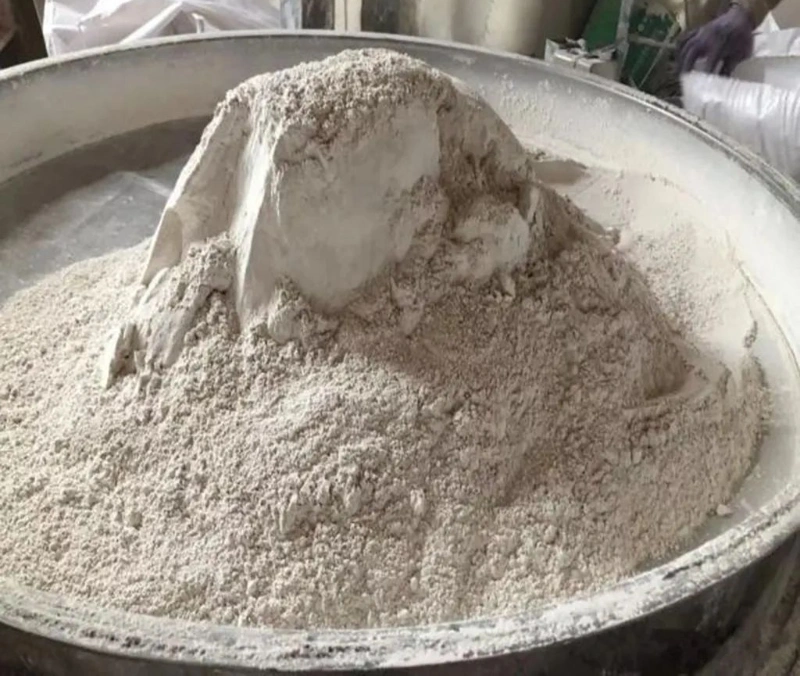
هذا أحد أكثر الأسئلة شيوعاً التي نسمعها من العملاء. كلاهما من المعادن الطينية، لكنهما يخدمان أغراضاً مختلفة.
| ملكية | الأتابولجيت | بنتونيت |
| مورفولوجيا البلورات | ليفي، يشبه القضيب | يشبه الطبق، متعدد الطبقات |
| مساحة محددة | 146–210 م²/غ (BET) | أقل عموماً |
| التطبيق الرئيسي | الامتزاز، والتعليق، والتحكم في الخواص الريولوجية | الختم، والربط، والتورم |
| قدرة الانتفاخ | منخفض (4-6 مل/غ) | عالي |
| الخصائص الغروانية | يشكل معلقات مستقرة ذات خاصية الانسيابية | يشكل مواد هلامية ذات لزوجة عالية |
| تبادل الأيونات | مستوى معتدل من التعليم المستمر | التعليم المستمر العالي |
الفرق العملي الرئيسي: يتمدد البنتونيت عند البلل، مما يجعله مثاليًا لتطبيقات منع التسرب والربط. أما جزيئات الأتابولجيت الليفية فتتشابك لتشكل شبكة مستقرة تُعلق المواد الصلبة وتتحكم في خواص التدفق. وهذا ما يجعل الأتابولجيت الخيار الأمثل للتطبيقات التي يكون فيها التمدد غير مرغوب فيه، مثل سوائل حفر الآبار في المياه المالحة، والطلاءات، وبعض التركيبات الزراعية.
أهم الصناعات التي تستخدم الأتابولجيت
حماية البيئة
معالجة المياه
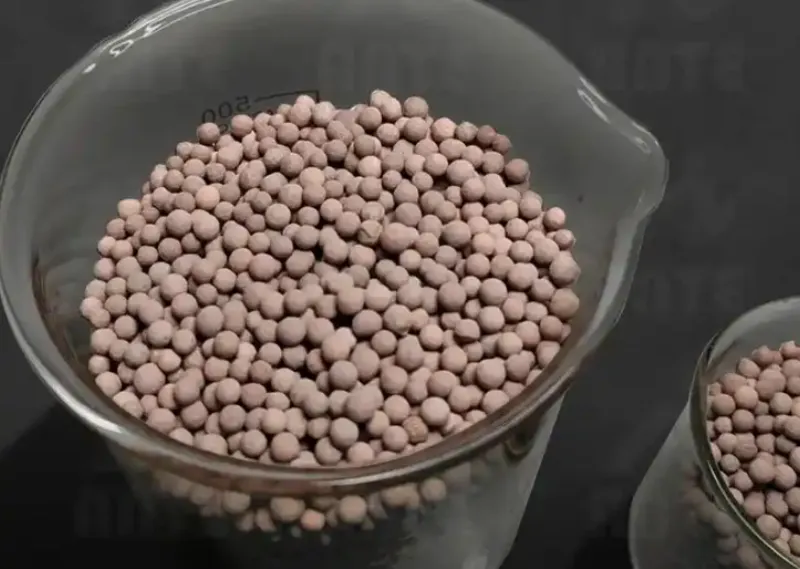
تُعدّ قدرة الأتابولجيت العالية على الامتزاز فعّالة في إزالة المعادن الثقيلة والملوثات العضوية والروائح من الماء. وقد أظهرت الأبحاث أن الأتابولجيت قادر على تحقيق قدرات امتزاز متوازنة تبلغ 99 ملغم/غرام لأيونات النحاس (Cu(II))، و56 ملغم/غرام لأيونات الكادميوم (Cd(II))، و117 ملغم/غرام لأيونات النيكل (Ni(II))، و198 ملغم/غرام لأيونات الكروم (Cr(VI)). كما أظهرت الدراسات أن الأتابولجيت المُعدّل يحقق معدلات إزالة ألوان للأصباغ تتراوح بين 87.5 و99.8% في معالجة مياه الصرف الصحي.
تنقية الهواء
تستطيع المواد القائمة على الأتابولجيت امتصاص الغازات الضارة بما في ذلك الفورمالديهايد والبنزين وثاني أكسيد الكبريت. وقد أفادت الدراسات التي أجريت على إزالة الفورمالديهايد باستخدام المحفزات القائمة على الأتابولجيت بمعدلات إزالة تصل إلى 98.35%.
استصلاح التربة
يساعد الأتابولجيت على تنظيم درجة حموضة التربة، وتحسين بنيتها، وتثبيت المعادن الثقيلة. وقد أظهرت الأبحاث التي أُجريت على حقول الأرز الملوثة بالكادميوم أن إضافة الأتابولجيت 2.5% قللت بشكل فعال من الكادميوم المتاح في التربة ومحتوى الكادميوم في حبوب الأرز.
الصناعة الكيميائية
حامل المحفز
تُعدّ مساحة السطح العالية للأتابولجيت وثباته الحراري من العوامل التي تجعله دعامة مناسبة للمحفزات. كما توفر مراكزه النشطة على السطح خصائص تحفيزية تتجاوز مجرد الامتزاز.
مادة ماصة للتكرير والتنقية
يُستخدم طين الأتابولجيت على نطاق واسع كعامل لإزالة اللون في تكرير الزيوت الصالحة للأكل. وتضاهي قدرة الأتابولجيت عالي الجودة (بنسبة نقاء تتراوح بين 75 و85%) على إزالة اللون، أو تتجاوز، قدرة البنتونيت المنشط.
مادة مضافة للمطاط والبلاستيك
يمكن للأتابولجيت المُعدَّل أن يُحسِّن الخواص الميكانيكية للمطاط بشكلٍ ملحوظ. وقد وجدت إحدى الدراسات أن إضافة الأتابولجيت المُعدَّل 10% إلى المطاط الطبيعي زادت من قوة الشد بمقدار 175.4%، وقوة التمزق بمقدار 95.9%، وصلابة شور A بمقدار 104.2% مقارنةً بالمطاط غير المُعدَّل.
زراعة
إضافات علفية
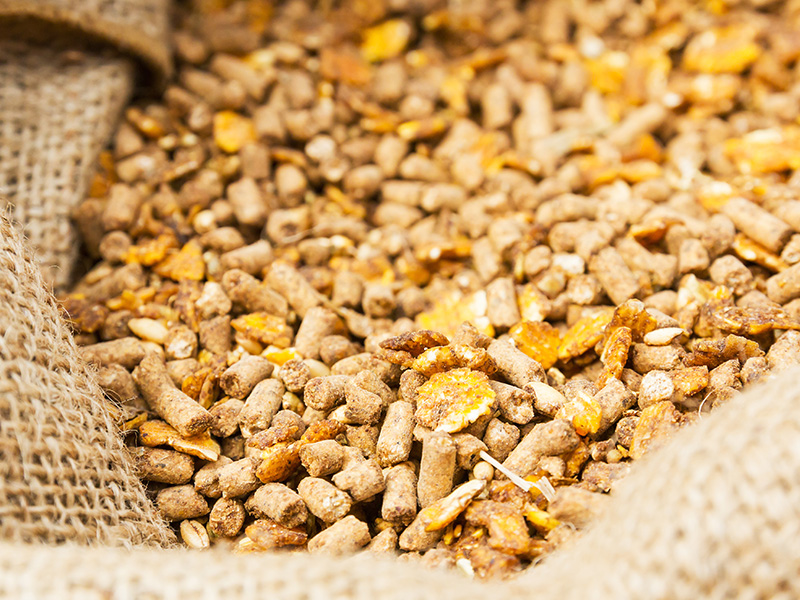
يُعدّ الأتابولجيت غنيًا بالعناصر النزرة، وله قدرة على امتصاص السموم الفطرية في علف الحيوانات. وقد أظهرت الأبحاث التي أُجريت على علف الخنازير النامية والمتنامية أن إضافة 0.5% من الأتابولجيت حسّنت صلابة الحبيبات بمقدار 44.07%، وقللت من نسبة الجزيئات الدقيقة بمقدار 29.10%، وحققت امتصاصًا للأفلاتوكسين بمقدار 96.38%. كما أنه يُساعد على تنظيم الميكروبات المعوية وتعزيز المناعة.
محسن للأسمدة
يستطيع معدن الأتابولجيت امتصاص العناصر الغذائية من الأسمدة، مما يقلل من فقدانها ويتيح إطلاقها ببطء. وهذا يحسن من استخدام الأسمدة ويقلل من التلوث الزراعي غير المحدد المصدر.
محسن التربة
يعمل الأتابولجيت على تحسين بنية تجمعات التربة، ويزيد من احتفاظها بالماء والمغذيات، ويعزز نمو الجذور.
تطبيقات أخرى
مواد البناء
يمكن دمج الأتابولجيت في مواد العزل، والمواد المقاومة للحريق، والطلاءات المعمارية. وقد أظهرت الأبحاث أن كتل الأتابولجيت الملبدة عند درجة حرارة 700 درجة مئوية يمكن أن تحقق موصلية حرارية منخفضة تصل إلى 0.16 واط/(متر·كلفن).
المواد الكيميائية اليومية
يُستخدم الأتابولجيت في مستحضرات التجميل (أحمر الشفاه، كريم الأساس، المستحضرات) والمنظفات لتحسين الملمس والثبات والفعالية. وقد أشارت الدراسات إلى أن تركيز 20 غ/ل من الأتابولجيت يُظهر نشاطًا مضادًا للجذور الحرة بمقدار 37.3%.
صناعة الورق
يمكن لألياف الأتابولجيت، كمادة مالئة، أن ترتبط بالألياف النباتية من خلال الروابط الهيدروجينية، مما يحقق معدلات احتفاظ أعلى من 80%
كيفية معالجة الأتابولجيت
تعتمد قيمة الأتابولجيت في نهاية المطاف على جودة معالجته. يحتوي خام الأتابولجيت عادةً على شوائب مثل الكوارتز والمونتوموريلونيت والكاولينيت والكربونات التي يجب إزالتها.
تتضمن عملية سير العمل العامة ما يلي:
1. سحق – تكسير الخام إلى حجم يمكن التعامل معه
2. طحن – تقليل حجم الجزيئات إلى النعومة المطلوبة (عادةً من 80 إلى 2500 شبكة حسب التطبيق)
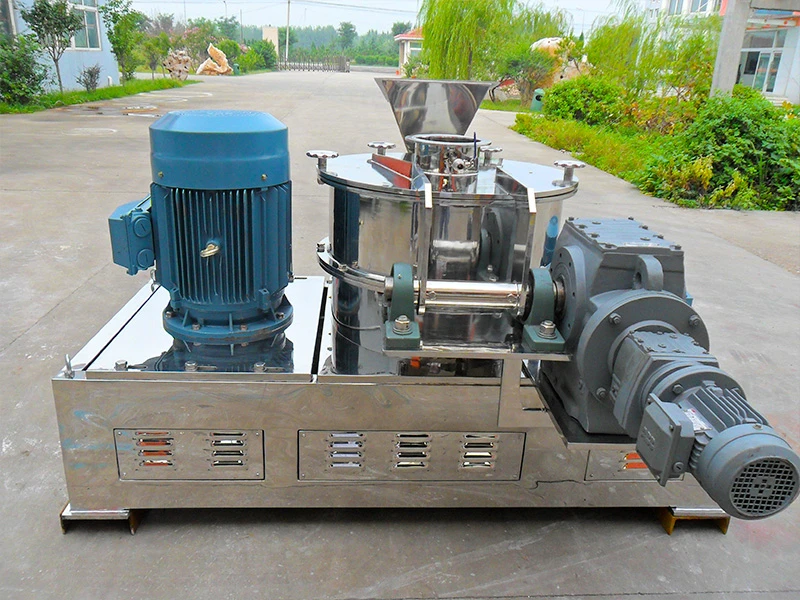
3. تصنيف – فصل الجسيمات حسب الحجم باستخدام مصنفات الهواء
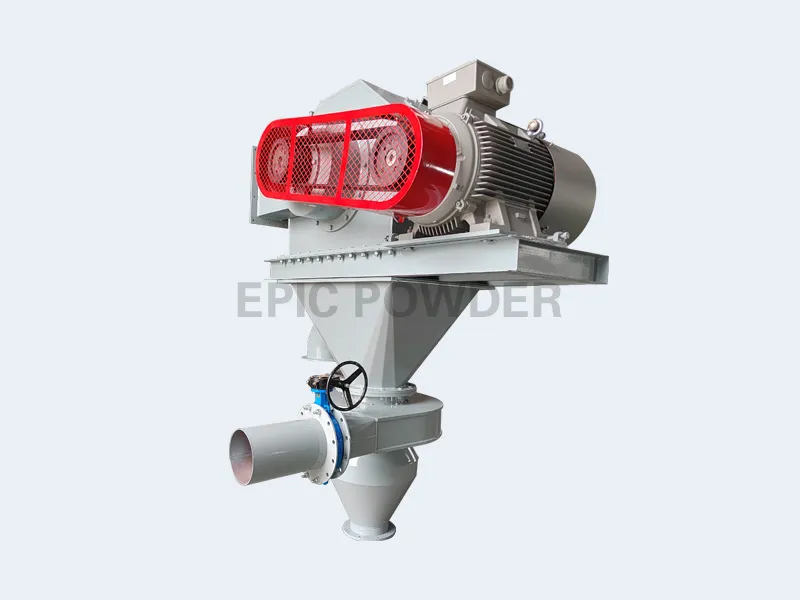
4. طهارة – إزالة الشوائب من خلال الطرق الفيزيائية أو الكيميائية
5. تعديل – المعالجة الحمضية، أو التنشيط الحراري، أو التعديل العضوي لتحسين خصائص محددة
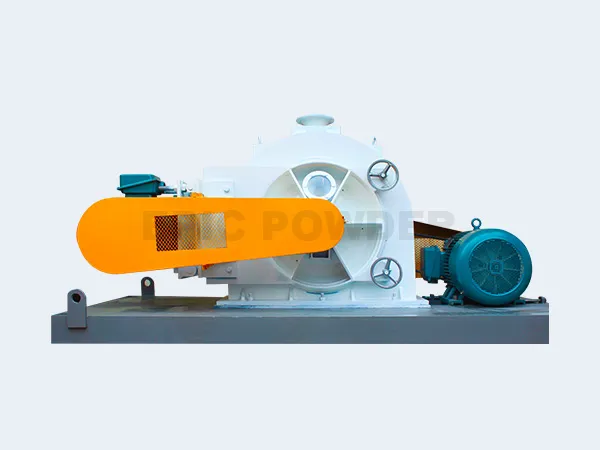
لماذا تُعدّ المعالجة مهمة؟ تتطلب التطبيقات المختلفة أحجامًا ومستويات نقاء مختلفة للجسيمات. يحتاج مُصنِّع الطلاء إلى مسحوق ناعم ومتجانس. ويحتاج مُشغِّل سائل الحفر إلى خصائص انسيابية ثابتة. ويحتاج مُنتِج الأعلاف إلى امتصاص موثوق للسموم الفطرية. تُحدث المطاحن المناسبة، والمصنفات الهوائية، والفواصل المغناطيسية الفرق بين المواد العادية والمواد عالية الأداء.
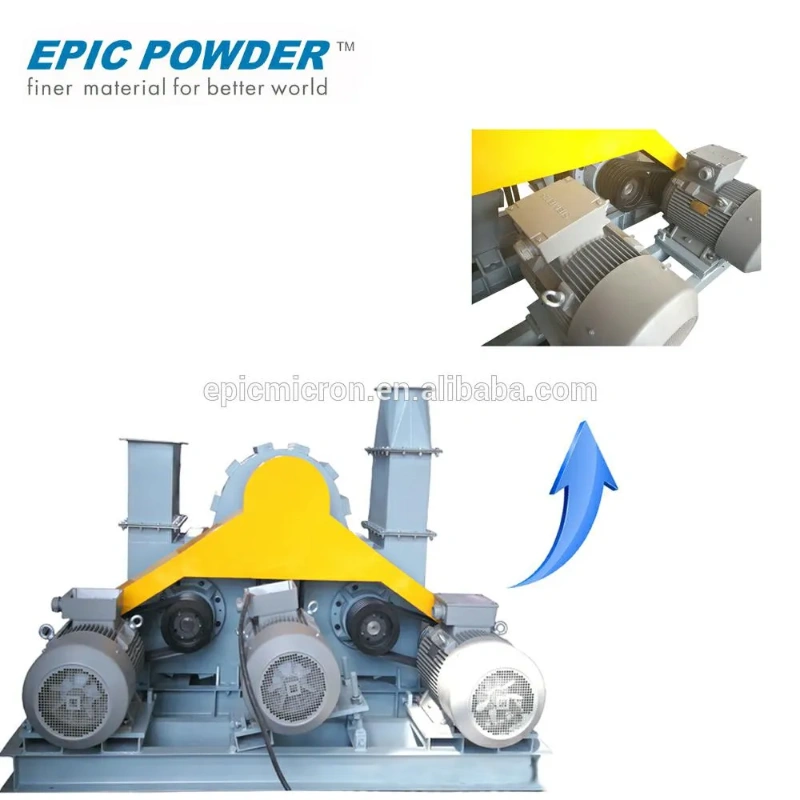
في شركة إبيك لماكينات البارود, نحن متخصصون في توفير معدات الطحن والتصنيف للأتابولجيت والمعادن الصناعية الأخرى. صُممت أنظمتنا لمساعدة المصنّعين على تحقيق توزيع متجانس لحجم الجسيمات، ونقاء عالٍ، وإنتاج فعال.
كيفية اختيار الأتابولجيت المناسب لتطبيقك
إذا كنت تبحث عن مادة الأتابولجيت لمشروعك، فإليك بعض الاعتبارات العملية:
اعرف متطلبات النقاء الخاصة بك
عمومًا، تعني النقاوة الأعلى أداءً أفضل، ولكنها تعني أيضًا تكلفة أعلى. في إزالة لون الزيوت الصالحة للأكل، يمكن للأتابولجيت بنقاوة 75-85% أن يضاهي أداء البنتونيت المنشط. أما في التطبيقات الأخرى، فقد تكفي درجات أقل.
تحقق من طريقة المعالجة
يُحسّن الأتابولجيت المُنشّط حراريًا (200-400 درجة مئوية) مساحة السطح وقدرة الامتصاص إلى أقصى حد. أما الأتابولجيت المُعالج بالحمض فيتميز ببنية مسامية مُحسّنة. تأكد من أن موردك يُمكنه إخبارك بكيفية معالجة المادة.
اطلب نسخة تجريبية
أفضل طريقة لمعرفة ما إذا كان نوع معين من الأتابولجيت مناسبًا لعمليتك هي اختباره. يمكن لمعظم الموردين الموثوقين - بما في ذلك شركة إبيك باودر - توفير عينات للتقييم.
اسأل عن مدى اتساق النتائج
في التطبيقات الصناعية، يُعدّ اتساق جودة المنتجات بين الدفعات بنفس أهمية الأداء المطلق. ابحث عن موردين لديهم أنظمة مراقبة جودة ومواصفات واضحة.
خاتمة
يُعدّ معدن الأتابولجيت، بفضل بنيته البلورية الفريدة على شكل قضبان، ومساحة سطحه الكبيرة، وخصائصه الامتزازية المتعددة، من أكثر المعادن الطبيعية فائدةً في التطبيقات الصناعية. فمن معالجة المياه والحفز إلى الزراعة والبناء، تستمر قدرته على الامتزاز والتعليق والتقوية في دفع عجلة التطبيقات الجديدة.
مع تقدم الأبحاث، يجد الأتابولجيت طريقه إلى المواد النانوية المتقدمة لتطبيقات الامتزاز الموجه، والحفز، والمواد المركبة. ويتجه هذا التوجه نحو منتجات ذات قيمة أعلى وهندسة أكثر دقة، ويبدأ ذلك بتحسين عمليات التصنيع.
مسحوق ملحمي
مسحوق ملحمي, لدينا خبرة تزيد عن 20 عامًا في صناعة المساحيق فائقة النعومة. نسعى جاهدين لتطوير هذه الصناعة، مع التركيز على عمليات الطحن والتصنيف والتعديل. تواصلوا معنا للحصول على استشارة مجانية وحلول مصممة خصيصًا لتلبية احتياجاتكم! فريقنا من الخبراء ملتزم بتقديم منتجات وخدمات عالية الجودة لتحقيق أقصى استفادة من عمليات معالجة المساحيق لديكم.

“شكرًا لقراءتكم. أتمنى أن يكون مقالي مفيدًا. يُرجى ترك تعليق أدناه. كما يمكنكم التواصل مع ممثل خدمة عملاء EPIC Powder عبر الإنترنت. زيلدا لأي استفسارات أخرى.”
— جيسون وانج, مهندس