
วัสดุพอลิเมอร์เป็นหนึ่งในสามระบบวัสดุหลักควบคู่ไปกับโลหะและเซรามิกในอุตสาหกรรมสมัยใหม่ มีการใช้กันอย่างแพร่หลายในสินค้าอุปโภคบริโภคในชีวิตประจำวัน อุปกรณ์อิเล็กทรอนิกส์ ชิ้นส่วนไฟฟ้า การผลิตสายเคเบิล ชิ้นส่วนยานยนต์ วัสดุก่อสร้าง และสาขาอื่นๆ อีกมากมาย อย่างไรก็ตาม เนื่องจากพอลิเมอร์ส่วนใหญ่มีโครงสร้างหลักเป็นสายโซ่คาร์บอน จึงสลายตัวได้ง่ายเมื่อได้รับความร้อนและก่อให้เกิดก๊าซไวไฟ ส่งผลให้ติดไฟได้ง่ายเมื่ออยู่ในเปลวไฟ ซึ่งเป็นภัยคุกคามต่อความปลอดภัยของมนุษย์และทรัพย์สิน ดังนั้น การนำพอลิเมอร์มาใช้ อะลูมิเนียมไฮดรอกไซด์ สารหน่วงไฟปลอดฮาโลเจนที่ใช้กันอย่างแพร่หลายที่สุดชนิดหนึ่ง ได้กลายเป็นแนวทางสำคัญในการเพิ่มประสิทธิภาพการหน่วงไฟของพอลิเมอร์ และเป็นหัวข้อการวิจัยที่สำคัญในศาสตร์วัสดุ
กลไกการเผาไหม้ของพอลิเมอร์และกลยุทธ์การหน่วงการติดไฟ
โดยพื้นฐานแล้ว การเผาไหม้พอลิเมอร์เป็นกระบวนการสลายตัวด้วยความร้อน เมื่อได้รับความร้อนจนถึงอุณหภูมิหนึ่ง โซ่พอลิเมอร์จะแตกออก ก่อให้เกิดสารประกอบไวไฟที่ระเหยง่าย ซึ่งมีส่วนร่วมในปฏิกิริยาลูกโซ่อนุมูลอิสระในบริเวณเปลวไฟ ส่งผลให้การเผาไหม้รุนแรงขึ้น กระบวนการนี้จะปล่อยความร้อนจำนวนมาก ซึ่งป้อนกลับเข้าสู่วัสดุ ทำให้เกิดการเสื่อมสภาพจากความร้อนอย่างต่อเนื่องและก่อให้เกิดวงจรอุบาทว์
จากกลไกนี้ กลยุทธ์การหน่วงไฟในปัจจุบันมุ่งเน้นไปที่สองแนวทางหลัก:
การหน่วงการติดไฟในสถานะก๊าซ
การหยุดปฏิกิริยาลูกโซ่ของอนุมูลอิสระในเขตการเผาไหม้เพื่อลดประสิทธิภาพการเผาไหม้
การหน่วงการติดไฟแบบเฟสควบแน่น
การปิดกั้นการถ่ายเทความร้อนหรือการสร้างชั้นถ่านป้องกันเพื่อป้องกันไม่ให้ความร้อนและผลิตภัณฑ์จากการสลายตัวที่ติดไฟได้อพยพไปยังบริเวณเปลวไฟ
เพื่อให้บรรลุผลดังกล่าว จึงมีการพัฒนาสารหน่วงไฟหลายชนิด สารเหล่านี้ทำงานโดยการดูดซับความร้อน ปล่อยก๊าซเฉื่อย ดักจับอนุมูลอิสระ หรือส่งเสริมการคาร์บอไนเซชัน ขึ้นอยู่กับ เคมี โครงสร้างสารหน่วงไฟสามารถแบ่งกว้างๆ ได้เป็นประเภทอินทรีย์และอนินทรีย์
เหตุใดอุตสาหกรรมหลายแห่งจึงเปลี่ยนมาใช้สารหน่วงไฟอนินทรีย์
แม้ว่าสารหน่วงไฟอินทรีย์บางชนิด เช่น ระบบฮาโลเจน จะมีประสิทธิภาพสูง แต่ผลิตภัณฑ์ที่สลายตัวด้วยความร้อนอาจก่อให้เกิดความเป็นพิษหรือความเสี่ยงต่อสิ่งแวดล้อม ด้วยกฎระเบียบด้านสิ่งแวดล้อมที่เข้มงวดขึ้น อุตสาหกรรมต่างๆ จึงหันมาใช้สารหน่วงไฟอนินทรีย์ที่ปลอดภัยและเป็นมิตรต่อสิ่งแวดล้อมมากขึ้น
ข้อดีของสารหน่วงไฟอนินทรีย์-
- ปลอดสารพิษและก่อให้เกิดควันน้อย
- เสถียรภาพทางความร้อนสูงและปฏิกิริยาเคมีต่ำ
- ต้นทุนค่อนข้างต่ำและระดับการโหลดที่อนุญาตสูง
ในบรรดาสารหน่วงไฟอนินทรีย์ทั้งหมด อะลูมิเนียมไฮดรอกไซด์ (Al(OH)₃, ATH) เป็นที่ใช้กันอย่างแพร่หลายที่สุดและถือเป็น “ที่ชื่นชอบตลอดกาล” ในอุตสาหกรรมสารหน่วงการติดไฟ
ทำไมอะลูมิเนียมไฮดรอกไซด์จึงเป็นที่นิยม?
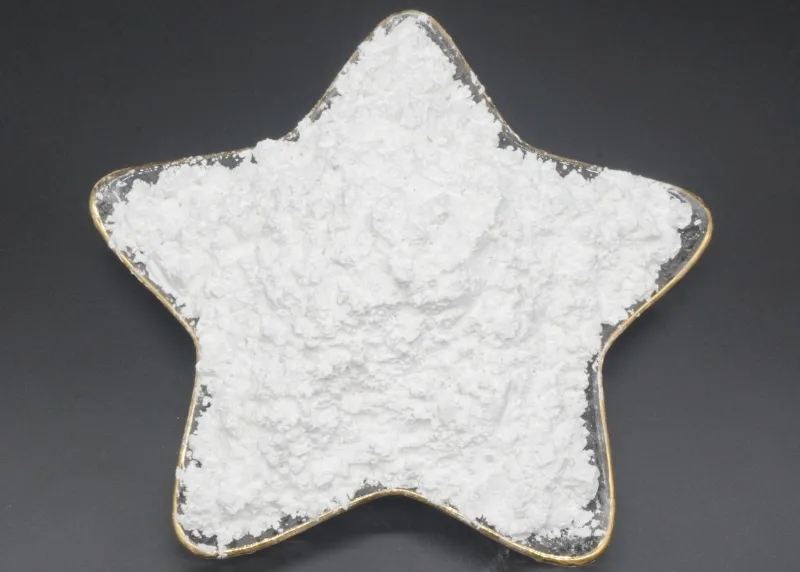
เนื่องจากเป็นสารหน่วงไฟอนินทรีย์ที่มีปริมาณการใช้มากที่สุดและมีการใช้กันอย่างแพร่หลายที่สุด ATH จึงพบได้ในระบบสารหน่วงไฟโพลีเมอร์เกือบทั้งหมด รวมถึงสารประกอบของสายไฟและสายเคเบิล ผลิตภัณฑ์ยาง เทอร์โมเซ็ต เทอร์โมพลาสติก และวัสดุก่อสร้าง ข้อดีหลักของ ATH ประกอบด้วย:
1. การสลายตัวแบบดูดความร้อนอย่างรุนแรง (การดูดซับความร้อนทางกายภาพและการทำความเย็น)
ATH จะสลายตัวแบบดูดความร้อนที่อุณหภูมิประมาณ 200–300°C:
อัล(OH)₃ → อัล₂O₃ + 3H₂O↑
ปฏิกิริยานี้จะดูดซับความร้อนจำนวนมากและปล่อยไอน้ำออกมา ซึ่งจะเจือจางก๊าซไวไฟและทำให้การเผาไหม้ช้าลง
2.การก่อตัวของชั้นอะลูมินาป้องกัน (การป้องกันเฟสควบแน่น)
Al₂O₃ ที่เกิดขึ้นจะสร้างชั้นคล้ายเซรามิกที่มีความหนาแน่นและเสถียรบนพื้นผิววัสดุ โดยปิดกั้นออกซิเจนและป้องกันการสลายตัวทางความร้อนเพิ่มเติมของโพลีเมอร์
3.ปลอดภัย เป็นมิตรต่อสิ่งแวดล้อม และคุ้มค่า
ATH มีความเสถียรทางเคมีและไม่ก่อให้เกิดก๊าซพิษ สอดคล้องกับข้อกำหนดด้านสิ่งแวดล้อมระดับโลก ทรัพยากรที่อุดมสมบูรณ์และต้นทุนต่ำทำให้เหมาะอย่างยิ่งสำหรับใช้เป็นทั้งสารหน่วงไฟและสารตัวเติมที่ใช้งานได้จริง ช่วยปรับปรุงคุณสมบัติเชิงกลและคุณสมบัติเป็นฉนวน พร้อมทั้งลดควัน
4.ช่วงการใช้งานที่กว้างมาก
เนื่องจากอุณหภูมิการสลายตัวที่ปานกลาง ATH จึงเหมาะอย่างยิ่งสำหรับโพลีเมอร์อุณหภูมิการแปรรูปต่ำ เช่น โพลีโอเลฟิน PVC และยาง
การใช้งานทั่วไปได้แก่:
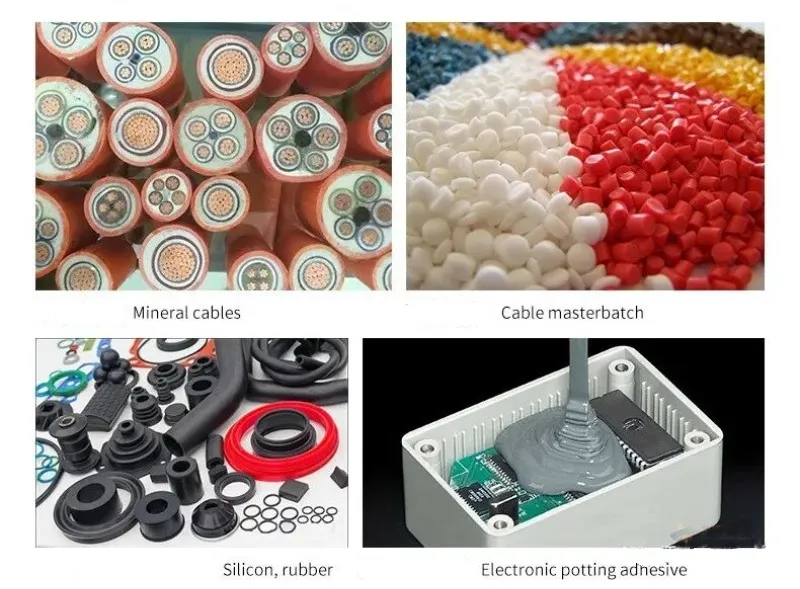
- สายไฟและสายเคเบิล: สารประกอบสายเคเบิลปลอดฮาโลเจนควันต่ำพร้อมการโหลด ATH 50%–65%
- วัสดุก่อสร้าง: แผ่นฉนวนกันความร้อน แผงอลูมิเนียมคอมโพสิตทนไฟ คอมโพสิตรถไฟใต้ดิน/อุโมงค์
- ยานยนต์และการขนส่ง: วัสดุชุดแบตเตอรี่ EV ชิ้นส่วนภายใน ส่วนประกอบระบบขนส่งทางราง
- อุปกรณ์อิเล็กทรอนิกส์และเครื่องใช้ไฟฟ้า: แผ่นลามิเนต PCB, ตัวเรือนเครื่องใช้ไฟฟ้า, ปลั๊กและซ็อกเก็ต
- สายพานลำเลียงยาง: สายพานป้องกันไฟฟ้าสถิตย์ทนไฟสำหรับการทำเหมือง
อะลูมิเนียมไฮดรอกไซด์ก็มีข้อเสียเช่นกัน
ข้อเสียหลัก ๆ ได้แก่:
- ระดับการโหลดสูง (โดยทั่วไปคือ 40%–65% สำหรับ UL94 V-0) ซึ่งอาจลดความแข็งแรงเชิงกลและการไหลของของเหลวที่หลอมละลาย
- มีคุณสมบัติชอบน้ำสูงและเข้ากันได้ไม่ดีกับโพลิเมอร์ที่ไม่ชอบน้ำ จำเป็นต้องมีการบำบัดพื้นผิว (ไซเลน ไททาเนต กรดสเตียริก ฯลฯ)
อย่างไรก็ตาม ด้วยความก้าวหน้าในการบดละเอียดพิเศษ (D50 < 2 μm) การปรับเปลี่ยนพื้นผิว นาโน-ATH และการใช้ร่วมกับแมกนีเซียมไฮดรอกไซด์ ปัญหาเหล่านี้จึงได้รับการบรรเทาลงอย่างมาก
เทคโนโลยีการเตรียมและการบดอะลูมิเนียมไฮดรอกไซด์:
ประสิทธิภาพของ ATH ในระบบหน่วงการติดไฟมีความเกี่ยวข้องอย่างใกล้ชิดกับ ขนาดอนุภาคการกระจายขนาดอนุภาค พื้นที่ผิวจำเพาะ และคุณสมบัติพื้นผิว ดังนั้น ATH คุณภาพสูงจึงต้องอาศัยกระบวนการบดและการจำแนกประเภทที่เสถียรและแม่นยำ
1. แหล่งที่มาของวัตถุดิบและการเตรียมเบื้องต้น
โดยทั่วไปแล้ว ATH ระดับอุตสาหกรรมจะผลิตขึ้นผ่านกระบวนการไบเออร์ อนุภาค ATH ดิบมักมีการเกาะตัวกันและมีขนาดอนุภาคค่อนข้างใหญ่ จำเป็นต้องมีการบดเพิ่มเติมเพื่อให้เป็นไปตามข้อกำหนดด้านประสิทธิภาพในระบบโพลิเมอร์
2. อุปกรณ์บด การเลือก: กุญแจสำคัญในการควบคุมขนาดอนุภาค
การใช้งานที่แตกต่างกันต้องการขนาดอนุภาคที่แตกต่างกัน:
- สารประกอบสายเคเบิล: D50 = 1–10 ไมโครเมตร
- สารเคลือบ / กาว: เกรดที่ละเอียดกว่า
- มาสเตอร์แบตช์ระดับไฮเอนด์: D97 < 10 μm โดยมีการกระจายขนาดแคบ
วิธีการบดทั่วไปได้แก่:
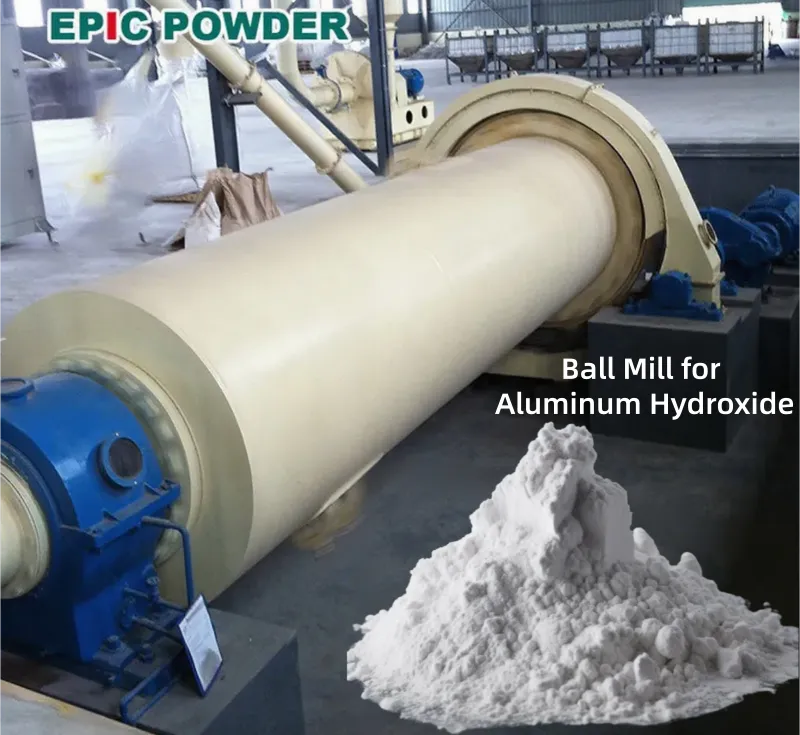
ระบบเครื่องบดลูกเหล็ก + เครื่องแยกอากาศ
- เหมาะสำหรับการผลิต D50 1–8 μm ATH ในปริมาณมากและมีเสถียรภาพ
- การควบคุมขนาดอนุภาคที่แม่นยำ บรรลุ D97 10–15 μm
- ใช้กันอย่างแพร่หลายใน PVC, PP, สารประกอบสายเคเบิล
- ปรับปรุงรูปร่างอนุภาคและการกระจายตัว
เจ็ทมิลล์ (แอร์เจ็ทมิลล์)
- ใช้กระแสลมความเร็วสูงเพื่อการเจียรแบบละเอียดพิเศษ
- ผลิตผงซูเปอร์ไมครอน D97 3–5 μm หรือละเอียดกว่า
- เหมาะสำหรับพลาสติกวิศวกรรม วัสดุโปร่งใส สูตรเกรดออปติคอล
- ไม่มีการปนเปื้อนของสื่อ จึงมั่นใจได้ถึงความบริสุทธิ์สูง
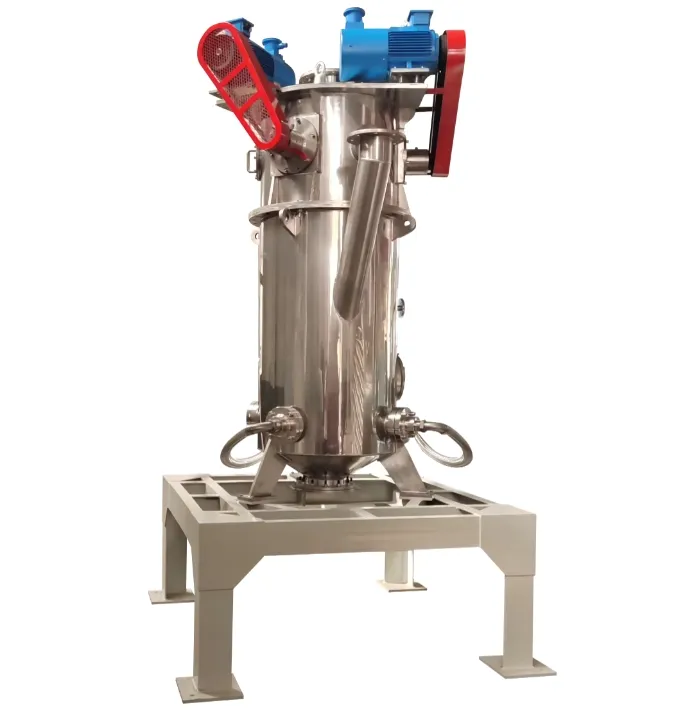
เครื่องบดลูกกลิ้งแนวตั้ง พิน มิลล์, เครื่องบดแบบกระแทก
- เหมาะสำหรับเกรดความละเอียดปานกลาง (D50 5–30 μm)
- ใช้ในวัสดุก่อสร้างและผลิตภัณฑ์ยาง
- ผลผลิตที่สูงขึ้น ต้นทุนการดำเนินงานที่ต่ำลง
3. เทคโนโลยีการจำแนกประเภท:เพื่อให้มั่นใจถึง PSD ที่แคบและความเสถียรสูง
เครื่องแยกกังหันความแม่นยำสูงหรือเครื่องแยกหลายล้อจะแยกอนุภาคละเอียดและหยาบ โดยให้ ATH ด้วย:
- การกระจายขนาดอนุภาคที่แคบ
- ความหนืดของระบบต่ำในสารหลอมโพลิเมอร์
- การกระจายตัวสม่ำเสมอ
- ประสิทธิภาพการทนไฟมีเสถียรภาพและมีประสิทธิภาพมากขึ้น
โดยเฉพาะอย่างยิ่งในสารประกอบสายเคเบิลที่มีการโหลดสูง ความเสถียรของขนาดอนุภาคส่งผลโดยตรงต่อคุณสมบัติเชิงกลและประสิทธิภาพการอัดรีด
4. การปรับเปลี่ยนพื้นผิว:การปรับปรุงความเข้ากันได้กับเมทริกซ์โพลิเมอร์
พอลิเมอร์ที่ไม่มีขั้ว เช่น PP และ PE มีความเข้ากันได้ไม่ดีกับสารตัวเติมอนินทรีย์ ทำให้การปรับสภาพพื้นผิวมีความจำเป็น
สารจับคู่ทั่วไป
- ไททาเนต
- ไซเลน
- อะลูมิเนต
กระบวนการปรับเปลี่ยน
ตัวปรับเปลี่ยนอย่างต่อเนื่อง + การผสมแบบแรงเฉือนสูง
ประโยชน์
- ความหนืดของของเหลวที่หลอมละลายต่ำ
- การกระจายตัวที่ดีขึ้น
- อนุญาตให้บรรจุฟิลเลอร์ได้สูงกว่า
- คุณสมบัติเชิงกลที่ดีขึ้น
ในสารประกอบลวดและสายเคเบิล ATH คุณภาพสูงจะต้องผ่านพื้นผิว การเคลือบ เพื่อให้ได้เสถียรภาพในการประมวลผลและประสิทธิภาพการเป็นฉนวนไฟฟ้าที่ยอดเยี่ยม
บทสรุป
การปรับปรุงประสิทธิภาพการหน่วงไฟของพอลิเมอร์เป็นภารกิจระยะยาวที่สำคัญยิ่ง ในบรรดาสารหน่วงไฟมากมาย อะลูมิเนียมไฮดรอกไซด์โดดเด่นในเรื่องคุณสมบัติการดูดซับความร้อน การปล่อยน้ำ การสร้างชั้นป้องกัน ความปลอดภัย และเป็นมิตรต่อสิ่งแวดล้อม อะลูมิเนียมไฮดรอกไซด์ช่วยเพิ่มระดับการหน่วงไฟควบคู่ไปกับการปฏิบัติตามกฎระเบียบที่เข้มงวดยิ่งขึ้น ทำให้อะลูมิเนียมไฮดรอกไซด์ถูกนำไปใช้อย่างแพร่หลายในอุตสาหกรรมสายเคเบิล การก่อสร้าง ยานยนต์ และอุปกรณ์อิเล็กทรอนิกส์
ในขณะที่เทคโนโลยีหน่วงการติดไฟมีการพัฒนา ATH จะยังคงมีบทบาทสำคัญ โดยเฉพาะอย่างยิ่งในสูตรประสิทธิภาพสูง ระบบที่ทำงานร่วมกัน และการใช้งานที่แม่นยำ
ผง EPIC ให้บริการโซลูชันการประมวลผลที่ครบวงจรสำหรับการผลิต ATH รวมถึง:
- โรงงานลูกบอล + หลายขั้นตอน ลักษณนามอากาศ ระบบ
- สายการผลิตผงละเอียดพิเศษแบบเจ็ทมิลล์
- ระบบปรับเปลี่ยนพื้นผิวผงอย่างต่อเนื่อง
ด้วยการควบคุมขนาดอนุภาคที่แม่นยำ การบดที่มีการปนเปื้อนต่ำ และการปรับเปลี่ยนที่มีประสิทธิภาพ EPIC Powder จึงทำให้ ATH สำหรับสารประกอบสายเคเบิล ยาง วัสดุก่อสร้าง และพลาสติกวิศวกรรมมีความเสถียรและมีประสิทธิภาพสูง
ขอบคุณที่อ่านนะคะ หวังว่าบทความของฉันจะเป็นประโยชน์นะคะ แสดงความคิดเห็นไว้ด้านล่างได้เลยค่ะ หรือหากมีข้อสงสัยเพิ่มเติม สามารถติดต่อตัวแทนฝ่ายบริการลูกค้าออนไลน์ของ Zelda ได้ค่ะ
— โพสต์โดย เอมิลี่ เฉิน