
เหตุใดพื้นที่ผิวจำเพาะจึงมีความสำคัญ
ในโลกของวัสดุผง พื้นที่ผิวจำเพาะ (SSA) เป็นตัวบ่งชี้ประสิทธิภาพที่สำคัญอย่างยิ่ง ซึ่งกำหนดโดยตรงว่าวัสดุของคุณจะมีพฤติกรรมอย่างไรในการใช้งาน ไม่ว่าคุณจะกำลังพัฒนาอิเล็กโทรดแบตเตอรี่ ตัวเร่งปฏิกิริยาขั้นสูง สารช่วยในการผลิตยา หรือสารเติมแต่งเชิงฟังก์ชัน SSA มีอิทธิพลต่อปฏิกิริยา ความสามารถในการดูดซับ พฤติกรรมการกระจายตัว และท้ายที่สุดคือคุณภาพของผลิตภัณฑ์.
วัสดุที่มีพื้นที่ผิวจำเพาะสูง (SSA) จะมีบริเวณที่เกิดปฏิกิริยาเคมีได้มากกว่า ทำให้เหมาะสำหรับใช้เป็นตัวเร่งปฏิกิริยา สารดูดซับ และสารดูดความชื้น ในทางกลับกัน วัสดุที่มีพื้นที่ผิวจำเพาะต่ำ (SSA) อาจเป็นที่ต้องการมากกว่าในกรณีที่ความสามารถในการไหลและความหนาแน่นของการบรรจุเป็นสิ่งสำคัญ ความท้าทายอยู่ที่การควบคุมพื้นที่ผิวจำเพาะ (SSA) ผ่านการออกแบบกระบวนการอย่างรอบคอบ และนี่คือจุดที่อุปกรณ์แปรรูปผงแบบพิเศษเข้ามามีบทบาท.
ที่ เครื่องจักรผงสุดอลังการ, เราได้ทุ่มเทเวลามากกว่า 20 ปีในการช่วยเหลือลูกค้าในกว่า 30 ประเทศทั่วโลกให้สามารถควบคุมคุณสมบัติของผงได้อย่างแม่นยำผ่านเทคโนโลยีการบด การคัดแยก และการปรับแต่งขั้นสูง ในบทความนี้ เราจะวิเคราะห์ปัจจัยสำคัญที่มีอิทธิพลต่อพื้นที่ผิวจำเพาะ และแสดงให้เห็นว่าอุปกรณ์ที่เหมาะสมจะช่วยให้คุณบรรลุเป้าหมายได้อย่างไร.
1. ขนาดอนุภาค
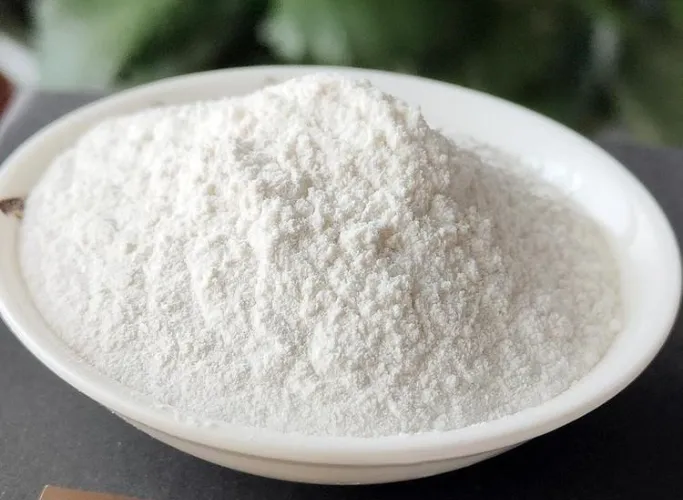
ขนาดอนุภาคเป็นปัจจัยกำหนดพื้นที่ผิวจำเพาะที่ชัดเจนที่สุด สำหรับมวลที่เท่ากัน อนุภาคขนาดเล็กจะมีพื้นที่ผิวมากกว่าอย่างเห็นได้ชัด เนื่องจากมีสัดส่วนของอะตอมหรือโมเลกุลบนพื้นผิวมากกว่าเมื่อเทียบกับปริมาตร ความสัมพันธ์เป็นแบบผกผัน กล่าวคือ เมื่อขนาดอนุภาคลดลง พื้นที่ผิวจำเพาะจะเพิ่มขึ้น.
กระบวนการผลิตส่งผลต่อขนาดอนุภาคอย่างไร
การลดขนาด: การบดเชิงกล การบดด้วยเจ็ท และกระบวนการบดละเอียดอื่นๆ ช่วยลดขนาดอนุภาคโดยตรง ทำให้พื้นที่ผิวจำเพาะ (SSA) เพิ่มขึ้น ตัวอย่างเช่น ผลิตภัณฑ์ของ Epic Powder เครื่องบดเจ็ทแบบฟลูอิไดซ์เบด MQW สามารถควบคุมขนาดอนุภาคได้อย่างแม่นยำจนถึงระดับ D50 1–25 μm ซึ่งช่วยเพิ่มพื้นที่ผิวจำเพาะ (SSA) อย่างมากสำหรับวัสดุต่างๆ ตั้งแต่แคโทดแบตเตอรี่ไปจนถึงคาร์บอนเชิงฟังก์ชัน.
การควบคุมการจับกลุ่ม: ในระหว่างกระบวนการผลิต อนุภาคละเอียดมักจะรวมตัวกันเป็นกลุ่มก้อนขนาดใหญ่ขึ้น ซึ่งจะลดพื้นที่ผิวจำเพาะ (SSA) ที่มีประสิทธิภาพ การกระจายตัวที่เหมาะสม—ซึ่งทำได้โดยการปรับอัตราการป้อนวัสดุ การปรับความเร็วของเครื่องคัดแยก และการเลือกอุปกรณ์ที่เหมาะสม—จะช่วยป้องกันการสูญเสียพื้นที่ผิวนี้ ผลิตภัณฑ์ของ Epic Powder เครื่องอบแห้งผงและเครื่องแยกก้อนผง ได้รับการออกแบบมาโดยเฉพาะเพื่อสลายกลุ่มก้อนและรักษาสภาพพื้นผิวจำเพาะ (SSA) ไว้.
2. รูปร่างของอนุภาค
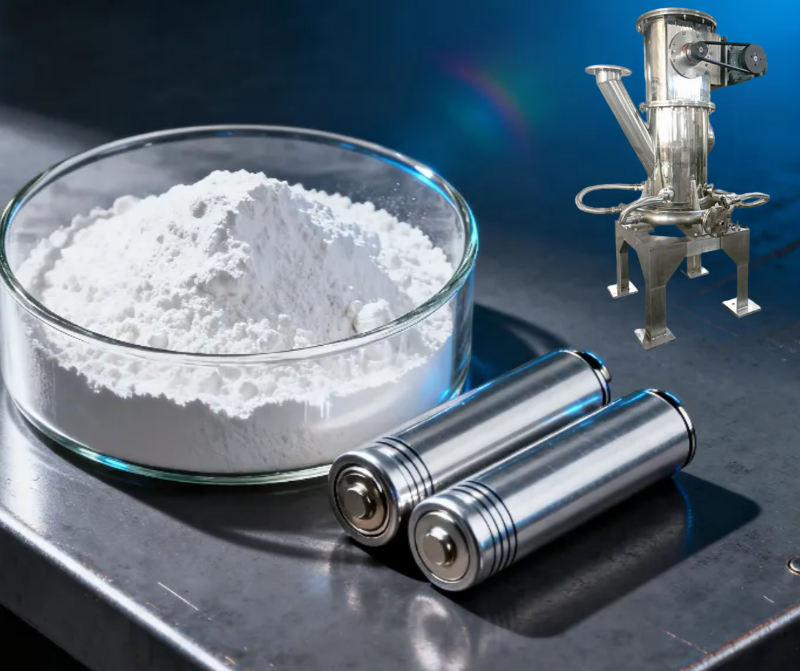
อนุภาคทุกชนิดไม่ได้มีคุณสมบัติเหมือนกันทั้งหมด ในบรรดารูปทรงเรขาคณิตต่างๆ ทรงกลมมีอัตราส่วนพื้นที่ผิวต่อปริมาตรต่ำที่สุด อนุภาคที่มีรูปร่างซับซ้อน เช่น เกล็ด เข็ม หรือรูปทรงไม่สม่ำเสมอ จะมีพื้นที่ผิวมากกว่าเมื่อเทียบกับปริมาตรเท่ากัน.
การควบคุมรูปทรงผ่านการออกแบบอุปกรณ์
กลไกการบดนั้นมีผลต่อรูปร่างของอนุภาค. เครื่องบดพิน อย่างเช่นของ Epic Powder ซีรีส์ MJL-P ใช้แรงกระแทกและแรงเฉือนความเร็วสูงระหว่างหมุดที่ขบกัน ทำให้เกิดอนุภาคที่มีรูปร่างที่ควบคุมได้ เหมาะสำหรับการใช้งานในอุตสาหกรรมอาหารและยา. โรงสีลักษณนามอากาศ ผสานการเจียรเข้ากับการคัดแยกแบบไดนามิก ช่วยให้ผู้ปฏิบัติงานสามารถปรับแต่งได้ไม่เพียงแค่ขนาด แต่ยังรวมถึงลักษณะรูปทรงด้วย.
สำหรับงานที่ต้องการอนุภาคทรงกลม เช่น วัสดุบางชนิดที่ใช้ในการผลิตแบตเตอรี่ Epic Powder นำเสนอผลิตภัณฑ์ที่เหมาะสม ระบบสร้างทรงกลม ซึ่งทำให้ขอบของอนุภาคกลมมน ในขณะที่ยังคงรักษาพื้นที่ผิวจำเพาะ (SSA) ตามเป้าหมายไว้.
3. ความพรุน
ความพรุน—อัตราส่วนของปริมาตรช่องว่างต่อปริมาตรทั้งหมด—เพิ่มมิติใหม่ให้กับพื้นที่ผิว วัสดุที่มีรูพรุน เช่น ถ่านกัมมันต์ ซีโอไลต์ และวัสดุแบตเตอรี่บางชนิด ได้รับพื้นที่ผิวจำเพาะส่วนใหญ่มาจากโครงสร้างรูพรุนภายใน ความพรุนสูงหมายถึงพื้นที่ผิวภายในที่มากขึ้นซึ่งพร้อมสำหรับการเกิดปฏิกิริยา การดูดซับ หรือการเก็บพลังงาน.
การสร้างรูพรุนด้วยกระบวนการทางวิศวกรรม
สามารถสร้างหรือปรับเปลี่ยนความพรุนได้ในระหว่างกระบวนการผลิต เทคนิคต่างๆ เช่น กระบวนการโซล-เจล และ วิธีการแม่แบบ สร้างเครือข่ายรูพรุนที่ควบคุมได้ อย่างไรก็ตาม กระบวนการหลังการผลิตก็มีความสำคัญเช่นกัน การอบแห้งหรือการให้ความร้อนที่ไม่เหมาะสมอาจทำให้รูพรุนยุบตัวลง ส่งผลให้พื้นที่ผิวจำเพาะลดลง.
Epic Powder ระบบการบดที่อุณหภูมิต่ำ และ การป้องกันด้วยก๊าซเฉื่อย ความสามารถเหล่านี้ช่วยรักษาสภาพโครงสร้างรูพรุนที่ละเอียดอ่อนในวัสดุที่ไวต่อความร้อนหรือเกิดปฏิกิริยาออกซิเดชันได้ สำหรับวัสดุที่มีคาร์บอนเป็นองค์ประกอบหลัก เช่น คาร์บอนพรุนและคาร์บอนแข็ง ความสามารถของเรา เครื่องบดเจ็ทอากาศ การเคลือบด้วยเซรามิกช่วยป้องกันการปนเปื้อนพร้อมทั้งรักษาความสมบูรณ์ของรูพรุน.
4. วิธีการประมวลผล
วิธีการผลิตที่แตกต่างกันส่งผลให้ผลลัพธ์ของ SSA แตกต่างกันอย่างสิ้นเชิง ต่อไปนี้คือการเปรียบเทียบเทคนิคที่ใช้กันทั่วไป:
| วิธี | ผลกระทบของ SSA | เหมาะสำหรับ |
|---|---|---|
| เจ็ตมิลลิ่ง | พื้นที่ผิวจำเพาะสูง การกระจายตัวแคบ | วัสดุที่มีความบริสุทธิ์สูง ไวต่อความร้อน หรือแข็ง |
| เครื่องบดลูกบอล + เครื่องคัดแยก | SSA ระดับปานกลางถึงสูง ปรับขนาดได้ | การแปรรูปแร่ปริมาณมาก |
| พิน มิลล์ | อนุภาคละเอียดที่มีรูปร่างที่ควบคุมได้ | ผงอาหาร ผงยา และผงเคมี |
| เครื่องบดเชิงกล | สังคมสงเคราะห์ระดับปานกลาง เศรษฐกิจ | การบดหยาบถึงปานกลาง |
| CVD / การเผาไหม้แบบสเปรย์ | ค่า SSA สูงมาก ควบคุมได้อย่างแม่นยำ | วัสดุขั้นสูง, ผงนาโน |
Epic Powder “ลูกค้าหนึ่งราย ออกแบบหนึ่งเดียว” ปรัชญาของเราหมายความว่าเราไม่ได้แค่ขายอุปกรณ์ แต่เราออกแบบสายการผลิตที่สมบูรณ์แบบซึ่งปรับให้เหมาะสมกับคุณสมบัติของวัสดุและเป้าหมายพื้นที่ผิวจำเพาะ (SSA) ของคุณ กระบวนการของเราเริ่มต้นด้วยการทดสอบตัวอย่างในศูนย์วิจัยและพัฒนาของเรา ตามด้วยการออกแบบกระบวนการ การเลือกอุปกรณ์ และการทดสอบระบบในสถานที่จริง.
5. ขั้นตอนหลังการผลิต: การอบชุบด้วยความร้อนและการปรับเปลี่ยนพื้นผิว
แม้หลังจากลดขนาดแล้ว การรักษาในขั้นตอนต่อไปก็ยังสามารถเปลี่ยนแปลงค่า SSA ได้อย่างมีนัยสำคัญ.
การอบชุบด้วยความร้อน: การเผาหรือการอบอ่อนสามารถเปลี่ยนแปลงความเป็นผลึก องค์ประกอบของเฟส และขนาดอนุภาค ซึ่งทั้งหมดนี้ส่งผลต่อพื้นที่ผิวจำเพาะ (SSA) ความร้อนที่มากเกินไปอาจทำให้เกิดการเผาผนึก ลดพื้นที่ผิว ในขณะที่กระบวนการทางความร้อนที่ควบคุมได้สามารถเพิ่มความพรุนได้.
การปรับเปลี่ยนพื้นผิว: การเคลือบหรือการปรับแต่งพื้นผิวอนุภาคสามารถปรับแต่งพื้นที่ผิวจำเพาะ (SSA) และเคมีพื้นผิวสำหรับการใช้งานเฉพาะด้านได้ ผลิตภัณฑ์ของ Epic Powder เครื่องพ่นสีฝุ่นและเครื่องดัดแปลง ช่วยให้สามารถปรับแต่งพื้นผิวได้อย่างแม่นยำ ตั้งแต่การปรับสภาพพื้นผิวด้วยสารเชื่อมประสานซิเลนไปจนถึงการเคลือบโพลิเมอร์.
กรณีศึกษา: การควบคุม SSA ในโลกแห่งความเป็นจริง
กรณีที่ 1: การบดละเอียดพิเศษของผงคาร์บอนแบล็กในอินเดีย
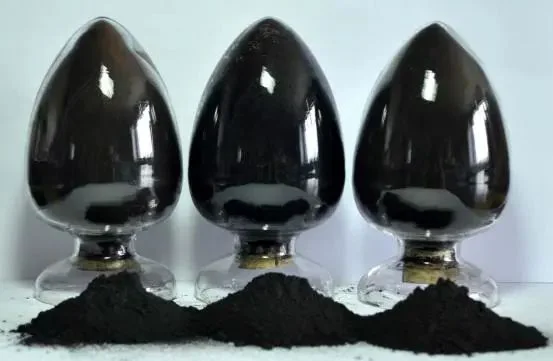
ผู้ผลิตผงคาร์บอนแบล็กจากอินเดียต้องการผงคาร์บอนแบล็กที่มีขนาดอนุภาค D97 ≤ 10 μm สำหรับการใช้งานในยางรถยนต์และสารเคลือบคุณภาพสูง แต่เนื่องจากผงคาร์บอนแบล็กมีแนวโน้มที่จะจับตัวเป็นก้อน ทำให้การผลิตผงคาร์บอนแบล็กที่มีขนาดอนุภาคดังกล่าวเป็นไปได้ยาก Epic Powder จึงได้เสนอทางออก โรงสีลักษณนามอากาศ ซึ่งเป็นการผสานการบดเข้ากับการคัดแยกแบบเรียลไทม์ ทำให้ได้ขนาดอนุภาคเป้าหมายที่มีพื้นที่ผิวจำเพาะสม่ำเสมอ และขจัดความผันแปรด้านคุณภาพ.
กรณีที่ 2: ผู้ผลิตแคลเซียมคาร์บอเนตจากประเทศกรีซ
บริษัทแปรรูปแร่สัญชาติกรีกที่จัดหาวัตถุดิบให้กับอุตสาหกรรมสีและสารเคลือบหลุมร่องฟัน ประสบปัญหาเรื่องขนาดอนุภาคที่ไม่สม่ำเสมอจากผลิตภัณฑ์ที่มีอยู่เดิม บริษัท Epic Powder จึงได้เข้ามาแก้ไขปัญหานี้ เครื่องบดแยกอากาศรุ่น MJW ได้ผงละเอียดพิเศษ D50 ขนาด 5–7 ไมโครเมตร ซึ่งช่วยให้ลูกค้าสามารถเข้าสู่ตลาด GCC ระดับพรีเมียมด้วยการควบคุม SSA ที่เชื่อถือได้.
กรณีที่ 3: การเจียรเซรามิกส์ทางทันตกรรมของสหรัฐอเมริกา
ลูกค้าชาวอเมริกันรายหนึ่งต้องการการบดละเอียดพิเศษของเซรามิกแก้วสำหรับงานทันตกรรมโดยปราศจากสิ่งปนเปื้อน Epic Powder จึงตอบโจทย์ได้ เครื่องบดเจ็ท MQW03 สำหรับห้องปฏิบัติการ ดำเนินการเจียรอย่างแม่นยำพร้อมทั้งรักษาความบริสุทธิ์ของวัสดุ ซึ่งเป็นสิ่งสำคัญสำหรับความเข้ากันได้ทางชีวภาพและประสิทธิภาพของผลิตภัณฑ์ขั้นสุดท้าย.
คำถามที่พบบ่อย:
ถาม: ฉันจะวัดพื้นที่ผิวจำเพาะได้อย่างไร?
A: วิธีที่นิยมใช้มากที่สุดคือเทคนิค BET (Brunauer-Emmett-Teller) ซึ่งใช้การดูดซับไนโตรเจนเพื่อหาปริมาณพื้นที่ผิวทั้งหมด รวมถึงพื้นที่ผิวภายในรูพรุน Epic Powder มีบริการทดสอบตัวอย่างที่ศูนย์วิจัยและพัฒนาของเรา เพื่อช่วยคุณในการวิเคราะห์คุณสมบัติของวัสดุของคุณ.
ถาม: ฉันสามารถเพิ่มพื้นที่ผิวจำเพาะ (SSA) โดยไม่ลดขนาดอนุภาคมากเกินไปได้หรือไม่?
A: ใช่ การเพิ่มหรือปรับปรุงรูพรุนผ่านกระบวนการผลิตที่ควบคุมได้ สามารถเพิ่มพื้นที่ผิวจำเพาะ (SSA) ในขณะที่ยังคงขนาดอนุภาคให้อยู่ในระดับปานกลาง ซึ่งมีความสำคัญอย่างยิ่งสำหรับตัวเร่งปฏิกิริยา สารดูดซับ และวัสดุสำหรับแบตเตอรี่.
ถาม: อะไรเป็นสาเหตุที่ทำให้ค่า SSA ลดลงระหว่างการประมวลผล?
A: สาเหตุทั่วไป ได้แก่ การจับตัวเป็นก้อนของอนุภาค การเกิดการหลอมละลายระหว่างการอบชุบด้วยความร้อน การยุบตัวของรูพรุนเนื่องจากการอบแห้งที่ไม่เหมาะสม และการปนเปื้อนที่เคลือบผิวอนุภาค การเลือกอุปกรณ์และการควบคุมกระบวนการที่เหมาะสมเป็นสิ่งสำคัญในการป้องกันปัญหาเหล่านี้.
ถาม: การเลือกอุปกรณ์มีผลต่อ SSA อย่างไร?
A: เครื่องบดแต่ละประเภทให้พลังงานและกลไกความเค้นที่แตกต่างกัน เครื่องบดแบบเจ็ทผลิตอนุภาคละเอียดและสะอาด มีพื้นที่ผิวจำเพาะสูง เครื่องบดแบบลูกบอลให้ความยืดหยุ่นในการปรับขนาด และเครื่องบดแบบพินเหมาะสำหรับวัสดุที่ไวต่อความร้อน ทีมวิศวกรของ Epic Powder สามารถแนะนำเทคโนโลยีที่เหมาะสมที่สุดสำหรับวัสดุของคุณได้.
ถาม: ค่า SSA ที่สูงขึ้นหมายถึงประสิทธิภาพที่ดีขึ้นเสมอไปหรือไม่?
ตอบ: ไม่จำเป็นเสมอไป แม้ว่าพื้นที่ผิวจำเพาะสูงจะช่วยเพิ่มปฏิกิริยาและการดูดซับ แต่ก็อาจลดความสามารถในการไหล เพิ่มการเกิดฝุ่น และทำให้การจัดการยุ่งยากขึ้นได้ พื้นที่ผิวจำเพาะที่เหมาะสมขึ้นอยู่กับข้อกำหนดเฉพาะของแอปพลิเคชันของคุณ.
ผงมหากาพย์
การทำความเข้าใจปัจจัยที่มีอิทธิพลต่อพื้นที่ผิวจำเพาะเป็นขั้นตอนแรก ขั้นตอนที่สองคือการนำวิธีการประมวลผลที่เหมาะสมมาใช้เพื่อให้ได้พื้นที่ผิวจำเพาะตามเป้าหมายอย่างสม่ำเสมอและคุ้มค่า.
ด้วยประสบการณ์กว่า 20 ปีในด้านการแปรรูปผง ทีมงานด้านเทคนิคที่มีประสบการณ์ในอุตสาหกรรมอย่างลึกซึ้ง และผลิตภัณฑ์ที่ครอบคลุมตั้งแต่เครื่องบดแบบเจ็ท เครื่องคัดแยกด้วยลม เครื่องบดแบบพิน เครื่องบดแบบลูกบอล และระบบปรับปรุงพื้นผิว Epic Powder Machinery จึงมีความพร้อมอย่างยิ่งที่จะช่วยให้คุณควบคุม SSA ได้อย่างเชี่ยวชาญ.
เราได้ดำเนินโครงการต่างๆ นับร้อยโครงการในอุตสาหกรรมพลังงานใหม่ ยา เคมีภัณฑ์ อาหาร และแร่ธาตุ ไม่ว่าคุณจะต้องการระบบขนาดห้องปฏิบัติการสำหรับการวิจัยและพัฒนา หรือสายการผลิตแบบครบวงจร เราก็พร้อมส่งมอบโซลูชันที่ออกแบบมาเพื่อความสำเร็จของคุณ.
พร้อมที่จะเพิ่มประสิทธิภาพกระบวนการแป้งของคุณแล้วหรือยัง? ติดต่อ Epic Powder ได้เลยวันนี้ สำหรับการปรึกษา การทดสอบตัวอย่าง หรือการเสนอราคาอุปกรณ์ที่ปรับแต่งตามความต้องการ.
บริษัท อีปิค พาวเดอร์ แมชชีนเนล จำกัด – วัสดุที่ดีกว่า โลกที่ดีกว่า.

“ขอบคุณที่อ่านบทความนี้ หวังว่าบทความนี้จะเป็นประโยชน์นะคะ กรุณาแสดงความคิดเห็นด้านล่าง หรือติดต่อตัวแทนฝ่ายบริการลูกค้าออนไลน์ของ EPIC Powder ได้ค่ะ” เซลด้า สำหรับคำถามเพิ่มเติมใดๆ”
— เจสัน หวัง วิศวกร