
วิทยาศาสตร์เบื้องหลังขนาดและรูปร่างของอนุภาค
จากประสบการณ์กว่า 20 ปีของผม การแปรรูปผง, ฉันได้เห็นด้วยตาตัวเองแล้วว่าเรื่องดิบๆ แบบนั้นเป็นอย่างไร เคมี องค์ประกอบทางเคมีเป็นเพียงครึ่งหนึ่งของปัจจัยสำคัญในการทำงานของแบตเตอรี่ โครงสร้างทางกายภาพของวัสดุ—โดยเฉพาะอย่างยิ่ง ขนาดอนุภาค และรูปทรงนั้นเป็นตัวกำหนดความหนาแน่นของพลังงานขั้นสุดท้าย เราไม่ได้แค่บดวัสดุ แต่เราออกแบบโครงสร้างจุลภาคเพื่อปลดล็อกศักยภาพสูงสุดของขั้วบวก.
การลดระยะทางการแพร่กระจายของลิเธียมไอออน
หลักการพื้นฐานนั้นเรียบง่ายแต่สำคัญยิ่ง: ยิ่งอนุภาคมีขนาดใหญ่เท่าไร ไอออนลิเธียมก็ยิ่งต้องเดินทางไกลมากขึ้นเท่านั้น การใช้การบดละเอียดพิเศษที่ขั้วบวกช่วยลดขนาดอนุภาคให้อยู่ในช่วงไมครอนที่เหมาะสม ซึ่งจะช่วยลดระยะทางการแพร่กระจายของไอออนลิเธียมได้อย่างมาก ลดความต้านทานภายใน และช่วยให้สามารถชาร์จและคายประจุได้เร็วขึ้นโดยไม่ทำให้เซลล์ร้อนเกินไป.
การปรับสมดุลพื้นที่ผิวจำเพาะ (BET)
การบดไม่ได้หมายความแค่เพียงการทำให้อนุภาคมีขนาดเล็กที่สุดเท่าที่จะเป็นไปได้เท่านั้น แต่ยังเกี่ยวกับความแม่นยำด้วย หากอนุภาคละเอียดเกินไป พื้นที่ผิวจำเพาะ (BET) จะสูงขึ้นอย่างมาก ส่งผลให้เกิดการก่อตัวของชั้นเชื่อมต่อระหว่างอิเล็กโทรไลต์แข็ง (SEI) มากเกินไป และสูญเสียความจุอย่างถาวร.
- เดิมพันสูงเกินไป: สิ้นเปลืองลิเธียมมากเกินไปในรอบแรก.
- เดิมพันต่ำเกินไป: ลดจำนวนจุดปฏิกิริยา ส่งผลให้กำลังไฟฟ้าที่ผลิตได้ลดลง.
- เป้าหมายของเรา: ควบคุมพื้นที่ผิวให้ได้สมดุลระหว่างปฏิกิริยาและความเสถียร.
เพิ่มความหนาแน่นของการเคาะให้สูงสุดด้วยอนุภาคทรงกลม
ปริมาตรภายในเคสแบตเตอรี่นั้นมีค่ามาก อนุภาคที่ไม่สม่ำเสมอและเป็นแผ่นจะทำให้เกิดช่องว่างและสิ้นเปลืองพื้นที่ เราจึงเน้นการขึ้นรูปอนุภาคให้เป็นทรงกลมในระหว่างกระบวนการบดเพื่อเพิ่มความหนาแน่นสูงสุด อนุภาคทรงกลมจะเรียงตัวกันแน่น ทำให้เราสามารถบรรจุวัสดุที่ใช้งานได้มากขึ้นในเนื้ออิเล็กโทรด ความหนาแน่นในการบรรจุที่สูงขึ้นจะส่งผลโดยตรงต่อความจุเชิงปริมาตรที่สูงขึ้น ทำให้แบตเตอรี่ใช้งานได้นานขึ้นในขนาดเท่าเดิม.
เทคโนโลยีการกัดเจ็ทแบบฟลูอิไดซ์เบด
เมื่อต้องการผลิตขั้วบวกที่มีความจุสูง วิธีการบดจะเป็นตัวกำหนดคุณภาพของผลิตภัณฑ์ขั้นสุดท้าย เราเลือกใช้การบดแบบฟลูอิไดซ์เบด (Fluidized Bed) เจ็ตมิลลิ่ง เนื่องจากเป็นการแก้ปัญหาสำคัญด้านความบริสุทธิ์และความสมบูรณ์ของอนุภาค ซึ่งการบดเชิงกลแบบดั้งเดิมไม่สามารถจัดการได้.
กลไกการชนกันของอนุภาค
ในระบบของเรา เราไม่ได้บดวัสดุกับผนังเครื่องจักร แต่เราใช้ลมแรงดันสูงเพื่อเร่งความเร็วอนุภาค ทำให้เกิดการชนกัน กลไกการชนกันของอนุภาคนี้มีข้อดีสองประการ:
- ลดการสึกหรอ: เนื่องจากวัสดุนั้นบดตัวเองได้ จึงทำให้ชิ้นส่วนอุปกรณ์สึกหรอน้อยมาก.
- ลักษณะทางสัณฐานวิทยาที่ได้รับการรักษาไว้: วิธีนี้ช่วยให้สามารถลดขนาดได้อย่างแม่นยำโดยไม่ทำลายโครงสร้างหลักของวัสดุขั้วบวก.
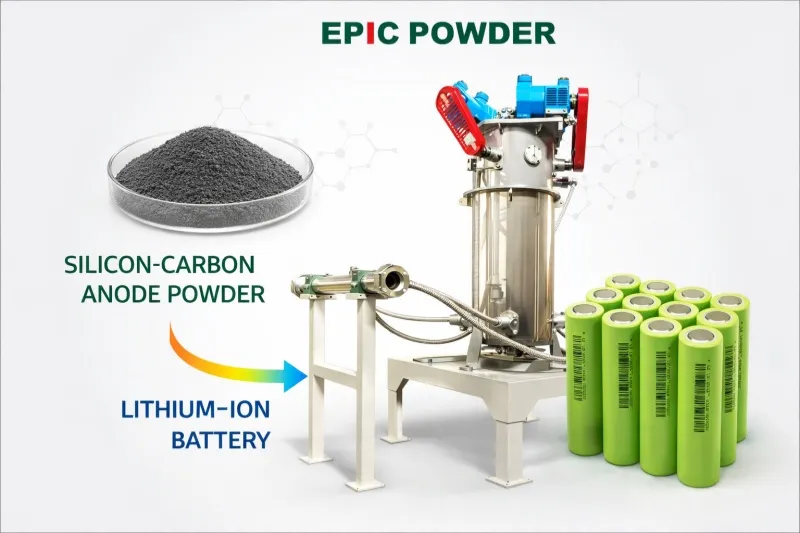
การควบคุมอุณหภูมิสำหรับวัสดุที่ไวต่อความร้อน
ความร้อนที่เกิดขึ้นระหว่างกระบวนการผลิตอาจทำให้วัสดุคอมโพสิตที่ซับซ้อนของขั้วบวกเสื่อมสภาพได้ กระบวนการบดด้วยเจ็ทของเรานั้นมีอุณหภูมิต่ำโดยธรรมชาติ เมื่ออากาศอัดขยายตัวผ่านหัวฉีด มันจะดูดซับความร้อน ทำให้ลดอุณหภูมิภายในห้องบดได้อย่างมีประสิทธิภาพ ซึ่งช่วยให้วัสดุที่ไวต่อความร้อนได้รับการบดละเอียดเป็นพิเศษสำหรับขั้วบวกโดยไม่เสี่ยงต่อการเกิดออกซิเดชันหรือความเสียหายจากความร้อน.
การเคลือบเซรามิกเพื่อป้องกันการปนเปื้อนของธาตุเหล็ก
สำหรับแบตเตอรี่ลิเธียมไอออน การปนเปื้อนของโลหะถือเป็นปัญหาใหญ่ อนุภาคเหล็กสามารถทำให้เกิดการลัดวงจรภายในและสูญเสียความจุอย่างถาวร เพื่อรับประกันความบริสุทธิ์สูงสุด เราจึงออกแบบระบบของเราด้วย ระบบบดแบบเคลือบเซรามิก (ปราศจากเหล็ก) การป้องกัน.
- การปกป้องอย่างเต็มรูปแบบ: ชิ้นส่วนที่สัมผัสทั้งหมดบุด้วยเซรามิกทางวิศวกรรมเพื่อแยกวัสดุออกจากโลหะ.
- ความบริสุทธิ์สูง: การจัดเตรียมแบบนี้ช่วยให้มั่นใจได้ว่าผงที่ได้จะปราศจากสิ่งเจือปนที่เป็นโลหะ ซึ่งตรงตามมาตรฐานที่เข้มงวดสำหรับ วัสดุขั้วลบของแบตเตอรี่.
ระบบจำแนกประเภทอากาศแบบบูรณาการสำหรับการควบคุม PSD
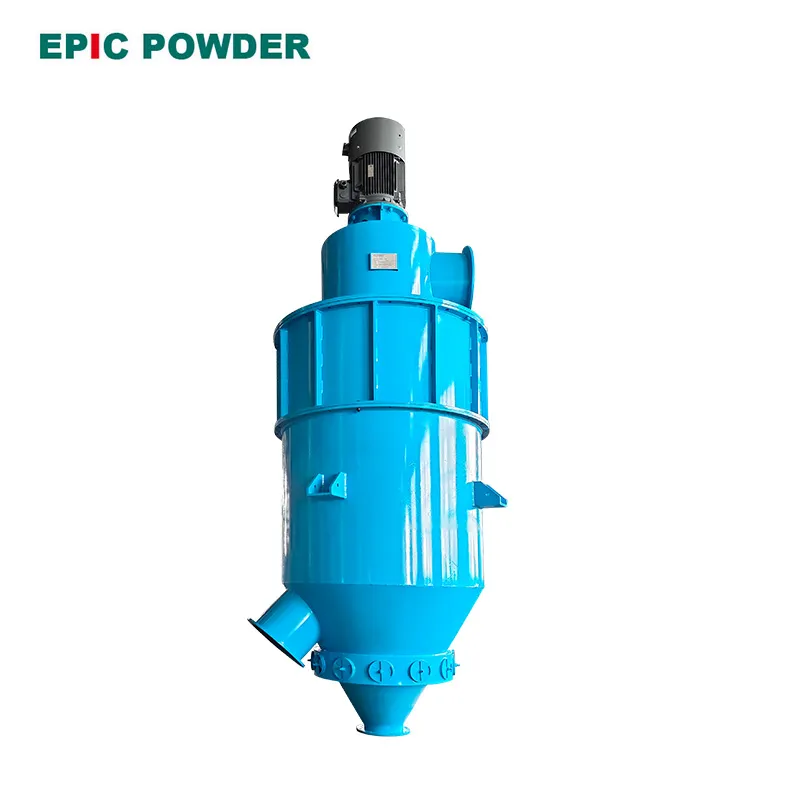
ที่ EPIC Powder เราทราบดีว่าการบดวัสดุให้ละเอียดเพียงอย่างเดียวไม่เพียงพอสำหรับการผลิตแบตเตอรี่ประสิทธิภาพสูง ความท้าทายที่แท้จริงอยู่ที่... การควบคุมการกระจายขนาดอนุภาค (PSD). หากการกระจายตัวกว้างเกินไป ความจุของขั้วบวกจะลดลง นั่นคือเหตุผลที่ระบบของเราให้ความสำคัญกับการจำแนกประเภทอากาศแบบบูรณาการเพื่อควบคุมปริมาณผงที่ได้ขั้นสุดท้ายอย่างเข้มงวด ไม่ว่าคุณจะใช้ชุดการบดแบบมาตรฐานหรือแบบพิเศษก็ตาม โรงสีลูกกลิ้ง, ตัวจำแนกประเภทคือสิ่งที่แยกวัสดุที่ใช้ทำแบตเตอรี่ออกจากวัสดุอื่นๆ.
ขจัดปัญหาเรื่อง "ค่าปรับ"“
“อนุภาคละเอียด (อนุภาคขนาดเล็กมาก) เป็นปัญหาสำคัญในการบดละเอียดพิเศษของขั้วบวก อนุภาคเหล่านี้สร้างพื้นที่ผิวจำเพาะมากเกินไป ซึ่งนำไปสู่ปฏิกิริยาข้างเคียงที่ไม่พึงประสงค์และการก่อตัวของชั้นเชื่อมต่ออิเล็กโทรไลต์แข็ง (SEI) ที่ไม่เสถียร.
- การแยกที่แม่นยำ: ของเรา ระบบแยกอากาศ (เช่นเดียวกับซีรีส์ MJW) ช่วยตัดส่วนปลายที่ละเอียดของกราฟการกระจายตัวได้อย่างมีประสิทธิภาพ.
- ลดปริมาณขยะ: ด้วยการกำจัดอนุภาคขนาดเล็กกว่าไมครอนเหล่านี้ เราจึงลดการสูญเสียความจุที่ไม่สามารถย้อนกลับได้ในรอบแรก.
- ประสิทธิภาพ: เราตรวจสอบให้แน่ใจว่าเฉพาะอนุภาคที่มีขนาดอยู่ในช่วงที่เหมาะสมที่สุดเท่านั้นที่จะไปถึงเครื่องเก็บรวบรวมผลิตภัณฑ์ขั้นสุดท้าย.
การสร้างเส้นโค้ง PSD ที่มีความชันสูง
เพื่อให้ได้ความหนาแน่นของพลังงานสูงสุด คุณต้องมีเส้นโค้ง PSD ที่ "ชัน" ซึ่งหมายความว่าความแตกต่างระหว่างพารามิเตอร์อนุภาค D50 และ D97 จะลดลงเหลือน้อยที่สุด ส่งผลให้ขนาดอนุภาคสม่ำเสมอ.
- ความหนาแน่นของการเคาะสูง: การกระจายตัวที่แคบช่วยให้อนุภาคเรียงตัวกันแน่นขึ้น ส่งผลให้ความหนาแน่นของพลังงานต่อปริมาตรของขั้วบวกเพิ่มขึ้น.
- ความสม่ำเสมอ: เครื่องคัดแยกของเราใช้การออกแบบโรเตอร์ขั้นสูงเพื่อรักษาเส้นโค้งที่ชันนี้ให้คงที่ตลอดการผลิตอย่างต่อเนื่อง.
การทำให้มั่นใจว่าการเคลือบอิเล็กโทรดมีความสม่ำเสมอ
ประโยชน์ที่เห็นได้ชัดเจนจากการควบคุมการกระจายขนาดอนุภาคอย่างเข้มงวดนั้นเห็นได้ชัดเจนในกระบวนการผลิตอิเล็กโทรด ผงที่มีความสม่ำเสมอจะทำให้ได้สารละลายที่เรียบเนียนและปราศจากข้อบกพร่อง.
- การไหลเวียนที่ดีขึ้น: อนุภาคที่มีขนาดสม่ำเสมอจะกระจายตัวได้ดีกว่าในสารยึดเกาะ ช่วยป้องกันการจับตัวเป็นก้อน.
- เรียบลื่นขึ้น การเคลือบ: ส่งผลให้การเคลือบอิเล็กโทรดมีความสม่ำเสมอ ทำให้มั่นใจได้ว่าลิเธียมไอออนสามารถเข้าถึงวัสดุออกฤทธิ์ได้อย่างสม่ำเสมอทั่วทั้งพื้นผิวฟอยล์.
- การประกันคุณภาพ: ด้วยการควบคุมขนาดในขั้นตอนการโม่ เราจึงป้องกันปัญหาต่างๆ เช่น ฟอยล์ฉีกขาด หรือการอบแห้งที่ไม่สม่ำเสมอในขั้นตอนการผลิตต่อมาได้.
เทคนิคการปรับเปลี่ยนพื้นผิวและการสร้างทรงกลม
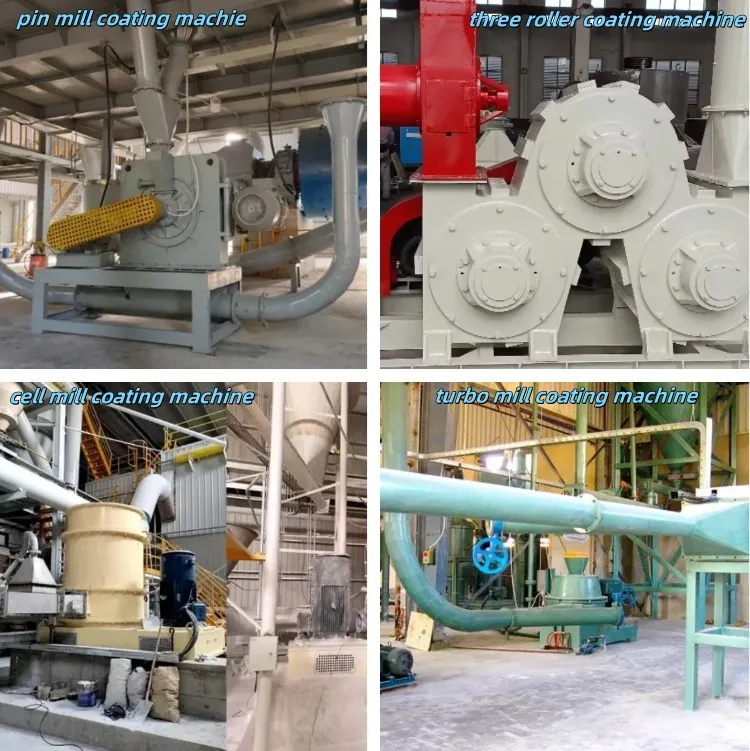
ที่ EPIC Powder เราเข้าใจว่าการบรรลุความหนาแน่นพลังงานสูงนั้นไม่ใช่แค่การลดขนาดอนุภาคเท่านั้น เพื่อเพิ่มประสิทธิภาพของแบตเตอรี่อย่างแท้จริง เราต้องควบคุมรูปร่างของอนุภาคและเคมีพื้นผิว โซลูชันการประมวลผลขั้นสูงของเรามุ่งเน้นไปที่การทำให้ขั้วบวกมีรูปร่างทรงกลม เปลี่ยนอนุภาคที่ไม่สม่ำเสมอและเป็นแผ่นให้กลายเป็นรูปทรงกลมเรียบ การเปลี่ยนแปลงรูปร่างนี้ช่วยเพิ่มความหนาแน่นในการอัดขึ้นรูปอย่างมีนัยสำคัญ ทำให้สามารถบรรจุวัสดุที่ใช้งานได้มากขึ้นในปริมาตรของเซลล์แบตเตอรี่.
การใช้กลไกการหลอมรวมเพื่อลบคมขอบกราไฟต์
ขอบคมบนอนุภาคกราไฟต์อาจสร้างความเสียหายให้กับตัวแยกและนำไปสู่การก่อตัวของชั้นเชื่อมต่ออิเล็กโทรไลต์แข็ง (SEI) ที่ไม่สม่ำเสมอ เราใช้วิธีการดัดแปลงพื้นผิวเชิงกลเคมีเพื่อทำให้ขอบเหล่านี้โค้งมนโดยไม่ทำลายโครงสร้างภายในของอนุภาค ด้วยการใช้แรงเฉือนและแรงอัดที่แม่นยำ อุปกรณ์ของเราจะทำให้พื้นผิวของอนุภาคเรียบขึ้น กระบวนการนี้ช่วยลดพื้นที่ผิวจำเพาะ (BET) ให้อยู่ในระดับที่เหมาะสม ลดการสูญเสียความจุที่ไม่สามารถย้อนกลับได้ในระหว่างรอบแรก และรับประกันความเสถียรของ SEI ที่ดีขึ้น.
การเจียรและการเคลือบด้วยคาร์บอนแบบขั้นตอนเดียว
ประสิทธิภาพเป็นสิ่งสำคัญอย่างยิ่งในการผลิตแบตเตอรี่สมัยใหม่ เราออกแบบระบบแบบบูรณาการที่ผสมผสานการลดขนาดเข้ากับการปรับปรุงพื้นผิว ทีมงานผู้เชี่ยวชาญของเรามีความเชี่ยวชาญเฉพาะด้าน เครื่องดัดแปลงการเคลือบผง กระบวนการนี้ช่วยให้สามารถบดและเคลือบผิวได้พร้อมกัน การผสานรวมนี้ทำให้มั่นใจได้ว่าชั้นคาร์บอนที่สม่ำเสมอจะถูกนำไปใช้กับวัสดุแอโนดทันทีที่สร้างพื้นผิวใหม่ วิธีการ "ขั้นตอนเดียว" นี้ช่วยป้องกันการเกิดออกซิเดชันของพื้นผิวที่เปิดเผยใหม่และสร้างเครือข่ายนำไฟฟ้าที่เป็นเนื้อเดียวกัน ซึ่งมีความสำคัญอย่างยิ่งต่อประสิทธิภาพการทำงานที่อัตราสูง.
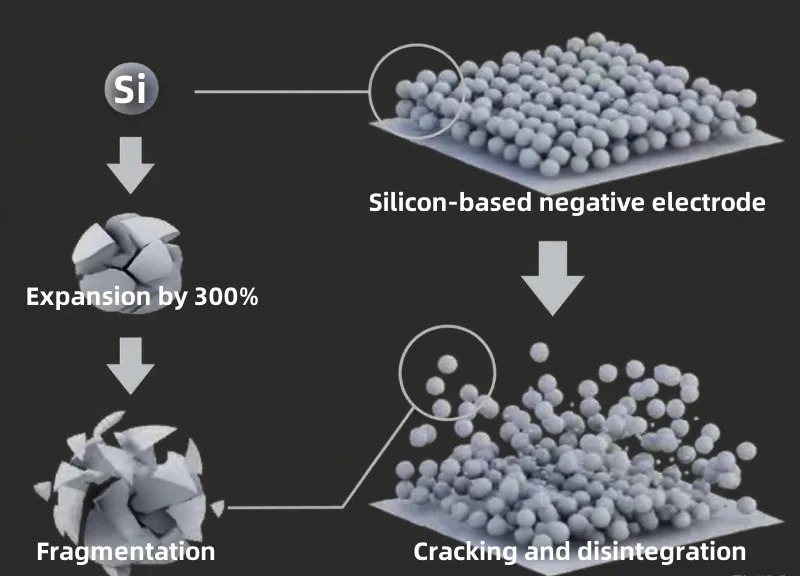
การขยายตัวของปริมาตรบัฟเฟอร์ในขั้วบวกซิลิคอน
สำหรับวัสดุแอโนดซิลิคอน-คาร์บอน (Si/C) รุ่นใหม่ ความท้าทายที่สำคัญที่สุดคือการควบคุมการขยายตัวของปริมาตร ซิลิคอนจะขยายตัวอย่างมากในระหว่างกระบวนการลิเธียมไอออน ทำให้เกิดการแตกร้าวและการแตกละเอียด เทคโนโลยีการปรับปรุงพื้นผิวของเราช่วยให้สามารถสร้างชั้นบัฟเฟอร์ที่แข็งแรงรอบอนุภาคซิลิคอนได้ โดยการเคลือบด้วยคาร์บอนอย่างแม่นยำหรือโครงสร้างคอมโพสิตในระหว่างขั้นตอนการบด เราช่วยควบคุมการขยายตัวนี้ ชั้นป้องกันนี้ช่วยรักษาการสัมผัสทางไฟฟ้าและความสมบูรณ์ทางกล ทำให้ยืดอายุการใช้งานของแอโนดซิลิคอนที่มีความจุสูงได้.
กรณีศึกษา: การเพิ่มประสิทธิภาพขั้วแอโนดซิลิคอน-คาร์บอน (Si/C)
การผลิตวัสดุแอโนดซิลิคอน-คาร์บอน (Si/C) นั้นมีความท้าทายเฉพาะตัว เนื่องจากวัสดุมีแนวโน้มที่จะขยายตัวและแตกร้าวระหว่างการใช้งานแบตเตอรี่ เราได้พัฒนาสายการผลิตเฉพาะทางที่แก้ไขปัญหาความเสถียรเหล่านี้โดยตรง เพื่อให้มั่นใจว่าความจุตามทฤษฎีที่สูงจะสามารถ转化为ประสิทธิภาพการใช้งานจริงได้.
การแก้ไขปัญหาการแตกร้าวของซิลิคอน
หัวใจสำคัญของการรักษาเสถียรภาพของขั้วบวกซิลิคอนอยู่ที่การลดความเครียดทางกลในระหว่างขั้นตอนการบด แตกต่างจากเครื่องบดเชิงกลแบบดั้งเดิมที่อาจทำให้เกิดรอยแตกขนาดเล็ก เครื่องบดเจ็ทแบบฟลูอิดไดซ์เบดของเราใช้การชนกันของอนุภาค วิธีนี้ช่วยรักษาความสมบูรณ์ของโครงสร้างของวัสดุผสมในขณะที่ได้ความละเอียดที่ต้องการ เมื่อเร็วๆ นี้ เทคโนโลยีเจ็ทมิลทำให้สามารถผลิตวัสดุคาร์บอนแข็งละเอียดพิเศษเป็นขั้วบวกได้ เพื่อให้เป็นไปตามมาตรฐานที่เข้มงวดของผู้ผลิตแบตเตอรี่ชั้นนำในเกาหลี ซึ่งแสดงให้เห็นถึงความสามารถของเราในการจัดการโครงสร้างขั้วบวกที่ละเอียดอ่อนโดยไม่ทำให้เกิดความเสียหาย.
การลดขนาดให้เป็นระดับต่ำกว่าไมครอน (<150 นาโนเมตร)
เพื่อรองรับการขยายตัวของปริมาตร การลดขนาดอนุภาคจึงเป็นสิ่งที่หลีกเลี่ยงไม่ได้ อุปกรณ์ของเราได้รับการออกแบบมาเพื่อการลดขนาดอนุภาคให้เหลือระดับต่ำกว่าไมครอน (<150 นาโนเมตร) ซึ่งเป็นเกณฑ์สำคัญสำหรับขั้วบวกยุคใหม่.
- การควบคุมที่แม่นยำ: เราสามารถสร้างการกระจายขนาดอนุภาค (PSD) ที่มีความชันสูง ซึ่งช่วยกำจัดอนุภาคขนาดใหญ่เกินไปที่ทำให้เกิดการบวมของอิเล็กโทรด.
- ความสม่ำเสมอ: ขนาดอนุภาคระดับซับไมครอนที่สม่ำเสมอช่วยให้กระจายตัวได้ดียิ่งขึ้นภายในเมทริกซ์นำไฟฟ้า.
การป้องกันด้วยก๊าซเฉื่อยเพื่อความปลอดภัย
ฝุ่นซิลิคอนมีปฏิกิริยาสูงและก่อให้เกิดความเสี่ยงต่อการระเบิดอย่างมาก เราจึงให้ความสำคัญกับความปลอดภัยโดยการผสานระบบบดด้วยก๊าซเฉื่อย (Inert Gas Protection Milling systems) เข้ากับสายการบดละเอียดพิเศษของขั้วบวก (Anode Ultrafine Grinding lines) ของเรา โดยการหมุนเวียนไนโตรเจนภายในระบบวงปิด เราจึงควบคุมระดับออกซิเจนได้อย่างเข้มงวด ซึ่งจะป้องกันการออกซิเดชันของพื้นผิวซิลิคอนใหม่และขจัดอันตรายจากการระเบิด ทำให้มั่นใจได้ถึงสภาพแวดล้อมการผลิตที่ปลอดภัยและเสถียรสำหรับวัสดุที่มีความหนาแน่นพลังงานสูง.
คำถามที่พบบ่อย: การบดละเอียดพิเศษของขั้วบวกและกำลังการผลิต
วิธีการบดมีผลต่อประสิทธิภาพคูลอมบิกเริ่มต้นหรือไม่?
แน่นอน วิธีที่คุณเลือกใช้สำหรับการบดละเอียดพิเศษของขั้วบวกส่งผลโดยตรงต่อพื้นที่ผิวของอนุภาค หากกระบวนการบดทำให้เกิด "อนุภาคละเอียด" มากเกินไป (อนุภาคขนาดเล็กมาก) จะทำให้พื้นที่ผิวจำเพาะ (BET) เพิ่มขึ้นอย่างมาก.
ในรอบการใช้งานแบตเตอรี่ครั้งแรก พื้นผิวที่มีพื้นที่สูงจะใช้ไอออนลิเธียมมากขึ้นในการสร้างชั้น Solid Electrolyte Interphase (SEI) ส่งผลให้สูญเสียความจุอย่างถาวร หมายความว่าคุณจะสูญเสียความจุตั้งแต่แบตเตอรี่ออกจากโรงงานเสียด้วยซ้ำ การปรับปรุงการกระจายขนาดอนุภาค (PSD) และการกำจัดอนุภาคขนาดเล็ก จะช่วยให้คุณรักษาประสิทธิภาพสูงไว้ได้.
การกัดด้วยเจ็ทเทียบกับการกัดเชิงกลสำหรับขั้วบวก
การเลือกใช้ระหว่างสองตัวเลือกนี้ขึ้นอยู่กับเป้าหมายด้านความบริสุทธิ์และความหนาแน่นของคุณ.
- โรงสีฟลูอิไดซ์เบดเจ็ทมิลล์: นี่คือตัวเลือกที่ดีที่สุดสำหรับวัสดุที่มีความบริสุทธิ์สูง เช่น ซิลิคอน-คาร์บอน (Si/C) แอโนด เนื่องจากอาศัยการชนกันของอนุภาคแทนการใช้สารบด จึงไม่มีความเสี่ยงต่อการปนเปื้อนของเหล็กเลย และให้กราฟการกระจายขนาดอนุภาค (PSD) ที่ชัน ซึ่งเหมาะอย่างยิ่งสำหรับการใช้งานระดับสูง.
- การกัดเชิงกล: วิธีนี้มักประหยัดพลังงานมากกว่าสำหรับการแปรรูปกราไฟต์แบบมาตรฐาน อย่างไรก็ตาม จำเป็นต้องมีการระบายความร้อนอย่างระมัดระวังและใช้วัสดุบุรองเซรามิกเพื่อป้องกันการปนเปื้อน.
สำหรับงานขั้นสูงที่ต้องการการขึ้นรูปที่แม่นยำ เรามักจะผสานรวมเทคโนโลยีต่างๆ เข้าด้วยกัน การปรับเปลี่ยนพื้นผิวผง เทคโนโลยีในการทำให้อนุภาคมีรูปร่างทรงกลมหลังจากบด เพื่อปรับปรุงความหนาแน่นของการอัดขึ้นรูป.
วิธีรับมือกับฝุ่นซิลิคอนที่อาจระเบิดได้ระหว่างกระบวนการผลิต?
การผลิตขั้วบวกที่ทำจากซิลิคอนเป็นกระบวนการที่ท้าทายด้านความปลอดภัยอย่างมาก เนื่องจากฝุ่นที่เกิดขึ้นนั้นไวไฟสูง และไม่สามารถผลิตได้ในโรงงานแบบเปิดโล่งทั่วไป.
เราใช้ระบบการบดด้วยก๊าซเฉื่อยสำหรับวัสดุเหล่านี้ ระบบนี้ใช้การออกแบบแบบวงปิดที่บรรจุด้วยไนโตรเจนหรืออาร์กอนเพื่อรักษาระดับออกซิเจนให้ต่ำมาก ซึ่งจะป้องกันทั้งการเกิดออกซิเดชันของวัสดุและการระเบิดของฝุ่น หากคุณกำลังวางแผนสร้างโรงงานสำหรับวัสดุแบตเตอรี่รุ่นใหม่ คุณสามารถตรวจสอบข้อมูลของเราได้ ตัวอย่างโครงการที่ประสบความสำเร็จ เพื่อดูว่าเราออกแบบระบบป้องกันการระเบิดเหล่านี้สำหรับลูกค้าทั่วโลกได้อย่างไร.
ขอบคุณที่อ่านนะคะ หวังว่าบทความของฉันจะเป็นประโยชน์นะคะ แสดงความคิดเห็นไว้ด้านล่างได้เลยค่ะ หรือหากมีข้อสงสัยเพิ่มเติม สามารถติดต่อตัวแทนฝ่ายบริการลูกค้าออนไลน์ของ Zelda ได้ค่ะ
— โพสต์โดย เอมิลี่ เฉิน