
การแนะนำ
ใยอาหาร มักถูกเรียกว่าสารอาหารลำดับที่เจ็ดและเป็นตัวกำจัดของเสียในลำไส้ ประกอบด้วยสารต่างๆ ที่ได้จากพืช ได้แก่ เซลลูโลส เฮมิเซลลูโลส เพคติน อินูลิน ลิกนิน รวมถึงซาโปนิน แว็กซ์ คิวติน และโปรตีนที่ทนต่อการย่อย ส่วนประกอบเหล่านี้แบ่งออกเป็นสองประเภทหลัก คือ ใยอาหารที่ละลายน้ำได้ (SDF) และใยอาหารที่ไม่ละลายน้ำ (IDF) ในฐานะที่เป็นส่วนประกอบสำคัญอย่างหนึ่งในอาหาร ใยอาหารมีบทบาทสำคัญต่อสุขภาพของมนุษย์ ช่วยส่งเสริมสุขภาพระบบย่อยอาหารและควบคุมระดับน้ำตาลในเลือดและคอเลสเตอรอล.
หน่อไม้ ซึ่งเป็นยอดอ่อนของต้นไผ่ (Bambusoideae) อุดมไปด้วยใยอาหารอย่างมาก หน่อไม้ 100 กรัม มีใยอาหารหยาบ 0.58 กรัม ในขณะที่มีแป้ง น้ำตาล และไขมันต่ำ และยังอร่อยสำหรับผู้ทานมังสวิรัติอีกด้วย ใยอาหารจากหน่อไม้ (BSDF) ประกอบด้วยเซลลูโลส เฮมิเซลลูโลส ลิกนิน และพอลิแซ็กคาไรด์เป็นหลัก สิ่งที่ทำให้ BSDF แตกต่างจากแหล่งใยอาหารอื่นๆ คือ ความสามารถในการอุ้มน้ำและน้ำมันที่เหนือกว่า ทำให้เป็นวัสดุที่มีศักยภาพสูงสำหรับการใช้งานในอุตสาหกรรมอาหาร.
อย่างไรก็ตาม ใยอาหารจากหน่อไม้พื้นเมืองส่วนใหญ่เป็นใยอาหารที่ไม่ละลายน้ำ ซึ่งจำกัดประสิทธิภาพในการใช้งานในระบบอาหาร นี่คือจุดที่... การปรับเปลี่ยน กลายเป็นสิ่งจำเป็น — และที่ไหน เทคโนโลยีการบดละเอียดพิเศษ ปรากฏออกมาในฐานะโซลูชันที่พลิกโฉมวงการ.
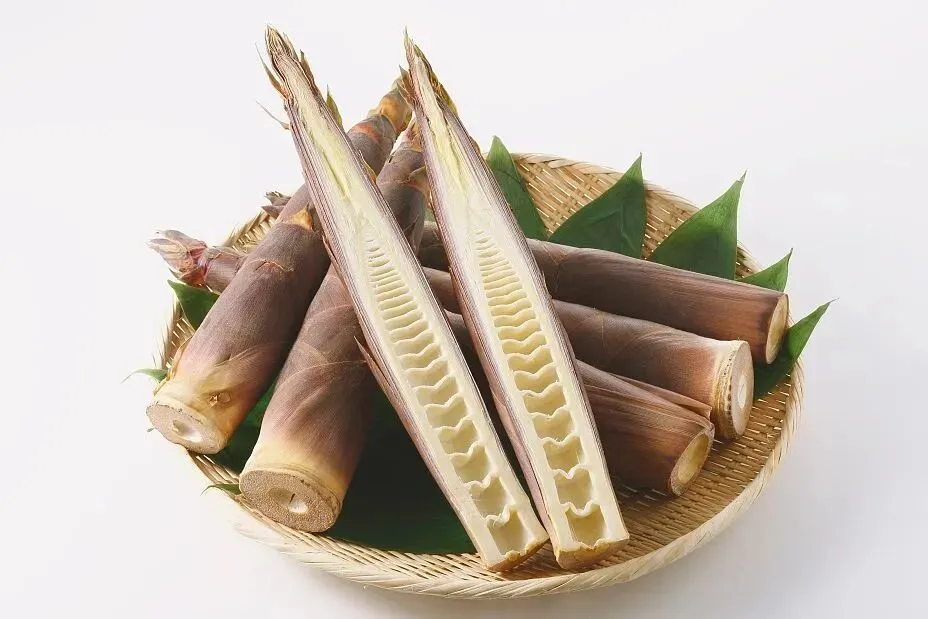
การปรับเปลี่ยนปริมาณใยอาหารในหน่อไม้: วิธีการและกลไก
การปรับปรุงคุณสมบัติของใยอาหารจากหน่อไม้เกี่ยวข้องกับการทำลายพันธะโมเลกุลขนาดใหญ่ภายในโครงสร้างเส้นใย การเปลี่ยนส่วนที่ไม่ละลายน้ำให้เป็นใยอาหารที่ละลายน้ำได้ และการปรับปรุงคุณสมบัติเชิงฟังก์ชันที่สำคัญอย่างมีนัยสำคัญ เช่น ความสามารถในการกักเก็บน้ำ ความสามารถในการดูดซับน้ำ และความสามารถในการพองตัว การปรับปรุงเหล่านี้ส่งผลโดยตรงต่อประสิทธิภาพการใช้ประโยชน์ของใยอาหารจากหน่อไม้ในกระบวนการแปรรูปอาหารที่สูงขึ้น.
โดยทั่วไปแล้ว วิธีการดัดแปลงสามารถแบ่งออกได้เป็น 4 ประเภท: การดัดแปลงทางเคมี, การดัดแปลงทางชีวภาพ, การปรับเปลี่ยนการเสื่อมสภาพทางกายภาพและเชิงกล, และ การดัดแปลงแบบผสมผสาน. ในบรรดาแนวทางเหล่านี้ แนวทางการดัดแปลงแบบผสมผสานถือเป็นแนวทางที่มีการวิจัยอย่างแข็งขันที่สุดและมีแนวโน้มที่ดีที่สุดสำหรับการพัฒนาในอนาคต.
การดัดแปลงทางเคมี
การดัดแปลงทางเคมี หรือที่เรียกว่าการดัดแปลงโครงสร้างทางเคมี ใช้ประโยชน์จากหมู่ไฮดรอกซิลและหมู่ฟังก์ชันที่ทำปฏิกิริยาได้อื่นๆ ที่มีอยู่มากมายในสายโซ่หลักและสายโซ่ข้างของเส้นใยอาหารจากหน่อไม้ โดยการบำบัดด้วยกรดหรือด่าง สารประกอบโมเลกุลขนาดใหญ่ในเส้นใยจะเกิดการแตกตัวของพันธะและการสลายตัวของพอลิเมอร์ ตามด้วยการรวมตัวใหม่กับหมู่ฟังก์ชันจากกรดหรือด่างเพื่อสร้างพอลิเมอร์ใหม่ เทคนิคการดัดแปลงทางเคมีที่ใช้กันทั่วไป ได้แก่ การเติมหมู่เมทิล การเติมหมู่คาร์บอกซีเมทิล การเติมหมู่แอซิติล การเติมหมู่ซัลเฟต และการย่อยสลายบางส่วน.
งานวิจัยแสดงให้เห็นว่าใยอาหารจากหน่อไม้ที่ผ่านการดัดแปลงทางเคมีมีรอยแตกและร่องปรากฏให้เห็นบนพื้นผิว พร้อมทั้งมีผลึกและระดับการเกิดพอลิเมอร์ลดลง ส่งผลให้มีคุณสมบัติในการดูดซับน้ำ กักเก็บน้ำ และจับน้ำได้ดีขึ้น อย่างไรก็ตาม แม้ว่าการดัดแปลงทางเคมีจะช่วยเพิ่มปริมาณใยอาหารที่ละลายน้ำได้อย่างมีนัยสำคัญ แต่สารเคมีอาจรบกวนโครงสร้างโมเลกุลและลดกิจกรรมทางสรีรวิทยาของใยอาหารได้เช่นกัน.
การดัดแปลงทางชีวภาพ
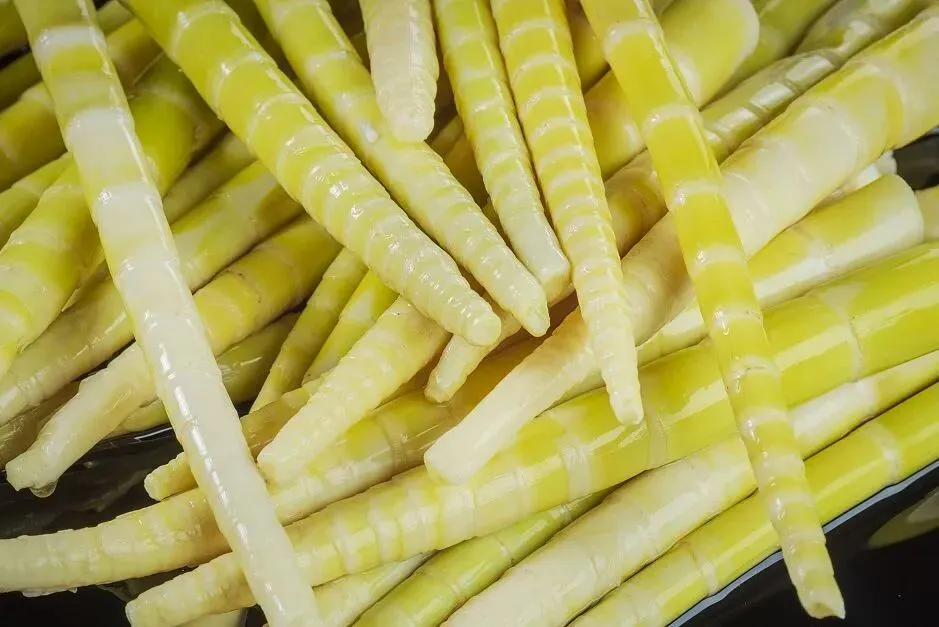
การดัดแปลงทางชีวภาพครอบคลุมถึง การดัดแปลงเอนไซม์ และ การปรับเปลี่ยนการหมัก.
โดยทั่วไปแล้ว การปรับเปลี่ยนโครงสร้างด้วยเอนไซม์จะใช้เซลลูเลส ไซลาเนส และอะไมเลส เพื่อย่อยสลายส่วนประกอบที่ไม่ละลายน้ำในเส้นใยอาหารของหน่อไม้ ทำให้เกิดโครงสร้างที่หลวมขึ้นและมีพื้นที่ผิวจำเพาะเพิ่มขึ้น กระบวนการนี้จะเปลี่ยนเส้นใยอาหารที่ไม่ละลายน้ำบางส่วนให้เป็นเส้นใยอาหารที่ละลายน้ำได้ ซึ่งช่วยปรับปรุงคุณสมบัติทางกายภาพ การศึกษาต่างๆ แสดงให้เห็นว่าการปรับเปลี่ยนโครงสร้างด้วยเอนไซม์ช่วยเพิ่มปริมาตรของรูพรุน พื้นที่ผิวจำเพาะ และปริมาณฟีนอลอิสระ จึงช่วยเพิ่มความสามารถในการต้านอนุมูลอิสระ ที่สำคัญ เส้นใยหน่อไม้ที่ผ่านการปรับเปลี่ยนโครงสร้างด้วยเอนไซม์มีคุณสมบัติที่โดดเด่น ในหลอดทดลอง กระบวนการหมักแสดงให้เห็นว่ามีกรดอะซิติก กรดโพรพิโอนิก และกรดบิวทิริกในปริมาณที่เพิ่มขึ้น ซึ่งบ่งชี้ว่าใยอาหารจากหน่อไม้ที่ผ่านการดัดแปลงมีผลดีต่อสุขภาพลำไส้มากขึ้น.
การปรับปรุงคุณภาพด้วยการหมักใช้ประโยชน์จากสารเมตาบอไลต์ของกรดอินทรีย์ที่เกิดจากการหมักของจุลินทรีย์เป็นเวลานาน เพื่อสร้างสภาพแวดล้อมที่เป็นกรด โปรตอนที่เกิดขึ้นภายใต้สภาวะที่เป็นกรดจะทำลายพันธะไกลโคไซด์ของเซลลูโลสในหน่อไม้ ทำให้พอลิเมอร์โมเลกุลขนาดใหญ่แตกตัวเป็นสารประกอบขนาดเล็ก และเพิ่มปริมาณใยอาหารที่ละลายน้ำได้ นอกจากจะช่วยเพิ่มประสิทธิภาพการทำงานแล้ว การหมักยังทิ้งสารเมตาบอไลต์ที่เป็นประโยชน์ซึ่งช่วยปรับปรุงรสชาติและความน่ารับประทานของผลิตภัณฑ์อีกด้วย.
การปรับเปลี่ยนการเสื่อมสภาพทางกายภาพและเชิงกล
วิธีการย่อยสลายทางกายภาพและเชิงกล ได้แก่ การทำให้เป็นเนื้อเดียวกันด้วยแรงดันสูง การบำบัดด้วยน้ำในสภาวะกึ่งวิกฤต การบำบัดด้วยคลื่นอัลตราโซนิค การบำบัดด้วยไมโครเวฟ การบดละเอียดพิเศษ และการปรุงอาหารด้วยการอัดรีด วิธีการเหล่านี้ทำงานผ่านสนามความร้อน สนามพลังงานเชิงกล และแรงดันสูง เพื่อทำลายพันธะไฮโดรเจนภายในโครงสร้างเส้นใยของใยอาหารหน่อไม้ ทำให้โครงสร้างเครือข่ายที่หนาแน่นเปลี่ยนเป็นโครงสร้างเครือข่ายที่หลวมขึ้น ซึ่งช่วยลดแรงยึดเกาะภายใน ลดขนาดอนุภาค และท้ายที่สุดช่วยเพิ่มความสามารถในการละลาย ความสามารถในการกักเก็บน้ำ และความสามารถในการพองตัว.
ในบรรดาวิธีการประเมินการเสื่อมสภาพเชิงกลทั้งหมด, การบดละเอียดพิเศษถือเป็นเทคโนโลยีที่สำคัญที่สุด. การบดละเอียดส่งผลโดยตรงต่อคุณสมบัติทางกายภาพและเคมีของวัตถุดิบอาหาร เมื่อขนาดอนุภาคเล็ลง ประสิทธิภาพในการดูดซับน้ำจะเพิ่มขึ้น และส่วนประกอบของเส้นใยจะถูกกระจายจากส่วนที่ไม่ละลายน้ำไปยังส่วนที่ละลายน้ำได้ การศึกษาต่างๆ ยืนยันว่าการบดละเอียดมากสามารถลดขนาดอนุภาคของเส้นใยอาหารจากหน่อไม้ได้อย่างมีนัยสำคัญ เพิ่มปริมาณเส้นใยอาหารที่ละลายน้ำได้ และเพิ่มความสามารถในการกักเก็บน้ำ ความสามารถในการกักเก็บน้ำมัน และความสามารถในการพองตัว.
การดัดแปลงไมโครไนซ์
ทั้งคู่ การบดด้วยแรงดันสูง และ การกัดด้วยเครื่องพ่นอากาศ จัดอยู่ในหมวดหมู่ของการปรับปรุงขนาดอนุภาค งานวิจัยแสดงให้เห็นว่าขนาดอนุภาคมีผลกระทบอย่างมากต่อความสามารถในการดูดซับกรดน้ำดี — เส้นใยอาหารจากหน่อไม้ที่ได้รับการปรับปรุงขนาดอนุภาค การกัดด้วยเครื่องพ่นอากาศ แสดงให้เห็นถึงความสามารถในการดูดซับกรดน้ำดี สูงกว่า 12 เท่า ดีกว่าการบดแบบทั่วไป นอกจากนี้ การลดขนาดอนุภาคยังทำให้กลุ่มไฮโดรฟิลิกภายในที่เคยถูกห่อหุ้มอยู่ภายในโครงสร้างเส้นใยปรากฏออกมา เปลี่ยนแปลงปริมาณสัมพัทธ์ของส่วนประกอบโมโนแซ็กคาไรด์ และเพิ่มเสถียรภาพทางความร้อนอย่างมีนัยสำคัญ.
การศึกษาการปรับปรุงโครงสร้างด้วยคลื่นอัลตราโซนิคและไมโครเวฟเพิ่มเติมพบว่า การบำบัดด้วยคลื่นอัลตราโซนิคมีประสิทธิภาพเหนือกว่าการบำบัดด้วยไมโครเวฟ เนื่องจากโมเลกุลที่มีขั้ว เช่น เฮมิเซลลูโลสและลิกนินในเส้นใยอาหาร สามารถดูดซับพลังงานอัลตราโซนิค ทำให้เกิดการแตกตัวของพันธะเคมีและการระเหยอย่างรวดเร็วของสารประกอบที่มีโมเลกุลขนาดเล็ก ซึ่งก่อให้เกิดแรงดันที่ส่งเสริมการเกิดรูพรุนขนาดเล็ก ผลที่ได้คือ พื้นที่ผิวจำเพาะเพิ่มขึ้น ส่วนประกอบที่ละลายน้ำได้ดีขึ้น และความสามารถในการกักเก็บน้ำที่ดีขึ้น.
การปรุงอาหารด้วยการอัดรีด (Extrusion cooking) เป็นความก้าวหน้าล่าสุดในการปรับปรุงการย่อยสลายเชิงกล โดยอุณหภูมิและความดันเป็นปัจจัยหลักที่มีอิทธิพลต่อผลลัพธ์ของการปรับปรุง อุณหภูมิสูงช่วยส่งเสริมการย่อยสลายเส้นใยได้อย่างมีประสิทธิภาพ และการปรุงอาหารด้วยการอัดรีดช่วยเพิ่มระดับใยอาหารที่ละลายน้ำได้ในหน่อไม้อย่างมีนัยสำคัญ กลไกพื้นฐานเกี่ยวข้องกับการละลายและการย่อยสลายของสารเพคตินในใยอาหารภายใต้ความร้อนและความชื้นระหว่างการอัดรีด ซึ่งนำไปสู่การลดปริมาณเซลลูโลส ในขณะเดียวกัน การแตกตัวของพันธะไกลโคไซด์ระหว่างการอัดรีดช่วยให้เส้นใยที่ไม่ละลายน้ำละลายได้ง่ายขึ้น.
การดัดแปลงแบบผสมผสาน
โดยทั่วไปแล้ว วิธีการปรับปรุงคุณภาพใยอาหารจากหน่อไม้แบบผสมผสาน มักจะผสานวิธีการทางกายภาพและชีวภาพเข้าด้วยกัน ตัวอย่างเช่น การดัดแปลงเซลลูเลสด้วยการอัดรีด, การดัดแปลงเซลลูเลสด้วยอุณหภูมิสูงและความดันสูง, และ การเฉือนความเร็วสูง-การดัดแปลงด้วยเอนไซม์.
งานวิจัยเกี่ยวกับการดัดแปลงเส้นใยอาหารจากหน่อไม้ฝรั่งใต้ด้วยกระบวนการอัดรีดและการใช้เอนไซม์เซลลูเลส ส่งผลให้ได้ปริมาณเส้นใยอาหารที่ละลายน้ำได้ในระดับที่น่าทึ่ง 22.17%. ปรากฏการณ์นี้เกิดจากการไฮโดรไลซิสของเซลลูโลสและเฮมิเซลลูโลสที่ไม่ละลายน้ำโดยเอนไซม์เซลลูเลสให้กลายเป็นพอลิแซ็กคาไรด์ของผนังเซลล์ที่ละลายน้ำได้ ควบคู่กับการถ่ายโอนหมู่ไกลโคซิลในระหว่างกระบวนการอัดรีด.
การใช้ความร้อนสูงร่วมกับการบำบัดด้วยเอนไซม์เซลลูเลสจะเพิ่มจำนวนอนุภาคใยอาหารของหน่อไม้ ซึ่งจะพองตัวและขยายตัวเมื่อสัมผัสกับน้ำ ทำให้มีปริมาตรมากขึ้น อย่างไรก็ตาม ควรสังเกตว่าการใช้ความร้อนสูง ความดันสูง และการบำบัดด้วยเอนไซม์เซลลูเลสอาจทำลายโครงสร้างของเส้นใยอย่างรุนแรง ส่งผลให้ส่วนประกอบของเส้นใยกระจายตัวใหม่.
การใช้แรงเฉือนความเร็วสูงร่วมกับเอนไซม์ไซลาเนสและเซลลูเลส แสดงให้เห็นว่าสามารถลดขนาดอนุภาคจาก 383.90 ไมโครเมตร เหลือ... 30.65 ไมโครเมตร. เส้นใยหน่อไม้ที่ผ่านการบำบัดแล้วจะมีหมู่ไฮดรอกซิล หมู่เมทิลีน และสารประกอบอะโรมาติกมากขึ้น และการตรวจสอบด้วยกล้องจุลทรรศน์อิเล็กตรอนแบบสแกนเผยให้เห็นโครงสร้างคล้ายรังผึ้ง ซึ่งช่วยลดอัตราการแพร่กระจายของสารละลายกลูโคสได้อย่างมาก ส่งผลให้ความสามารถในการดูดซับกลูโคสเพิ่มขึ้น.
อุปกรณ์บดละเอียดพิเศษสำหรับปรับปรุงคุณภาพใยอาหารของหน่อไม้
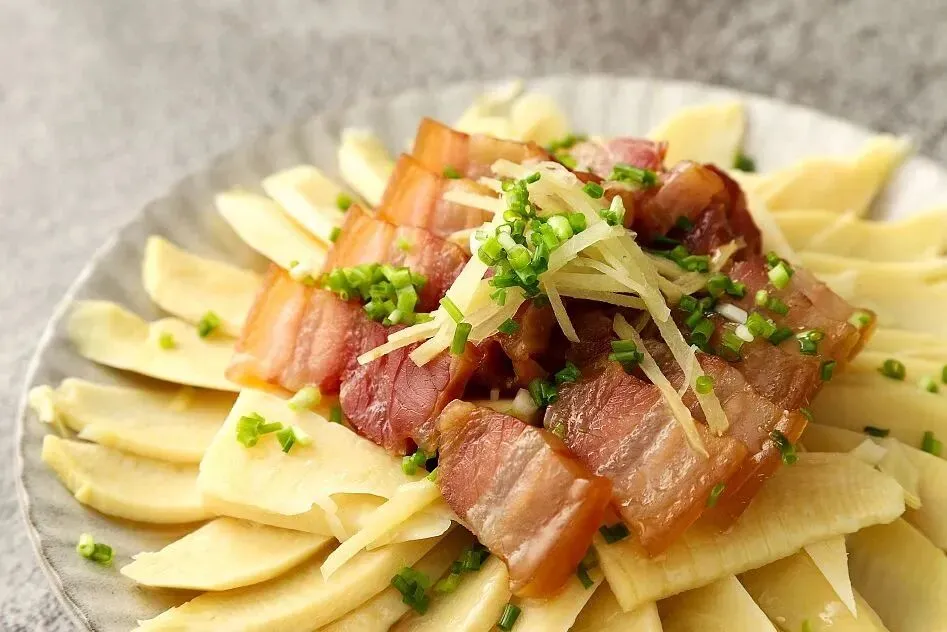
ที่ ผง EPIC, เราพัฒนาเทคโนโลยีการบดละเอียดขั้นสูงที่ออกแบบมาโดยเฉพาะสำหรับการปรับปรุงคุณสมบัติของวัสดุเส้นใย เช่น ใยอาหารจากหน่อไม้ กลุ่มผลิตภัณฑ์อุปกรณ์ของเราตอบโจทย์ความท้าทายเฉพาะของการแปรรูปเส้นใยจากพืช นั่นคือการลดขนาดอนุภาคให้ได้ขนาดที่จำเป็นต่อการดึงคุณสมบัติทางชีวภาพออกมาใช้ ในขณะเดียวกันก็รักษาความสมบูรณ์ของสารออกฤทธิ์ทางชีวภาพของวัสดุไว้.
เครื่องบดแบบแยกขนาดด้วยลม (รุ่น MJW-L)
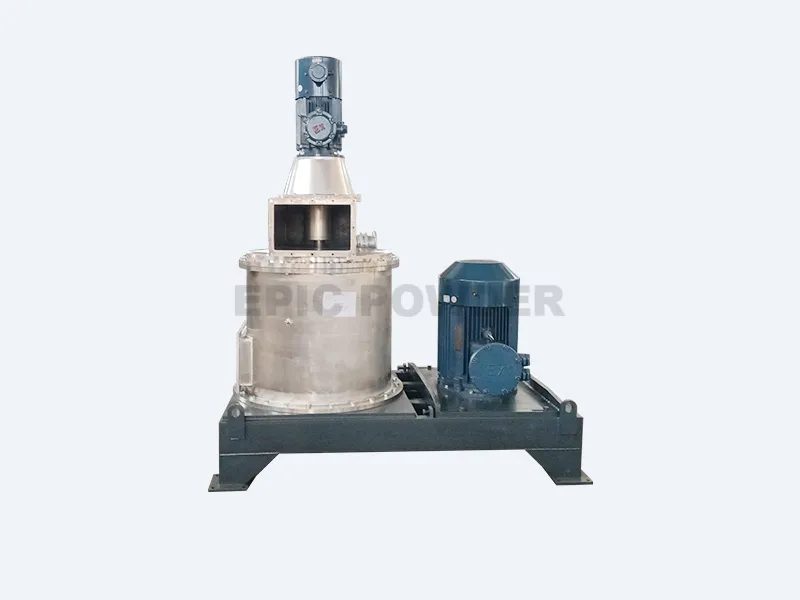
ที่ เครื่องบดแยกอากาศ MJW-L เครื่องบดนี้มีระบบขับเคลื่อนอิสระ ประกอบด้วยจานบดแนวนอนและล้อคัดแยกที่ติดตั้งในแนวตั้ง วัสดุจะถูกป้อนเข้าสู่ห้องบดอย่างสม่ำเสมอ ซึ่งจะได้รับแรงกระแทกอย่างรุนแรงจากจานบดที่หมุนด้วยความเร็วสูง พร้อมทั้งได้รับแรงเหวี่ยงและแรงชนกับเฟืองวงแหวนบด ผลกระทบโดยรวมของแรงกระแทก แรงเฉือน แรงเสียดทาน และแรงชน จะช่วยลดขนาดวัสดุให้เป็นผง จากนั้นวัสดุที่บดแล้วจะเคลื่อนไปยังบริเวณคัดแยกด้วยกระแสลม ซึ่งส่วนหยาบและส่วนละเอียดจะถูกแยกออกจากกันโดยล้อคัดแยกที่ควบคุมด้วยความถี่ ผงละเอียดที่ตรงตามข้อกำหนดด้านความละเอียดจะถูกรวบรวมไว้ในไซโคลนและเครื่องดักฝุ่น ในขณะที่อนุภาคหยาบจะถูกส่งกลับไปยังบริเวณบดเพื่อบดซ้ำอีกครั้ง.
คุณสมบัติหลักที่ทำให้ MJW-L เหมาะสำหรับการปรับปรุงคุณภาพใยอาหารจากหน่อไม้ ได้แก่:
- การออกแบบพื้นที่ภายในและสนามการไหลที่ยืดหยุ่น, ซึ่งมีขอบเขตการใช้งานที่กว้างกว่าโรงสีแยกอากาศแบบดั้งเดิม
- ตัวเลือกวงล้อจำแนกประเภทหลายแบบ เหมาะสำหรับผลิตภัณฑ์ผงที่มีคุณสมบัติแตกต่างกัน
- การออกแบบที่อุณหภูมิต่ำ เพื่อการบดวัสดุที่ไวต่อความร้อนอย่างมีประสิทธิภาพ ซึ่งมีความสำคัญอย่างยิ่งต่อการรักษาสารออกฤทธิ์ทางชีวภาพของใยอาหาร
- การออกแบบสำหรับอุณหภูมิสูง เพื่อการอบแห้ง การบด และการกระจายวัสดุที่มีความชื้นสูงอย่างมีประสิทธิภาพ
- การออกแบบระบบวงปิดด้วยก๊าซเฉื่อย และโครงสร้างที่ทนต่อแรงกระแทกเพื่อใช้ในการแปรรูปวัสดุที่ติดไฟได้เมื่อจำเป็น
เครื่องบดอนุภาคซีรีส์ MJW-L มีรุ่นให้เลือกตั้งแต่ 300 ถึง 2000 รุ่น และกำลังมอเตอร์ตั้งแต่ 7.5 กิโลวัตต์ ถึง 355 กิโลวัตต์ ให้ความละเอียดของอนุภาคตั้งแต่ 5–300 ไมโครเมตร และกำลังการผลิตตั้งแต่ 2 กิโลกรัม/ชั่วโมง ถึง 75,000 กิโลกรัม/ชั่วโมง รองรับขนาดการผลิตที่หลากหลาย.
โรงสีฟลูอิไดซ์เบดเจ็ทมิลล์
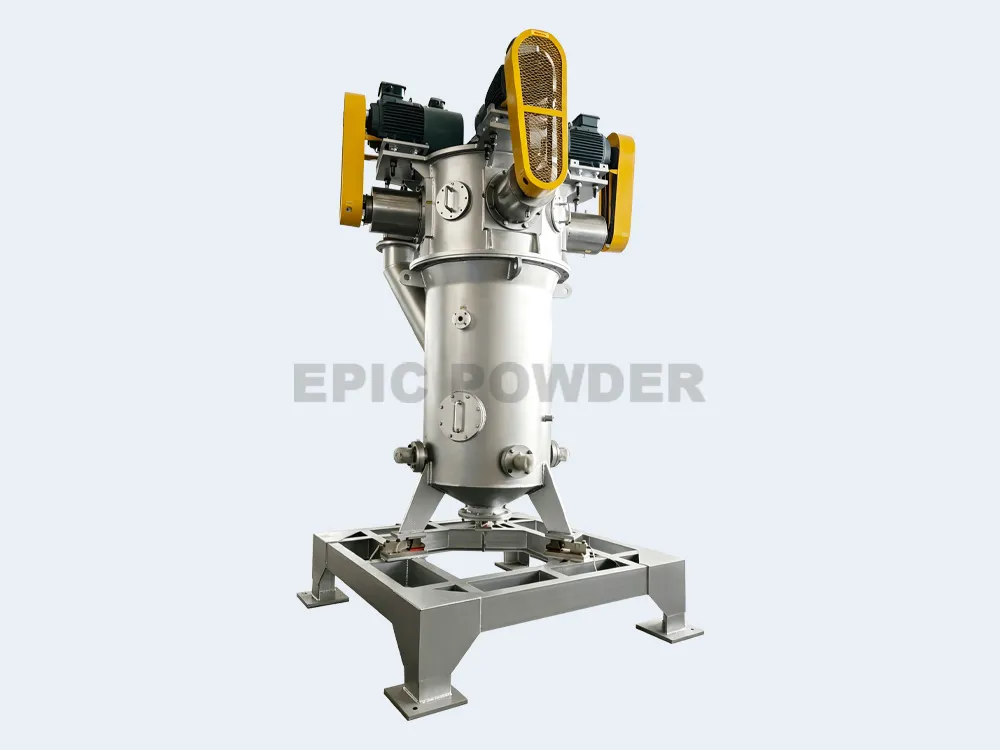
สำหรับงานที่ต้องการความบริสุทธิ์สูงและขนาดอนุภาคละเอียด ผง EPIC Powder คือคำตอบ เครื่องบดเจ็ทแบบฟลูอิไดซ์เบด เครื่องบดแบบเจ็ทมีข้อได้เปรียบที่โดดเด่น ต่างจากเครื่องบดแบบกลไก เครื่องบดแบบเจ็ทไม่จำเป็นต้องใช้เครื่องมือบดแบบกลไก อนุภาคจะถูกบดและโม่ทั้งหมดผ่านการชนกันระหว่างอนุภาคในกระแสแก๊สความเร็วสูง คุณสมบัติพิเศษนี้ช่วยขจัดปัญหาการสึกหรอและการปนเปื้อนของโลหะ ทำให้เครื่องบดแบบเจ็ทเป็นตัวเลือกที่เหนือกว่าสำหรับวัสดุที่แข็งมากและการใช้งานที่ความบริสุทธิ์ของผลิตภัณฑ์เป็นสิ่งสำคัญยิ่ง.
หลักการทำงานนั้นเรียบง่ายแต่มีประสิทธิภาพสูง อากาศอัดจะเข้าสู่ห้องบดผ่านหัวฉีดพิเศษและถูกเร่งความเร็วให้สูงขึ้น โดยพัดพาอนุภาคไปด้วย อนุภาคจะชนกันซ้ำๆ จนแตกเป็นชิ้นเล็กๆ ลงเรื่อยๆ จากนั้นเครื่องแยกฝุ่นแบบไซโคลนหรือตัวกรองฝุ่นจะดักจับวัสดุที่บดละเอียดแล้ว.
ข้อดีที่สำคัญของเครื่องบดแบบเจ็ทฟลูอิไดซ์เบดสำหรับการปรับปรุงคุณภาพใยอาหารของหน่อไม้:
- ไม่มีเครื่องมือเจียรเชิงกล — ปราศจากการปนเปื้อนของโลหะ รักษาความบริสุทธิ์ของใยอาหารเกรดอาหาร
- การประมวลผลที่ไวต่ออุณหภูมิ — กระบวนการบดก่อให้เกิดความร้อนน้อยที่สุด ซึ่งช่วยปกป้องสารประกอบทางชีวภาพที่ไวต่อความร้อน
- การควบคุมขนาดอนุภาคที่แม่นยำ — สามารถผลิตอนุภาคที่มีความละเอียดสูงถึง d97 = 1 μm พร้อมการกระจายขนาดอนุภาคที่สม่ำเสมอ
- การบดและการคัดแยกแบบขั้นตอนเดียว — การจำแนกประเภทแบบบูรณาการช่วยให้มั่นใจได้ถึงคุณภาพผลิตภัณฑ์ที่สม่ำเสมอ
- ความสามารถในการใช้ก๊าซเฉื่อย — สามารถใช้ไนโตรเจน อาร์กอน หรือฮีเลียม เพื่อป้องกันการเกิดออกซิเดชันและรับประกันความปลอดภัยในการดำเนินการ
EPIC Powder นำเสนอเครื่องบดแบบเจ็ทหลายรูปแบบ ได้แก่ เครื่องบดแบบเจ็ทเตาเผาแบบฟลูอิไดซ์เบดแนวนอน (ซีรีส์ MQW) เครื่องบดแบบเจ็ทแบบเกลียว (ซีรีส์ MQP) และเครื่องบดแบบเจ็ทเตาเผาแบบฟลูอิไดซ์เบดแนวตั้ง (ซีรีส์ MQL) ซึ่งแต่ละแบบได้รับการปรับให้เหมาะสมกับคุณลักษณะของวัสดุและข้อกำหนดการผลิตที่เฉพาะเจาะจง การออกแบบแบบฟลูอิไดซ์เบดมีตัวแยกขนาดอนุภาคด้วยอากาศในตัว ซึ่งสามารถปรับแต่งได้อย่างละเอียดเพื่อให้ได้ขนาดและรูปร่างอนุภาคที่แม่นยำตามที่ต้องการสำหรับการใช้งานของคุณ.
เหตุใดการบดละเอียดพิเศษจึงมีความสำคัญต่อใยอาหารจากหน่อไม้
การเลือกใช้เทคโนโลยีการบดมีผลโดยตรงต่อประสิทธิภาพการทำงานของใยอาหารจากหน่อไม้แปรรูป วิธีการบดแบบดั้งเดิมจะให้ผลเป็นอนุภาคที่ค่อนข้างหยาบ ซึ่งไม่สามารถเปิดเผยกลุ่มไฮโดรฟิลิกภายในหรือเพิ่มพื้นที่ผิวได้สูงสุด ในทางตรงกันข้าม การบดละเอียดพิเศษที่ทำได้ด้วยเครื่องบดแบบแยกด้วยลมและเครื่องบดแบบเจ็ทแบบฟลูอิดไดซ์เบด:
- เพิ่มปริมาณใยอาหารที่ละลายน้ำได้สูงสุด โดยการย่อยสลายส่วนประกอบของเส้นใยที่ไม่ละลายน้ำ
- เผยให้เห็นกลุ่มไฮโดรฟิลิก ถูกกักไว้ภายในโครงสร้างเส้นใย ช่วยเพิ่มความสามารถในการกักเก็บน้ำ
- เพิ่มพื้นที่ผิวจำเพาะ เพื่อคุณสมบัติในการดูดซับและให้ความชุ่มชื้นที่ดีขึ้น
- ช่วยให้ได้ขนาดอนุภาคที่สม่ำเสมอ เพื่อประสิทธิภาพการทำงานที่สม่ำเสมอในการใช้งานด้านอาหาร
- ช่วยรักษาสารประกอบออกฤทธิ์ทางชีวภาพ ผ่านการทำงานที่อุณหภูมิต่ำ
- ช่วยขจัดความเสี่ยงจากการปนเปื้อน โดยการบดแบบไม่ใช้ตัวกลาง (เครื่องบดแบบเจ็ท) หรือการสัมผัสวัสดุแบบควบคุม (เครื่องบดแบบแยกด้วยอากาศ)
สำหรับใยอาหารจากหน่อไม้โดยเฉพาะ ข้อมูลก็บ่งบอกชัดเจนอยู่แล้วว่า การบดด้วยลมแรงดันสูงช่วยดูดซับกรดน้ำดีได้ สูงกว่า 12 เท่า เมื่อเทียบกับการบดแบบทั่วไป ซึ่งเป็นตัวชี้วัดที่บ่งชี้โดยตรงถึงศักยภาพในการลดคอเลสเตอรอลที่เหนือกว่าในผลิตภัณฑ์อาหารเพื่อสุขภาพ.
การประยุกต์ใช้ใยอาหารจากหน่อไม้แปรรูปในกระบวนการแปรรูปอาหาร
ด้วยความตระหนักรู้ด้านสุขภาพและความเป็นอยู่ที่ดีของผู้บริโภคที่เพิ่มมากขึ้น เส้นใยอาหารจึงได้รับความสนใจมากขึ้นเรื่อยๆ และปัจจุบันถูกนำไปใช้ในอาหาร ผลิตภัณฑ์เสริมอาหาร และผลิตภัณฑ์ยาต่างๆ อย่างแพร่หลาย ในฐานะที่เป็นแหล่งเส้นใยอาหารที่สำคัญ เส้นใยอาหารจากหน่อไม้แปรรูปจึงถูกนำไปใช้ในอาหารหลายประเภท.
ผลิตภัณฑ์เบเกอรี่และผลิตภัณฑ์จากแป้ง
การผสมใยอาหารจากหน่อไม้ลงในผลิตภัณฑ์แป้งให้ประโยชน์หลายประการ งานวิจัยแสดงให้เห็นว่าใยอาหารจากหน่อไม้ช่วยปรับปรุงคุณภาพของแป้งโดยการเพิ่มการดูดซับน้ำของแป้งโด เสริมสร้างโครงสร้างเครือข่ายกลูเตน ยืดอายุการคงตัวของแป้งโด และเพิ่มความหนืดและความยืดหยุ่นของแป้งโด นอกจากนี้ยังช่วยบรรเทาปัญหาต่างๆ เช่น การแตกร้าวและการขาดความเหนียวในแป้งโดที่ผ่านวงจรการแช่แข็งและละลายซ้ำๆ ในขณะเดียวกันก็ช่วยลดการสูญเสียความชื้นเพื่อปรับปรุงคุณภาพโดยรวมของแป้งโด.
บิสกิตที่ทำจากผงใยอาหารหน่อไม้ไม่เพียงแต่มีใยอาหารสูงเท่านั้น แต่ยังมีรสหวานอร่อย ทำให้เหมาะสำหรับผู้ที่มีอาการท้องผูก โรคอ้วน ผู้สูงอายุ และเด็ก นอกจากนี้ การเติมใยอาหารหน่อไม้ลงในเค้กเนื้อนุ่มและหวานจะช่วยปรับปรุงเนื้อสัมผัสและลดดัชนีไกลเซมิก ทำให้เหมาะสำหรับผู้บริโภคที่กำลังควบคุมความดันโลหิตสูง ไขมันในเลือดสูง และน้ำตาลในเลือดสูง (“สามภาวะสูง”).
ผลิตภัณฑ์เนื้อสัตว์
ใยอาหารจากหน่อไม้มีคุณสมบัติในการกักเก็บน้ำและน้ำมันได้ดีเยี่ยม จึงเป็นส่วนผสมที่มีคุณค่าในผลิตภัณฑ์เนื้อสัตว์ ช่วยเพิ่มความเสถียรของอิมัลชันและปรับปรุงรสสัมผัสเมื่อผสมลงในสูตรอาหารเนื้อสัตว์ เมื่อเติมลงในผลิตภัณฑ์เนื้อสัตว์ที่เป็นอิมัลชัน เช่น ไส้กรอก ใยอาหารจากหน่อไม้จะช่วยเสริมคุณสมบัติของเจล ลดการสูญเสียระหว่างการปรุงอาหารและอัตราการสูญเสียน้ำ และปรับปรุงคุณลักษณะทางประสาทสัมผัส.
งานวิจัยชิ้นหนึ่งได้คิดค้นเจลโดยใช้หนังหมู น้ำ และใยอาหารที่ละลายน้ำได้จากหน่อไม้ฝรั่งสายพันธุ์ดัดแปลง ในอัตราส่วน 2:2:1 เพื่อใช้เป็นสารทดแทนไขมันในไส้กรอกจีน ปริมาณโปรตีนสูงในหนังหมู kết hợp กับความสามารถในการดูดซับน้ำสูงของใยอาหารที่ละลายน้ำได้ ช่วยลดการสูญเสียระหว่างการปรุงอาหาร เพิ่มปริมาณโปรตีนและความชื้น และปรับปรุงคุณสมบัติทางกายภาพและความคงตัวของไส้กรอก ส่วนในลูกชิ้นปลา การเติมใยอาหารจากหน่อไม้ฝรั่งช่วยเพิ่มความแข็งและความเหนียว.
ผลิตภัณฑ์นม
ผลิตภัณฑ์นมที่เสริมด้วยใยอาหารมีคุณค่าทางโภชนาการที่ดีขึ้น ขยายขอบเขตการใช้งาน และอุดมไปด้วยสารอาหารจำเป็นหลากหลายชนิดมากขึ้น งานวิจัยแสดงให้เห็นว่าการเติมใยอาหารจากหน่อไม้แปรรูปลงในโยเกิร์ตช่วยเพิ่มความหนืดและความสามารถในการกักเก็บน้ำได้อย่างมีนัยสำคัญ พร้อมทั้งลดการแยกตัวของน้ำเวย์ โดยไม่ทำให้กลิ่นของโยเกิร์ตเสียไป.
แอปพลิเคชั่นอื่น ๆ
นอกเหนือจากหมวดหมู่เหล่านี้แล้ว ใยอาหารจากหน่อไม้ยังสามารถนำไปใช้ในเครื่องดื่ม แยมผลไม้และผัก และอาหารทอดได้อีกด้วย ยิ่งไปกว่านั้น คุณสมบัติที่ได้รับการพิสูจน์แล้วในการลดคอเลสเตอรอล ควบคุมระดับน้ำตาลในเลือด และส่งเสริมสุขภาพลำไส้ ทำให้ใยอาหารจากหน่อไม้เป็นส่วนผสมที่มีศักยภาพสูงในภาคส่วนอาหารเพื่อสุขภาพและอาหารฟังก์ชัน.
บทสรุป
การดัดแปลงใยอาหารจากหน่อไม้ถือเป็นโอกาสสำคัญสำหรับอุตสาหกรรมอาหาร เป็นการเปลี่ยนผลพลอยได้ทางการเกษตรที่ยังไม่ได้ใช้ประโยชน์อย่างเต็มที่ให้กลายเป็นส่วนผสมที่มีคุณสมบัติทางชีวภาพสูงและมีมูลค่า ในบรรดาวิธีการดัดแปลงต่างๆ ที่มีอยู่, การบดละเอียดมาก โดดเด่นในฐานะเทคโนโลยีที่มีประสิทธิภาพ คุ้มค่า และใช้งานง่ายที่สุด ช่วยให้ใช้ประโยชน์จากใยอาหารจากหน่อไม้ได้อย่างเต็มที่.
ที่ ผง EPIC, ของเรา เครื่องแยกอากาศ และ เครื่องบดเจ็ทแบบฟลูอิไดซ์เบด ได้รับการออกแบบมาเพื่อลดขนาดอนุภาคอย่างแม่นยำตามที่ต้องการสำหรับการปรับปรุงใยอาหารให้เหมาะสมที่สุด ช่วยเพิ่มปริมาณใยอาหารที่ละลายน้ำได้และเพิ่มความสามารถในการกักเก็บน้ำ ส่งผลให้การดูดซับกรดน้ำดีสูงขึ้นถึง 12 เท่า.
ผงมหากาพย์
ที่ Epic Powder เรามีอุปกรณ์หลากหลายรุ่นและโซลูชันที่ปรับแต่งได้เพื่อตอบสนองความต้องการเฉพาะของคุณ ทีมงานของเรามีประสบการณ์มากกว่า 20 ปีในด้านการแปรรูปผงต่างๆ Epic Powder เชี่ยวชาญด้านเทคโนโลยีการแปรรูปผงละเอียดสำหรับอุตสาหกรรมแร่ อุตสาหกรรมเคมี อุตสาหกรรมอาหาร อุตสาหกรรมยา และอื่นๆ.
ติดต่อเราวันนี้เพื่อรับคำปรึกษาฟรีและโซลูชันที่ปรับแต่งตามความต้องการ!

“ขอบคุณที่อ่านบทความนี้ หวังว่าบทความนี้จะเป็นประโยชน์นะคะ กรุณาแสดงความคิดเห็นด้านล่าง หรือติดต่อตัวแทนฝ่ายบริการลูกค้าออนไลน์ของ EPIC Powder ได้ค่ะ” เซลด้า สำหรับคำถามเพิ่มเติมใดๆ”
- เจสัน หว่อง, วิศวกร
ข้อผิดพลาด: ไม่พบแบบฟอร์มติดต่อ.