
In applications of polymers such as plastics, rubber, and epoxy resins, flame-retardant performance is a core indicator. It determines product safety and regulatory compliance. From the fire resistance rating of construction materials to the insulation safety of electronics, the performance of flame-retardant materials is critical. It also affects the flame resistance standards of automotive components and the thermal runaway protection in new energy batteries. Overall, flame-retardant performance directly affects whether a product can pass quality inspection and enter the market. However, many practitioners encounter a common pain point. Directly adding inorganic flame retardants not only results in unstable flame-retardant effects. It also significantly reduces the mechanical and processing properties of the material. In some cases, it even makes normal molding impossible. Flame-Retardant Materials Surface Modification is the key technology to solve this industry challenge. By transforming the particle surface, this process creates a strong interfacial bond, ensuring uniform dispersion and superior material integrity.
Core Question: Why Must Flame-Retardant Materials Undergo পৃষ্ঠ পরিবর্তন?
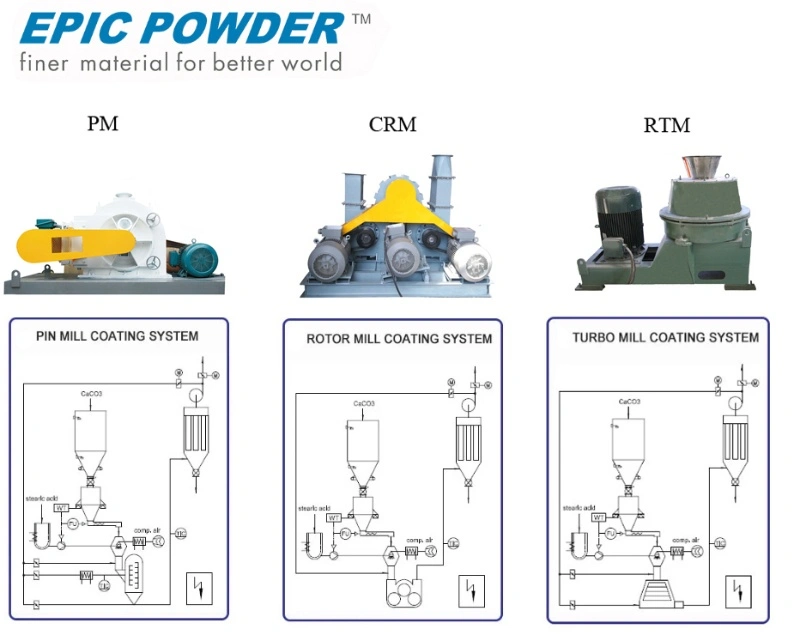
Common inorganic flame retardants include aluminum hydroxide, magnesium hydroxide, aluminum hypophosphite, zinc borate, and phosphorus-based flame retardants. They are characterized by high polarity, hydrophilicity, and a tendency to agglomerate. In contrast, polymer matrices like plastics and rubber are mostly oleophilic and non-polar.
This fundamental contradiction of “hydrophilic vs. oleophilic” directly leads to three critical problems when the two are mixed. For this reason, modification technology is indispensable:
- Poor Dispersion: Flame-retardant particles aggregate due to surface tension, forming defects such as “white spots or hard lumps” in the polymer. This not only affects appearance but also causes uneven internal stress distribution, increasing the risk of cracking or detachment.
- Weak Interfacial Bonding: The flame retardant and polymer matrix are only physically mixed, without রাসায়নিক bonding. This creates a “two-layer” structure, making the material prone to delamination and cracking under stress, and significantly reducing mechanical performance.
- Degraded Comprehensive Performance: Adding unmodified flame retardants reduces material processability (causing issues like stringing and mold clogging), produces rough and dull surfaces, and offers poor water resistance and anti-migration properties. Over time, the flame retardant may leach out or lose effectiveness, causing a decline in flame-retardant performance.
In short, the core purpose of modifying flame-retardant materials is to convert hydrophilic inorganic flame retardants into oleophilic/hydrophobic ones, reduce surface energy, improve dispersion in the polymer matrix, and enhance interfacial bonding. The ultimate goal is to achieve “compliant flame-retardant performance without sacrificing mechanical, processing, or aesthetic properties.”
Main Modification Methods: Five Technical Paths with Different Focuses
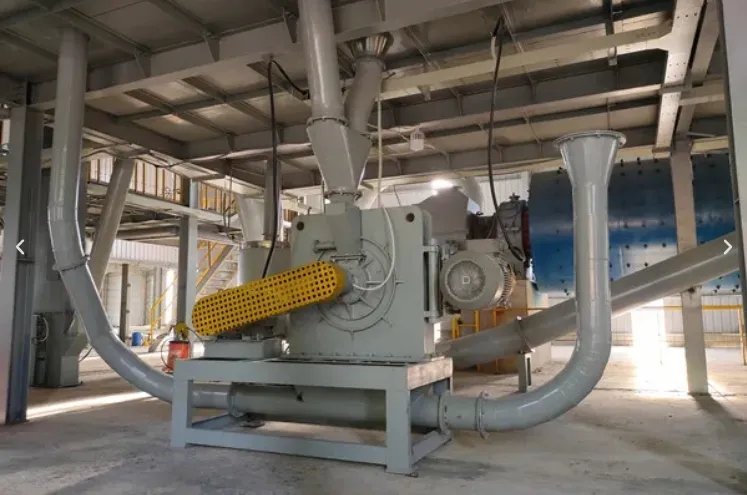
To meet the modification needs of flame-retardant materials, the industry has developed several mature methods. Surface coating and coupling agent modifications are the most widely used. Different methods suit different scenarios and requirements, as outlined below:
Flame-Retardant Materials পৃষ্ঠ পরিবর্তন (Most Widely Applied)
Core Principle: Form a dense coating layer on the surface of flame-retardant particles through chemical deposition or physical coating, using materials such as silicates, oxides, or phosphates, to alter surface polarity and physical morphology.
Main Function: Effectively inhibits particle agglomeration, enhances heat resistance and hydrophobicity, reduces moisture absorption and caking, and improves compatibility with the polymer matrix.
সাধারণ অ্যাপ্লিকেশন: SiO₂-coated aluminum hydroxide, ZrO₂-coated zinc borate, phosphate-coated aluminum hypophosphite; suitable for most inorganic flame retardants.
Coupling Agent Modification (Core and Most Efficient Method)
Core Principle: Utilize the “dual-functionality” of coupling agents—one end reacts chemically with hydroxyl or polar groups on the flame-retardant surface, while the other end reacts with or physically entwines non-polar segments of the polymer matrix. This builds a chemical bridge structure: “Flame retardant–Coupling agent–Polymer matrix.”
Common Coupling Agents:
Silane coupling agents (suitable for silicate or phosphorus flame retardants)
Titanate coupling agents (suitable for aluminum hydroxide and magnesium hydroxide)
Aluminum-based coupling agents (for high filler content scenarios)
Phosphate ester coupling agents (suitable for phosphorus-based flame retardants)
Main Function: Fundamentally solves the “interfacial delamination” problem, significantly enhances bonding strength between the flame retardant and matrix, and improves dispersion and processing flowability. This is the mainstream solution balancing performance and cost.
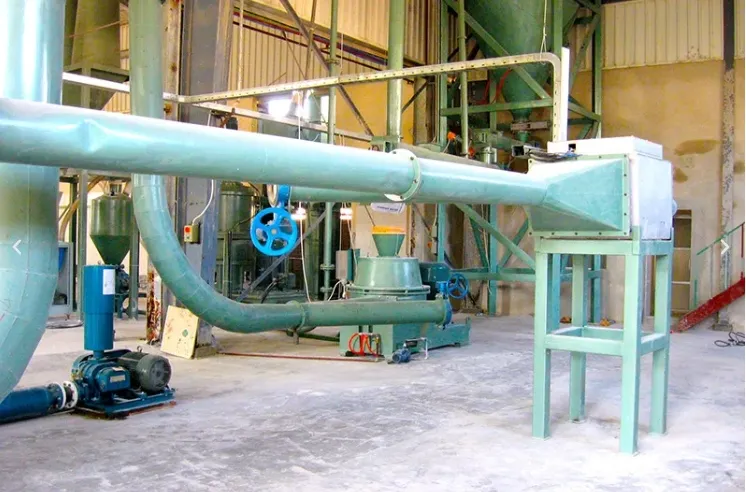
Surfactant Modification (Low-Cost, Easy to Operate)
Core Principle: Use surfactants such as stearic acid, palmitic acid, or quaternary ammonium salts to physically adsorb onto the flame-retardant particle surface. Their hydrophobic groups reduce surface energy and polarity.
Main Function: Quickly improves particle dispersion and lubrication, enhances processability, suitable for mid- to low-end products or as a pre-treatment for high-end modifications.
In-Situ Polymerization Modification (Preferred for High-End Materials)
Core Principle: Initiate monomer polymerization on the surface of flame-retardant particles, allowing polymer chains to grow directly on the particles, forming an integrated structure.
Main Function: Provides extremely strong interfacial bonding, highly stable particle dispersion, significantly enhances mechanical performance and long-term flame-retardant durability. Suitable for high-end applications, such as electronics, electrical, and new energy fields, where material performance requirements are stringent.
Microencapsulation Coating (Targeted to Solve Moisture Absorption and Migration Issues)
Core Principle: Encapsulate flame-retardant particles in polymer materials such as epoxy or melamine resins to form microcapsules, isolating the flame retardant from direct environmental contact.
Main Function: Effectively prevents moisture absorption and migration, enhances high-temperature resistance, and further improves compatibility with polymer matrices. Suitable for flame retardants prone to moisture absorption or decomposition, such as phosphorus- or nitrogen-based flame retardants.
উপসংহার
The essence of flame-retardant materials surface modification is to resolve the fundamental incompatibility between inorganic flame retardants and polymer matrices. Through modification, flame retardants can effectively perform their function while perfectly integrating with polymer materials, ensuring the comprehensive performance of the product.
Currently, surface coating and coupling agent methods are widely applied in the industry. However, challenges such as uniform coating, high-filler processability, and balancing flame-retardant and mechanical performance remain key areas for ongoing improvement by practitioners.

"পড়ার জন্য ধন্যবাদ। আশা করি আমার লেখাটি আপনার কাজে লাগবে। অনুগ্রহ করে নিচে একটি মন্তব্য করুন। আরও যেকোনো প্রশ্নের জন্য আপনি Zelda অনলাইন গ্রাহক প্রতিনিধির সাথেও যোগাযোগ করতে পারেন।"
— পোস্ট করেছেন এমিলি চেন