
Цэнтэла азіяцкая (таксама вядомая як готу кола) — важная лекавая і ядомая расліна. Яе асноўныя актыўныя злучэнні, у першую чаргу трытэрпеноіды (напрыклад, азіятыказід, мадэкасозазід, азіятычная кіслата і мадэкасінавая кіслата), а таксама флаваноіды і поліфенолы, карыстаюцца вялікім попытам у сучаснай фармацэўтыцы, нутрыцэўтыках і касметыцы. Гэтыя сферы прымянення прад'яўляюць строгія патрабаванні да тонкасці памолу, аднастайнасці і захавання біялагічнай актыўнасці парашка.
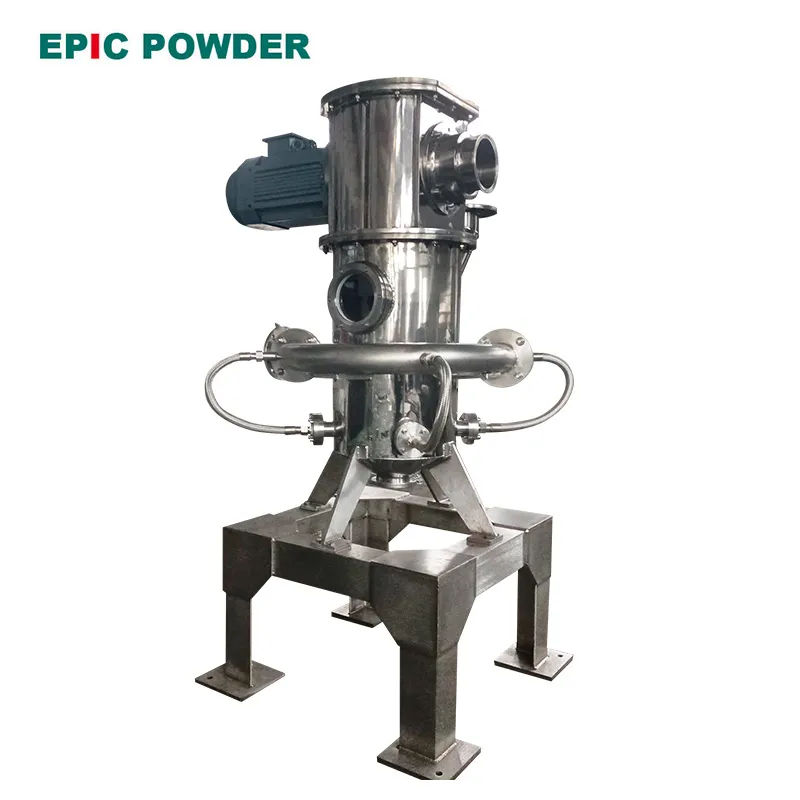
Традыцыйныя метады драбнення (напрыклад, малатковыя млыны, лопастныя млыны, звычайныя ўдарныя млыны або шаравыя млыны) часта сутыкаюцца са значнымі абмежаваннямі пры апрацоўцы цэнцелы азіяцкай. паветраструйны млын (асабліва струменевыя млыны з псеўдакіпячаным слоем або плоскія струменевыя млыны) сталі асноўным выбарам для высакаякаснага звыштонкага драбнення гэтага матэрыялу. Ніжэй мы сістэматычна тлумачым: чаму цэнтэла азіяцкая асабліва патрабуе паветрана-струйное фрэзераванне, і яго рэальныя перавагі перад традыцыйным механічным шліфаваннем.
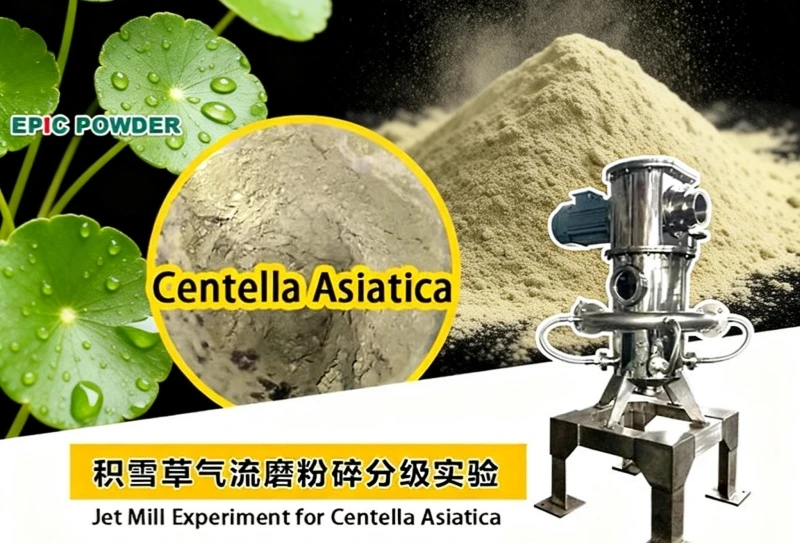
Чаму Паветраны рэактыўны млын Асабліва падыходзіць (ці неабходна) для цэнцелы азіяцкай?
Цэнтэла азіяцкая мае такія характарыстыкі, якія робяць традыцыйныя метады неэфектыўнымі і прыводзяць да страты якасці:
- Высокае ўтрыманне лятучых і адчувальных да цяпла кампанентаў Лятучыя алеі, фенольныя кіслоты, поліцукрыды і іншыя кампаненты цэнцелы азіяцкай вельмі адчувальныя да тэмпературы. Раскладанне або выпарэнне становіцца прыкметным пры тэмпературы вышэй за 60–80°C.
- Высокае ўтрыманне клятчаткі і цвёрдая тэкстура Лісце і надземная частка ўтрымліваюць значную колькасць цэлюлозы і геміцэлюлозы. Традыцыйная механічная стрыжка, як правіла, выклікае “слізганне”, заблытванне валокнаў і няпоўнае здрабненне, што часта прыводзіць да ўтварэння доўгіх камякоў валокнаў.
- Актыўныя інгрэдыенты ў асноўным сканцэнтраваны на паверхні клетак Трытэрпенавыя сапаніны ў асноўным знаходзяцца ў клетках эпідэрмісу і парэнхімы. Празмернае механічнае ўздзеянне можа пашкодзіць клетачныя структуры, што прывядзе да затрымкі або акіслення актыўных злучэнняў.
- Канчатковыя вырабы патрабуюць надзвычай высокай тонкасці і вузкасці памер часціц размеркаванне
- Цвёрдыя прэпараты для прыёму ўнутр (гранулы, капсулы): звычайна патрабуецца D90 ≤ 20–30 мкм
- Касметычнае прымяненне: часта патрабуецца D50 ≤ 5–10 мкм або нават субмікронны ўзровень
- Трансдэрмальныя формы: больш дробныя часціцы значна паляпшаюць пранікненне ў рагавы пласт
Традыцыйнае механічнае драбненне з цяжкасцю спраўляецца з чатырма найважнейшымі патрабаваннямі: нізкая тэмпература + ультрадробны памер + вузкае размеркаванне + нізкі ўзровень забруджвання. Паветраструменевае драбненне выдатна спраўляецца менавіта з гэтымі праблемамі.
Асноўныя перавагі паветранага млына ў параўнанні з Традыцыйнае шліфаванне
| Аспект | Традыцыйнае механічнае шліфаванне (малаток, лязо, Шаравой млын, і г.д.) | Паветраструменевае памолванне (асабліва млын з псеўдазмяшчальным слоем / супрацьлеглым струменем) | Практычнае значэнне апрацоўкі цэнцелы азіяцкай |
|---|---|---|---|
| Тэмпература памолу | Звычайна падымаецца на 40–100°C і больш | Амаль без павышэння тэмпературы (можна нават астудзіць ніжэй за пакаёвую тэмпературу) | Максімізуе ўтрыманне лятучых алеяў, поліфенолаў і трытэрпенавых гліказідаў |
| Канчатковая тонкасць | Звычайна 100–325 меш (150–45 мкм), драбнейшы памер цяжка атрымаць | Лёгка дасягае 1–20 мкм, D50 — усяго 2–8 мкм | Значна паляпшае біядаступнасць і трансдэрмальную эфектыўнасць |
| Размеркаванне памераў часціц | Шырокае распаўсюджванне (мультымадальнае, нераўнамернае) | Вельмі вузкі (адзін пік, вельмі аднастайны) | Прасцейшы кантроль якасці, мінімальныя адрозненні ад партыі да партыі |
| Механізм шліфавання | Механічны зрух + удар + абразіў | Сутыкненне часціц з часціцай (амаль без асяроддзя, без зруху) | Больш поўны разрыў клеткавай сценкі, мінімальнае заблытванне валокнаў |
| Забруджванне металам/асяроддзем | Падарункі (ад малаткоў, шарыкаў, гільзаў) | Практычна няма (няма рухомых частак, няма мелючых матэрыялаў) | Ідэальна падыходзіць для прэміяльнай касметыкі і экспартных траўных вырабаў |
| Акісленне і ферментатыўнае пацямненне | Больш сур'ёзныя (працяглае ўздзеянне паветра + спёка) | Вельмі мінімальны (закрытая сістэма, кароткі час апрацоўкі) | Канчатковы парашок захоўвае больш зялёны колер і свежы водар |
| Прыдатнасць для тэрмаадчувальных / цукразмяшчальных матэрыялаў | Бедны | Выдатна | Высокая ўтрыманне поліцукрыдаў і лятучых кампанентаў |
| Прадукцыйнасць (кг/г) | Умераны | Сярэдні або высокі (аптымізаваныя мадэлі дасягаюць высокай прапускной здольнасці) | Падыходзіць для вытворчасці ў прамысловых маштабах |
| Ачыстка і змена партыі | Складаней (шмат сляпых кутоў) | Адносна лёгка (простая структура) | Зніжэнне рызыкі перакрыжаванага забруджвання |
Параўнанне рэальных вытворчых дадзеных (галіновыя эталонныя значэнні)
- Звычайнае здрабненне цэнцелы азіяцкай → 80–120 меш, утрыманне азіятыказіду ≈ 82–88%, парашок мае цёмна-карычневы колер
- Звыштонкі парашок, здробнены паветранай струяй → 400–2000 меш (D50 ≈ 3–12 мкм), утрыманне азіятыказідаў ≥ 94–981 TP3T, парашок мае ярка-зялёны колер і свежы водар
У прыватнасці, для касметычнага парашка цэнцелы азіяцкай паветрана-струменевае драбненне стала амаль стандартам, паколькі яно унікальным чынам дазваляе дасягнуць:
- Дастатковая дробнасць (для лепшага пранікнення ў скуру)
- Практычна адсутнічае тэрмічнае раскладанне (высокая актыўнасць утрымання)
- Вельмі нізкі рызыка мікробнага забруджвання і забруджвання цяжкімі металамі (без асяроддзя)
ЗаключэннеЧаму паветрана-струменевы млын з'яўляецца пераважным выбарам для атрымання высакаякаснага парашка цэнцелы азіяцкай
Цэнтэла азіяцкая найбольш уразлівая да “спякоты + забруджвання + празмерных механічных пашкоджанняў”, і паветрана-струменевы фрэзер супрацьстаіць гэтым тром асноўным пагрозам, выкарыстоўваючы падыход “холад + сутыкненне чыстых часціц + закрыты ультратонкі”.
Для звычайных чайных сумесяў, кормавых прадуктаў або грубай апрацоўкі традыцыйны механічны памол застаецца найбольш эканамічна эфектыўным варыянтам. Аднак, калі прадукт арыентаваны на нутрыцэўтыкі сярэдняга і высокага класа, функцыянальную касметыку, травяныя адвары экспартнага класа або трансдэрмальныя прэпараты, паветрана-струменевы памол пераходзіць з “неабавязковага” ў “абавязковы”.”
Зазіраючы ў будучыню, па меры развіцця нанатрадыцыйнай кітайскай медыцыны і перадавых сістэм трансдэрмальнай дастаўкі, мэтавы памер часціц парашка цэнцелы азіяцкай, верагодна, будзе рухацца ў напрамку 1-5 мкм або нават субмікроннага ўзроўню. Паветраструменевы млын, асабліва мадэрнізаваныя мадэлі, якія выкарыстоўваюць інэртны газ або крыягенны паток паветра, застануцца адным з найбольш надзейных прамысловых метадаў дасягнення гэтай мэты.

«Дзякуй за чытанне. Спадзяюся, мой артыкул будзе карысным. Калі ласка, пакіньце каментар ніжэй. Вы таксама можаце звязацца з прадстаўніком службы падтрымкі кліентаў Zelda онлайн, калі ў вас ёсць дадатковыя пытанні».
— Апублікавана Эмілі Чэн