
З пастаянным развіццём перадавых тэхналогій, перадавыя керамічныя парашкі і вырабы сталі ключавымі і вузкімі матэрыяламі ў некаторых высокатэхналагічных галінах. У прамысловасць літыевых батарэй, некаторыя керамічныя матэрыялы адыгрываюць вырашальную ролю ў яго вытворчым ланцужку. Гэтыя матэрыялы могуць непасрэдна служыць электродамі або сепаратарнымі матэрыяламі, выкарыстоўвацца ў якасці ўпаковачных матэрыялаў або выступаць у якасці дапаможных матэрыялаў у вытворчым працэсе. Гэты рынак керамічных матэрыялаў перажывае бум дзякуючы попыту з боку сектара літыевых батарэй. Сёння давайце больш падрабязна разгледзім, якія з іх... керамічныя матэрыялы патрэбныя для вытворчасці літыевай батарэі.
Літый-іённыя акумулятары ў асноўным складаюцца з пяці частак: катоднага матэрыялу, аноднага матэрыялу, сепаратара, электраліта і ўпаковачнага матэрыялу. Сярод іх сепаратар з'яўляецца найбольш тэхнічна складанай часткай. матэрыял батарэі, прычым яго кошт складае ад 10% да 14%, саступаючы толькі матэрыялу катода. У дарагіх акумулятарах кошт сепаратара можа дасягаць нават 20%.

Недахопы традыцыйнага сепаратара
Камерцыйныя сепаратары для літый-іённых акумулятараў у асноўным уяўляюць сабой мікрапорыстыя мембраны з поліэтылену (ПЭ) або поліпрапілену (ПП). Гэтыя поліалефінавыя сепаратары маюць пэўныя недахопы. З аднаго боку, калі знешняя тэмпература дасягае або перавышае тэмпературу плаўлення сепаратара, ён можа сціскацца або расплавіцца, што прыводзіць да ўнутранага цеплавога выкіду або кароткага замыкання ў акумулятары. Таму захаванне памеру і формы сепаратара мае вырашальнае значэнне для павышэння бяспекі акумулятара. З іншага боку, паколькі палярнасць поліалефінавых сепаратараў не адпавядае палярнасці арганічных электралітаў, сепаратар дрэнна змочваецца электралітам, што азначае, што падчас паўторных цыклаў зарадкі-разрадкі здольнасць сепаратара ўтрымліваць неводны электраліт слабая, што ўплывае на цыклічныя характарыстыкі акумулятара.
Перавагі керамічных сепаратараў і тыповыя матэрыялы
У цяперашні час керамічныя сепаратары можна падзяліць на дзве катэгорыі ў залежнасці ад спосабу іх падрыхтоўкі. Адзін з метадаў прадугледжвае выкарыстанне традыцыйных поліалефінавых сепаратараў або нетканых матэрыялаў у якасці асновы мембраны. Пласт керамікі пакрыццё затым наносіцца такімі метадамі, як склейванне, гарачае прэсаванне або прышчэпка. Іншы метад прадугледжвае змешванне нанапамерных керамічных часціц з арганічнымі матэрыяламі для стварэння суспензіі. Гэтая суспензія затым расцягваецца ў плёнкі або ператвараецца ў нетканыя матэрыялы.
З шырока распаўсюджаным выкарыстаннем таблетак і электрамабіляў традыцыйныя поліалефінавыя сепаратары больш не могуць адпавядаць патрабаванням да высокага напружання і высокай шчыльнасці энергіі. Гэта звязана з іх нізкімі характарыстыкамі з пункту гледжання ўстойлівасці да высокага ціску і высокіх тэмператур. Дзякуючы выкарыстанню тэхналогій пакрыцця сепаратараў, керамічныя пакрыцці могуць прадухіліць пашырэнне кропак цеплавога ўцёку ў акумулятары. Гэта забяспечвае лепшую бяспеку. Унікальная структура неарганічных матэрыялаў таксама паляпшае ўстойлівасць сепаратара да цеплавой ўсаджвання. Акрамя таго, керамічныя пакрыцці валодаюць гідрафільнымі ўласцівасцямі. Гэтыя ўласцівасці паляпшаюць паглынанне электраліта, што можа палепшыць раўнамернасць размеркавання току ўнутры акумулятара падчас цыклаў зарадкі і разрадкі.
Найбольш шырока вывучанымі керамічнымі сепаратарнымі матэрыяламі з'яўляюцца высокачысты аксід алюмінію (Al2O3) і беміт (AlOOH).
Высокачысты аксід алюмінію (Al2O3)
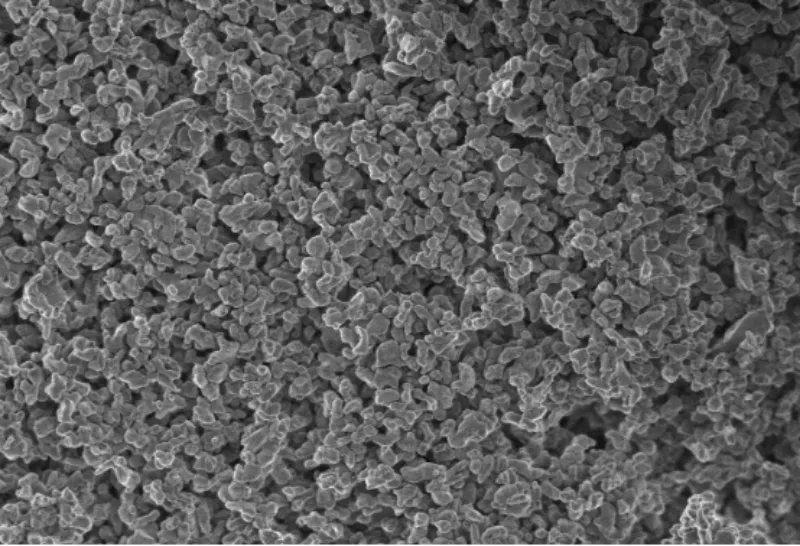
Гліназём — гэта высокацвёрдае злучэнне з тэмпературай плаўлення 2054°C і тэмпературай кіпення 2980°C. Гэта іонна звязаны крыштал з высокай тэрмічнай стабільнасцю і хімічны інертнасць, што робіць яго выдатным выбарам для керамічных пакрыццяў на сепаратарах акумулятараў. Перавагі высакаякаснага аксіду алюмінію ўключаюць:
- Доўгі тэрмін службыГэта памяншае механічныя мікракароткія замыканні падчас цыклічнага працэсу, эфектыўна павялічваючы тэрмін службы.
- Высокая хуткасць прадукцыйнасціВысокачысты нанааксід алюмінію можа ўтвараць цвёрдыя растворы ў літыевых батарэях, паляпшаючы хуткасныя характарыстыкі і стабільнасць цыклаў.
- Выдатная цеплаправоднасцьВысокачысты нанааксід алюмінію мае выдатную цеплаправоднасць, што дапамагае перадаваць цяпло пры павышэнні тэмпературы акумулятара, вырашаючы праблему нізкай цеплаправоднасці матэрыялаў PP/PE.
- Добрая змочвальная здольнасцьПарашок нанааксіду алюмінію мае добрую здольнасць паглынаць і ўтрымліваць электраліт.
- Выдатная вогнеўстойлівасцьГліназём — выдатны вогнеахоўны матэрыял. Нават пры высокіх тэмпературах яго выдатныя вогнеахоўныя ўласцівасці могуць прадухіліць шырокае ўзгаранне або нават выбухі.
- Бягучая блакіроўкаУ выпадку празмернага току, высакаякасны аксід алюмінію можа блакаваць ток, прадухіляючы кароткія замыканні, якія могуць узнікнуць з-за празмернага нагрэву, што прыводзіць да плаўлення сепаратара.
Беміт (AlOOH)
Чысты беміт мае белы колер, монаклінную крышталічную структуру і належыць да ромбападобнай крышталічнай сістэмы. Ён мае цвёрдасць па шкале Мооса 3-3,5 і ўдзельную вагу 3,0-3,07. Беміт з'яўляецца папярэднікам γ-Al2O3 і выкарыстоўваецца ў шырокім дыяпазоне прымянення, такіх як керамічныя матэрыялы, кампазітныя матэрыялы, пакрыцці для абароны паверхняў, аптычныя матэрыялы, каталізатары і паўправадніковыя матэрыялы.
У параўнанні з аксідам алюмінію, беміт мае наступныя перавагі:
- Ніжняя цвёрдасцьБеміт мае меншую цвёрдасць, што памяншае механічны знос падчас працэсаў рэзкі і нанясення пакрыццяў, што робіць яго больш эканамічна эфектыўным, чым высакаякасны аксід алюмінію.
- Высокая цеплаўстойлівасцьБеміт мае выдатную тэрмічную стабільнасць і добрую сумяшчальнасць з арганічнымі матэрыяламі.
- Ніжняя шчыльнасцьПры аднолькавай вазе беміт можа пакрыць большую плошчу, чым аксід алюмінію.
- Лепшая аднастайнасць пакрыццяПакрыцці з беміту больш аднастайныя, што прыводзіць да зніжэння ўнутранага супраціву.
- Ніжэйшае спажыванне энергііПрацэс вытворчасці беміту больш энергаэфектыўны і экалагічна чысты.
- Ніжэйшае паглынанне вадыБеміт паглынае толькі палову вады, чым высакаякасны аксід алюмінію.
- Прасцейшая вытворчасцьАтрыманне беміту прасцейшае, чым атрымання высокачыстага аксіду алюмінію, які патрабуе кальцынацыі, драбнення і сартавання.
- Лягчэй замяніцьПераход на беміт не патрабуе істотных змен у абсталяванні або працэсах вытворцаў сепаратараў і наносіць менш пашкоджанняў абсталяванню.
Катодная дабаўка – аксід цырконія (ZrO2)
Ужыванне нанамаштабных прадуктаў з аксіду цырконію (ZrO2) у новым энергетычным сектары пашыраецца, і ўсё больш канструкцый літыевых акумулятараў утрымліваюць парашок аксіду цырконію ў якасці катоднай дабаўкі для стабілізацыі прадукцыйнасці акумулятара і павелічэння тэрміну службы. У якасці прыкладу давайце разгледзім, як нанамаштабны аксід цырконію ўплывае на прадукцыйнасць катодных матэрыялаў.
Структурныя эфекты
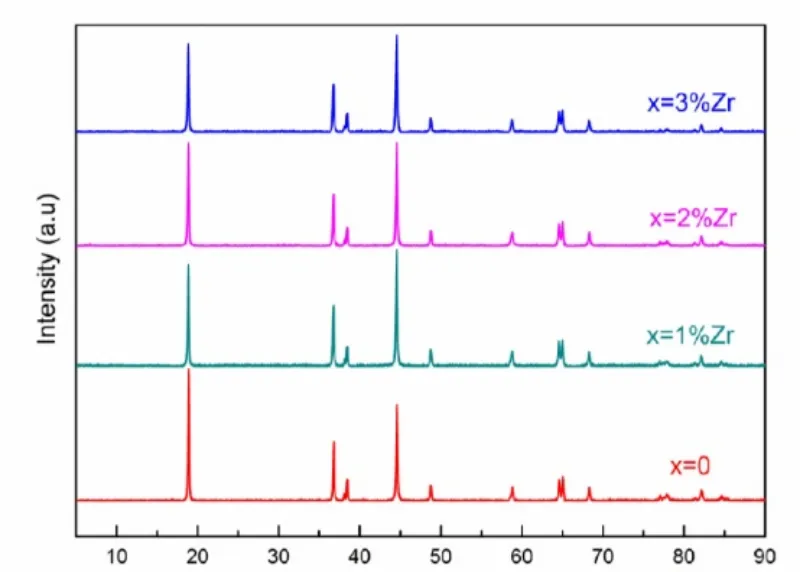
Рэнтгенаструктурны аналіз (XRD) LiNi0.8Co0.1Mn0.1O2, легаванага ZrO2, паказвае, што даданне ZrO2 не змяняе агульную структуру матэрыялу, які захоўвае характэрную для гэтага матэрыялу шасцікутную слаістую структуру тыпу α-NaFeO2.
Марфалагічныя эфекты
Па меры павелічэння ўзроўню легіравання ZrO2 памер першасных часціц памяншаецца з зыходных рэгулярных блокавых часціц памерам 200–400 нм да шчыльных агрэгатаў памерам 100–200 нм. Буйныя часціцы, якія ўтвараюцца ў выніку агламерацыі першасных часціц, памяншаюцца да 1–2 мкм. Сферычная форма часціц становіцца менш выяўленай пры легіраванні, што спрыяе больш лёгкай дыфузіі іонаў літыя.
Электрахімічныя эфекты
Даследаванні паказваюць, што матэрыялы, легаваныя ZrO2, маюць больш высокую разрадную ёмістасць у параўнанні з зыходным LiNi0.8Co0.1Mn0.1O2. Гэта, верагодна, звязана з меншай памер часціц, што памяншае шлях дыфузіі літый-іёнаў і паляпшае электрахімічныя характарыстыкі. Больш за тое, іёны Zr4+ могуць міграваць да паверхні і ўтвараць цвёрдыя растворы, якія дапамагаюць прадухіліць структурны разбурэнне падчас цыклаў зарад-разрад, а таксама абараняюць матэрыял ад растварэння кобальту, паляпшаючы стабільнасць цыклаў.
Спяканне катодных матэрыялаў – абсталяванне для керамічнай печы
З ростам попыту на акумулятары для электрамабіляў рэзка ўзрос попыт на катодныя матэрыялы, што прымусіла айчынных вытворцаў печаў мадэрнізаваць сваё вытворчае абсталяванне. Значна вырас попыт на такія матэрыялы, як карбідкрэмніевая кераміка і кардыерыта-мулітовая кераміка.
Штурхальныя пласціны
Звычайна выкарыстоўваныя штурхальныя пласціны вырабляюцца з карбіду крэмнію і корунд-муліту, прычым пласціны з карбіду крэмнію ў асноўным выкарыстоўваюцца для нізкатэмпературных печаў. Аднак іх акісленне пры тэмпературах вышэй за 1300°C абмяжоўвае іх прымяненне.
Тыглі
Што тычыцца тыгляў, то для спякання катодных матэрыялаў выкарыстоўваюцца розныя матэрыялы. Тыглі з кардыерыту-муліту шырока выкарыстоўваюцца ў сектары катодных матэрыялаў для літыевых акумулятараў дзякуючы сваёй выдатнай устойлівасці да тэрмічных удараў і эканамічнай эфектыўнасці.
Ролікі
Ролікі, якія выкарыстоўваюцца ў ролікавых печах, што звычайна выкарыстоўваюцца пры спяканні катодных матэрыялаў літый-іённых акумулятараў, павінны вытрымліваць высокія тэмпературы і быць устойлівымі да дэфармацыі паўзучасці. Матэрыялы, якія звычайна выкарыстоўваюцца для керамічных ролікаў, уключаюць корунд, алюмасілікат, плаўлены крэмній і карбід крэмнію.
Іншыя керамічныя матэрыялы для літыевых батарэй
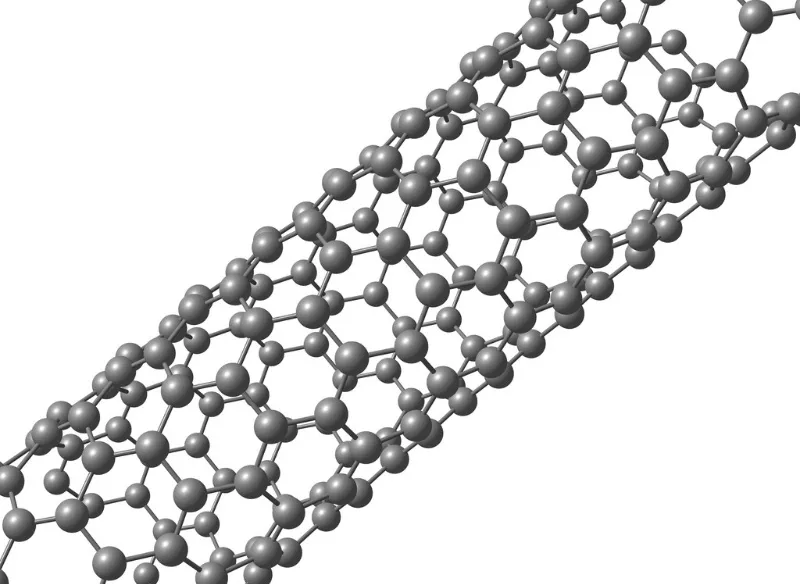
Акрамя таго, пры падрыхтоўцы або зборцы літыевых акумулятараў выкарыстоўваюцца і іншыя керамічныя парашкі або прадукты. Напрыклад, высакаякасны ультратонкі аксід алюмінію выкарыстоўваецца ў якасці катоднай дабаўкі, якая гуляе ролю ў пакрыцці і легаванні. Мікрапарашок карбіду крэмнію можна спалучаць з графітам, вугляроднымі нанатрубкамі або нананітрыдам тытана для стварэння анодных матэрыялаў. Гэта спалучэнне паляпшае ёмістасць і тэрмін службы акумулятара. У працэсе герметызацыі літыевых акумулятараў электронныя керамічныя кольцы з'яўляюцца важнымі кампанентамі. Гэтыя кольцы таксама вядомыя як “керамічныя герметызацыйныя раздымы акумулятара новага тыпу”. Яны ўтвараюць герметычнае праводнае злучэнне паміж вечкам акумулятара і полюсамі ў электрамабілях.
Заключэнне
З пастаянным развіццём перадавых тэхналогій і матэрыялаў, верагодна, што ў будучыні ў літыевых батарэях і ва ўсім новым энергетычным сектары будзе выкарыстоўвацца больш керамічных матэрыялаў для літыевых батарэй.
«Дзякуй за чытанне. Спадзяюся, мой артыкул будзе карысным. Калі ласка, пакіньце каментар ніжэй. Вы таксама можаце звязацца з прадстаўніком службы падтрымкі кліентаў Zelda онлайн, калі ў вас ёсць дадатковыя пытанні».
— Апублікавана Эмілі Чэн