
In powder processing and application, мадыфікацыя паверхні is often carried out to adapt powders to practical usage requirements. This allows precise control over the surface physicochemical properties of powders, meeting the development needs of modern materials, processes, and applications.
Based on the characteristics of different powders and practical application scenarios, we have summarized common modification methods, modifiers, influencing factors, and suitable targets in one quick-reference, practical, and easy-to-understand guide.
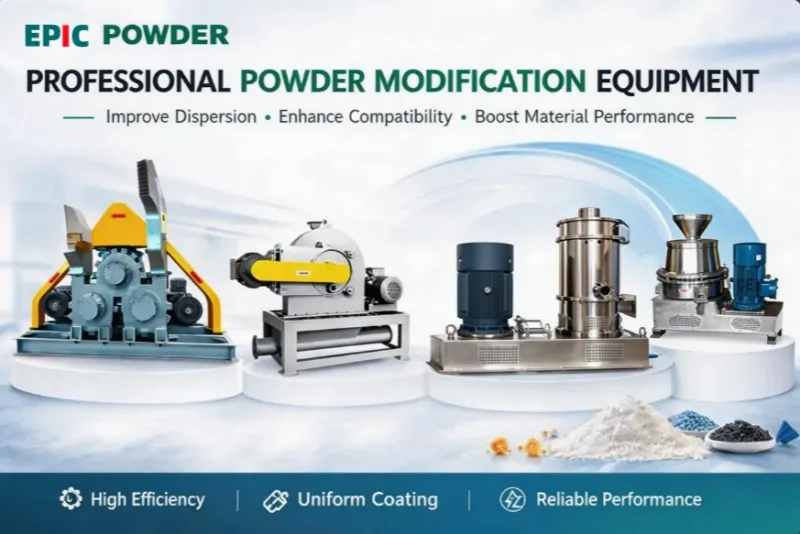
01 Physical Coating
прынцып: Treating the powder surface using polymers or resins, generally including cold and hot methods.
Мадыфікатары: Polymers, phenolic resins, furan resins, etc.
Influencing Factors: Particle shape, specific surface area, porosity, type and amount of coating agent, and coating process.
Suitable Targets: Foundry sand, quartz sand, etc.
02 Chemical Coating
прынцып: Coating particle surfaces through adsorption or хімічны reactions of functional groups in organic molecules. This generally includes dry and wet methods. In addition to surface functional group modification, this method also covers surface coating modification using free radical reactions, chelation reactions, sol adsorption, and other approaches.
Мадыфікатары: Silanes, titanates, aluminates, zirconium-aluminates, various organic chromium coupling agents, higher fatty acids and their salts, organic ammonium salts, various types of surfactants, phosphates, unsaturated organic acids, water-soluble organic polymers, etc.
Influencing Factors: Powder surface properties, type and dosage of modifier, modification process, and modification equipment.
Suitable Targets: Quartz sand, silicon micropowder, карбанат кальцыя, kaolin, talc, barite, wollastonite, mica, diatomite, hydromagnesite, barium sulfate, dolomite, sepiolite, tourmaline, titanium dioxide, aluminum hydroxide, magnesium hydroxide, alumina, silica, iron oxide red, zinc oxide, fly ash, nanomaterials, and other powders.
03 Precipitation Reaction
прынцып: A layer or multiple layers of “coating” are formed on the particle surface through precipitation of inorganic compounds. This improves powder surface properties such as gloss, coloring power, coverage, color retention, weather resistance, and electrical, magnetic, thermal, and bulk properties.
Мадыфікатары: Various inorganic compounds, such as metal oxides, hydroxides, and their salts.
Influencing Factors: The success of the modification process depends on several critical variables:
- Post-Treatment: Subsequent steps such as washing, dehydration, drying, or calcination.
- Raw Material Properties: Памер часціц, shape, and existing surface functional groups.
- Chemical Parameters: The type of inorganic modifier used, as well as slurry pH and concentration.
- Process Conditions: Reaction temperature and duration.
Suitable Targets: Titanium dioxide, pearlescent mica, alumina, and other inorganic pigments.
04 Mechanochemical Modification
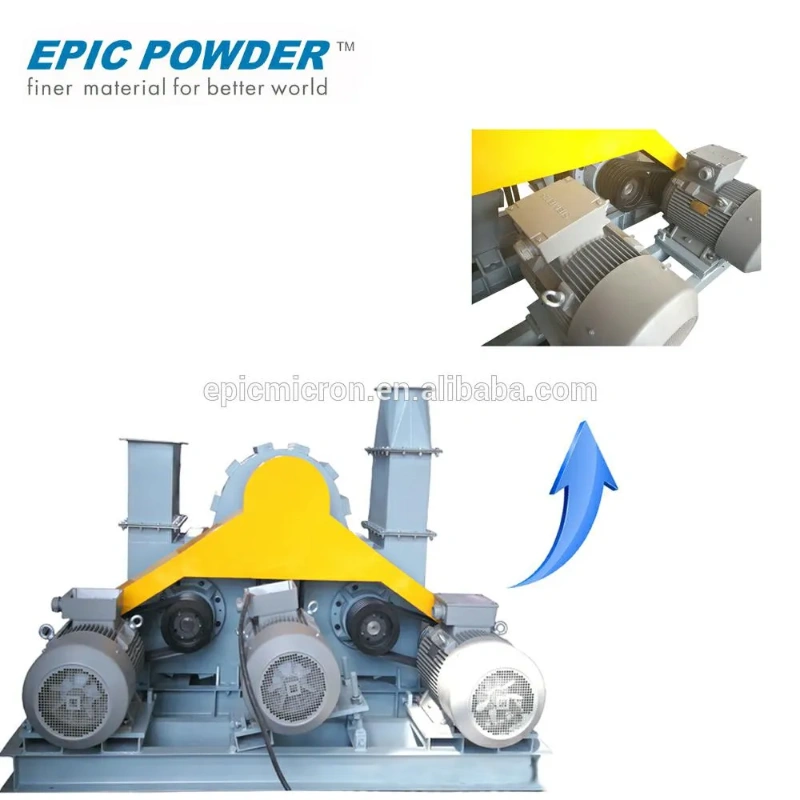
прынцып: This method utilizes ultrafine grinding and other intense mechanical forces to activate the powder surface. This process triggers several physical and chemical changes:
- Active Sites: It increases the number of surface functional groups or active sites available for further processing.
- Structural Shifts: It can partially alter the crystal structure or increase solubility through surface amorphization.
- Палепшаная рэактыўнасць: It improves chemical adsorption and overall reaction activity.
Equipment and Modifiers: Three-roller coating mills, Штыфтавыя млыны, Turbo mills, along with grinding aids, dispersants, and modifiers.
Influencing Factors: Type of grinding equipment, mode of mechanical action, grinding environment (dry, wet, atmosphere), type and dosage of grinding aids or dispersants, duration of mechanical action, as well as powder crystal structure, chemical composition, particle size, and particle size distribution.
Suitable Targets: Calcium carbonate, kaolin, talc, mica, wollastonite, and other powders.
05 Intercalation Modification
прынцып: For layered minerals with weak interlayer forces (such as molecular or van der Waals forces) or exchangeable cations, intercalation modification changes interfacial and other properties through ion exchange or chemical reactions.
Мадыфікатары: Organic intercalating agents such as quaternary ammonium salts, polymers, organic monomers, amino acids; inorganic intercalating agents such as carboxyl titanium, metal oxides, inorganic salts.
Influencing Factors: Properties of raw materials, reaction environment, type and dosage of intercalating agent.
Suitable Targets: Kaolin, graphite, mica, hydrotalcite, vermiculite, rectorite, metal oxides, and layered silicates.
06 Encapsulation Modification
прынцып: A uniform and sufficiently thick film is coated on the powder surface. Powder encapsulation mainly involves small particles, enabling the preparation of inorganic-organic composite microcapsules and using the capsule’s controlled-release effect for solid powders.
Influencing Factors: Encapsulation modification has many application areas and technical approaches, so there are numerous influencing factors.
Suitable Targets: Titanium dioxide, colored pigments, magnesium hydroxide, ammonium polyphosphate (APP), red phosphorus, halogen flame retardants, fragrances, flake aluminum, sulfur, wax, etc.
07 High-Energy Surface Modification
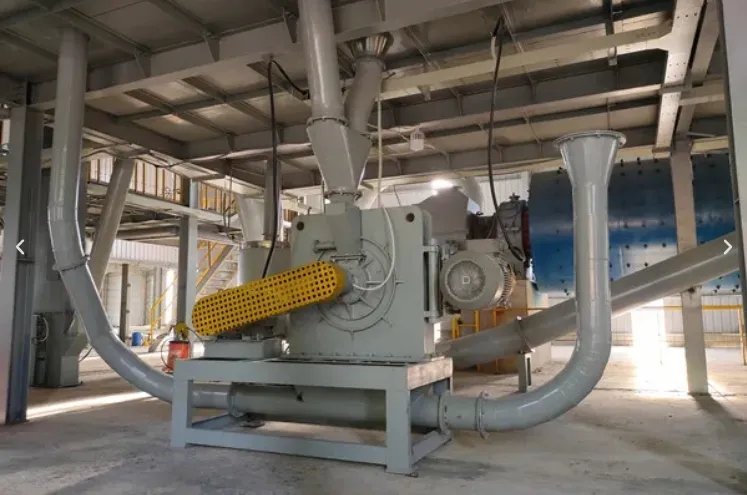
прынцып: Surface modification using UV, infrared, corona discharge, plasma irradiation, and electron beam radiation.
Прыклады:
- Low-temperature ArC₃H₆ plasma treatment of calcium carbonate improves interfacial adhesion with PP.
- Infrared irradiation grafting of polystyrene on сажа surfaces enhances dispersion in media.
- Microwave radiation and air plasma treatment of porous silica activate the surface, increase hydroxyl content, and enhance hydration.
Заключэнне
Powder modification techniques span physical, chemical, mechanochemical, intercalation, encapsulation, and high-energy approaches. Each method has its own advantages, influencing factors, and target applications. Selecting the appropriate method requires consideration of powder characteristics, desired surface properties, and the intended application. Effective powder surface modification can significantly enhance dispersion, reactivity, interface compatibility, color, gloss, stability, and overall material performance in advanced industrial and functional applications.
«Дзякуй за чытанне. Спадзяюся, мой артыкул будзе карысным. Калі ласка, пакіньце каментар ніжэй. Вы таксама можаце звязацца з прадстаўніком службы падтрымкі кліентаў Zelda онлайн, калі ў вас ёсць дадатковыя пытанні».
— Апублікавана Эмілі Чэн