
Макрафон: гуманоідныя робаты ўступаюць у “лёгкую эру”
Па меры таго, як гуманоідныя робаты ўступаюць у свой першы год масавай вытворчасці, галіна сутыкаецца з беспрэцэдэнтнымі тэхналагічнымі праблемамі і магчымасцямі. Сярод іх найбольш важнай праблемай з'яўляецца супярэчнасць паміж тэрмінам службы батарэі і эфектыўнай карыснай нагрузкай. Традыцыйныя канструкцыі гуманоідных робатаў у значнай ступені абапіраюцца на металічныя матэрыялы, такія як алюмініевыя сплавы і нержавеючая сталь. Нягледзячы на высокую трываласць гэтых металаў, іх адносна высокая шчыльнасць прыводзіць да павелічэння спажывання энергіі, што абмяжоўвае бесперапынны час працы і мабільнасць. Для дасягнення больш працяглага часу працы і больш высокай эфектыўнасці карыснай нагрузкі лёгкая канструкцыя стала асноўным патрабаваннем. Гэта не проста пытанне структурнай аптымізацыі, але і рэвалюцыйны зрух у матэрыялазнаўстве. На гэтым фоне канцэпцыя “замены сталі пластыкамі” стала непазбежнай тэндэнцыяй. Матэрыял PEEK (поліэфірэфіркетон), высокапрадукцыйны інжынерны тэрмапласт, шырока лічыцца канчатковым кандыдатам на замену алюмініевых сплаваў і нержавеючай сталі.
Чым вылучаецца PEEK? Па-першае, ён забяспечвае высокую механічную трываласць пры значным зніжэнні вагі, што непасрэдна паляпшае энергаэфектыўнасць. Па-другое, яго выдатная апрацоўваемасць дазваляе перадавым метадам вытворчасці, такім як 3D-друк, рэалізоўваць складаныя геаметрыі, якія цяжка або немагчыма дасягнуць традыцыйнай апрацоўкай металу. Што яшчэ больш важна, PEEK валодае выдатнымі комплекснымі ўласцівасцямі, падтрымліваючы стабільную прадукцыйнасць у экстрэмальных умовах, што закладвае надзейную аснову для маштабнай вытворчасці робатаў.
Асноўныя перавагі PEEK ўключаюць:
- Высокая ўдзельная трываласць (высокае суадносіны трываласці да вагі)
- Выдатная ўстойлівасць да стомленасці пры цыклічных нагрузках
- Самазмазвальныя ўласцівасці, якія памяншаюць трэнне і ліквідуюць неабходнасць у дадатковых сістэмах змазкі
- Моцны хімічны і каразійная ўстойлівасць
Дзякуючы гэтым характарыстыкам PEEK з'яўляецца ідэальным лёгкім матэрыялам для гуманоідных робатаў, што спрыяе павышэнню эфектыўнасці і падаўжэнню тэрміну службы ў галіне.
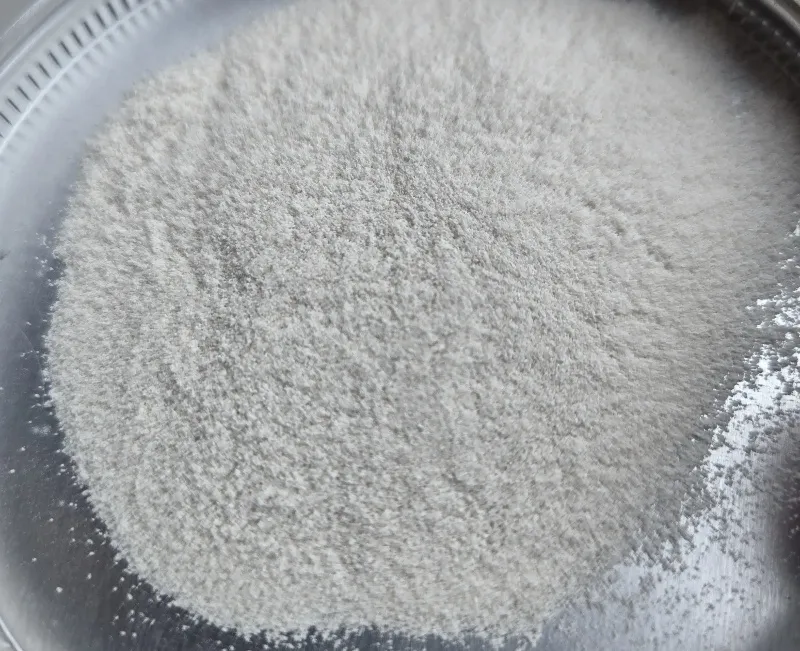
Асноўная тэхналогія: парашок PEEK — краевугольны камень дакладнай вытворчасці
Парашок PEEK з'яўляецца краевугольным каменем дакладнай вытворчасці гуманоідных робатаў, асабліва ў працэсах 3D-друку (селектыўнае лазернае спяканне, SLS) і фармавання пад ціскам. Памер часціц Размеркаванне і чысціня непасрэдна вызначаюць механічныя ўласцівасці друкаваных дэталяў, у тым ліку трываласць, ударную глейкасць і аздабленне паверхні. Высокаякасны парашок PEEK забяспечвае бездэфектныя кампаненты і значна павышае агульную надзейнасць і тэрмін службы.
1. Маршруты падрыхтоўкі парашка PEEK
Існуе некалькі тэхнічных спосабаў атрымання парашка PEEK, сярод якіх асноўным метадам з'яўляецца фізічнае драбненне. Пры гэтым падыходзе выкарыстоўваецца механічная сіла для пераўтварэння грубай смалы PEEK у парашок мікроннага памеру.
Фізічнае драбненне (асноўны шлях): ад грубага драбнення да дакладнага Струйное фрэзераванне
- Пакаёвая тэмпература або крыягеннае папярэдняе драбненне
Для папярэдняга драбнення выкарыстоўваюцца драбільныя машыны зсуўнога тыпу. Для таго, каб зрабіць PEEK далікатным пры тэмпературы ніжэй за тэмпературу шкловання, можна ўводзіць вадкі азот, што прадухіляе тэрмічнае размякчэнне, агламерацыю або дэградацыю. - Струменевае фрэзераванне для тонкага шліфавання
Як перадавая форма фізічнага драбнення, струменевыя млыны выкарыстоўваюць высакахуткасны паветраны паток для паскарэння часціц, што выклікае высакахуткасныя сутыкненні часціц унутры камеры драбнення.- Няма мелючых матэрыялаў → няма металічных забруджванняў. Памер часціц кантралюецца на мікронным узроўні. Закругленыя краі часціц паляпшаюць цякучасць.

Пашыраныя метады падрыхтоўкі
- Хімічныя ападкі
Кантраляванае асаджэнне растваральнікам дае высокасферычныя парашкі, ідэальныя для звышвысокадакладных SLS-прыкладанняў. - Распыляльная сушка
Падыходзіць для падрыхтоўкі кампазітных парашкоў, такіх як раўнамернае дыспергаванне вугляроднага валакна ў матрыцы PEEK.
2. Асноўныя тэхнічныя праблемы пры падрыхтоўцы парашка
Нягледзячы на тое, што існуе мноства спосабаў падрыхтоўкі, застаецца некалькі тэхнічных праблем:
- Кантроль размеркавання памераў часціц
Раўнамернае размеркаванне парашка мае вырашальнае значэнне ў SLS. Неаднастайныя памеры часціц могуць прывесці да няпоўнага спякання і ўнутраных пор. Патрабуецца аптымізацыя параметраў драбнення і сістэм класіфікацыі, каб гарантаваць, што больш за 80% часціц трапляюць у мэтавы дыяпазон памераў. - Аптымізацыя сферычнасці
Больш высокая сферычнасць паляпшае цякучасць парашка і павялічвае шчыльнасць дэталяў. Традыцыйнае драбненне мае тэндэнцыю да ўтварэння няправільных часціц, таму для паляпшэння марфалогіі часта спалучаюць струменевае драбненне або хімічныя метады. - Чысціня і кантроль рэшткавага ўтрымання
Рэшткавыя каталізатары і пабочныя прадукты сінтэзу PEEK могуць пагоршыць тэрмічную стабільнасць і механічныя характарыстыкі. Для дасягнення ўзроўню чысціні вышэй за 99% неабходна правесці некалькі этапаў прамывання і сушкі ў вакууме.
Сцэнарыі прымянення: ключавыя ролі PEEK у гуманоідных робатах
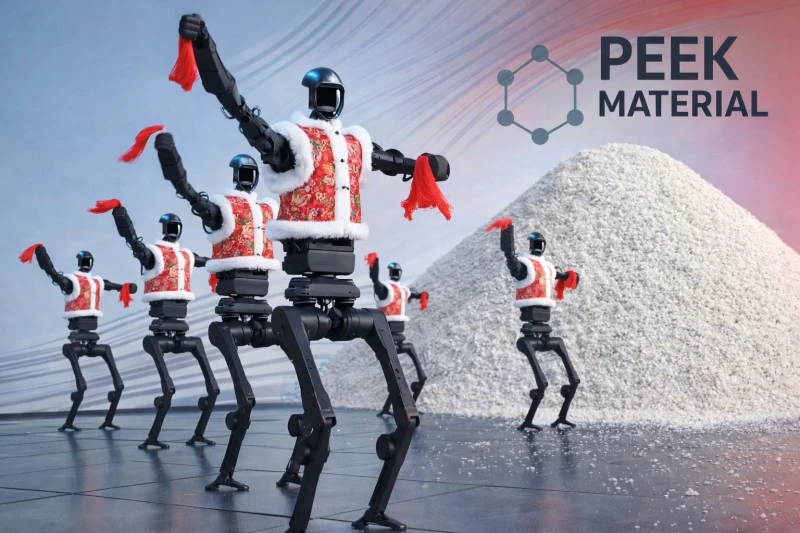
Дзякуючы сваім унікальным уласцівасцям, PEEK шырока выкарыстоўваецца ў найважнейшых кампанентах гуманоідных робатаў:
- Сумесныя модулі
Шасцярні і падшыпнікавыя сепаратары з PEEK працуюць ціха, устойлівыя да зносу і не патрабуюць змазкі, што зніжае выдаткі на тэхнічнае абслугоўванне і павышае даўгавечнасць злучэнняў. - Структурныя кампаненты шкілета
PEEK замяняе метал у лёгкіх каркасах тулава і канечнасцяў, забяспечваючы высокую трываласць пры значным зніжэнні масы, што спрыяе больш натуральнаму руху. - Электронныя субстраты для скуры
Электраізаляцыя і тэрмічная стабільнасць PEEK робяць яго ідэальным матэрыялам у якасці падкладкі для датчыкаў і гнуткай электронікі, забяспечваючы стабільную працу ў складаных умовах. - Спрытныя рукі
Складаныя дробныя структуры можна вырабляць з дапамогай 3D-друку з выкарыстаннем парашка PEEK, што дазваляе хутка ітэраваць праектаванне і высокадакладны захоп для выканання далікатных задач.
Аналіз галіновага ланцужка: ад смалы і парашка да кампанентаў
PEEK ахоплівае ўвесь прамысловы ланцужок вытворчасці гуманоідных робатаў:
- Вытворчасць сыравіны
Пастаўка ключавога прамежкавага прадукту 4,4′-дыфторбензафенону (DFBP) мае фундаментальнае значэнне. Глабальнае пашырэнне вытворчых магутнасцей паступова здымае абмежаванні на пастаўкі і стабілізуе выдаткі на вытворчасць смалы. - Перапрацоўка сярэдняга патоку
Арыентуецца на буйны парашок, дробны парашок і мадыфікаваныя кампазітныя матэрыялы. Буйны парашок далей здрабняецца ў мікрапарашок для 3D-друку, у той час як мадыфікацыя кампазітаў дадае ўзмацняльнікі для павышэння прадукцыйнасці. Супадзенне характарыстык матэрыялу PEEK з абсталяваннем для 3D-друку і ліцця пад ціскам мае важнае значэнне. - Інтэграцыя ўніз па плыні
Вядучыя вытворцы робатаў адыгрываюць дэманстрацыйную ролю. Укараненне імі кампанентаў PEEK пацвярджае магчымасць масавай вытворчасці і падштурхоўвае пастаўшчыкоў да аптымізацыі вытворчых працэсаў.
Праблемы і будучыя тэндэнцыі
Нягледзячы на шматабяцальныя перспектывы, PEEK усё яшчэ сутыкаецца з некалькімі праблемамі:
- Зніжэнне выдаткаў
Ключавым фактарам з'яўляецца маштабная вытворчасць. Пашырэнне вытворчых магутнасцей і аптымізацыя працэсаў, як чакаецца, знізяць выдаткі больш чым на 301 т/3 тонны. - Унутраная замена
Значны прагрэс быў дасягнуты ў лакалізаваных тэхналогіях сінтэзу PEEK і парашковага драбнення, што дазволіла знізіць залежнасць ад імпарту і ўмацаваць бяспеку ланцужкоў паставак. - Гібрыдызацыя матэрыялаў
Вугляродна-армаваны PEEK (CF/PEEK) мае вялікі патэнцыял для прымянення ў умовах высокіх нагрузак. Спалучаючы калянасць вугляроднага валакна з трываласцю PEEK, ён добра падыходзіць для магутных робататэхнічных маніпулятараў і іншых сітуацый з высокімі нагрузкамі.
Заключэнне
PEEK, які з'яўляецца асноўным матэрыялам, што спрыяе масаваму вытворчасці гуманоідных робатаў у першы год, паскарае пераход ад “цяжкага металу” да “лёгкага інтэлекту”. Гэтая рэвалюцыя матэрыялаў пракладае шлях да больш эфектыўнай, трывалай і ўстойлівай будучыні для гуманоідных робатаў.
«Дзякуй за чытанне. Спадзяюся, мой артыкул будзе карысным. Калі ласка, пакіньце каментар ніжэй. Вы таксама можаце звязацца з прадстаўніком службы падтрымкі кліентаў Zelda онлайн, калі ў вас ёсць дадатковыя пытанні».
— Апублікавана Эмілі Чэн